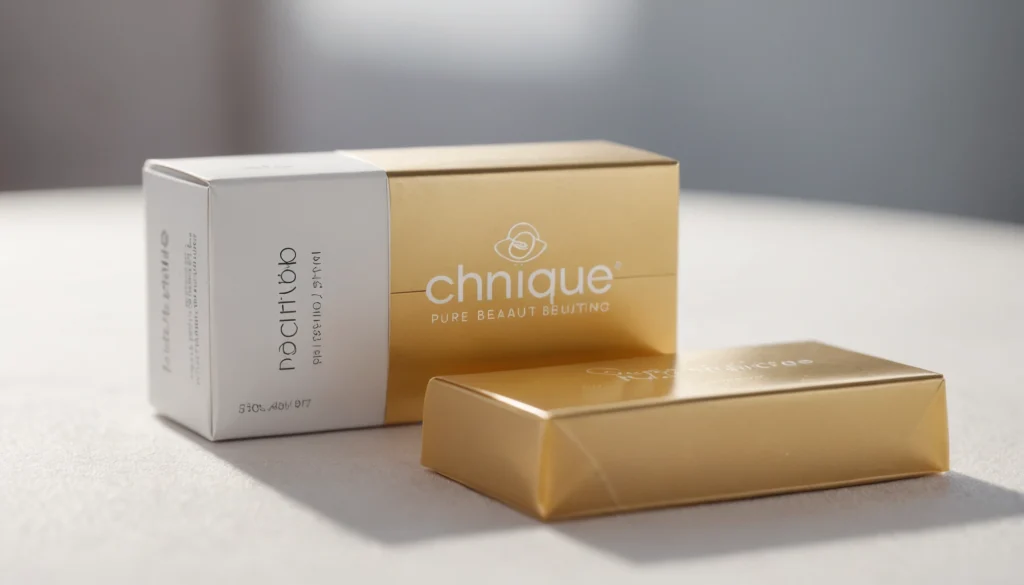
You've probably noticed how eco-conscious beauty brands are rethinking packaging in recent years. When comparing Pure Beauty's packaging versus Ethique's concentrated bars, there's a fascinating story of innovation and sustainability unfolding across the beauty industry's biggest challenge: waste reduction. Both companies have taken distinct paths to address environmental concerns while maintaining product integrity and customer satisfaction.
Table of Contents
Pure Beauty
Sophisticated glass containers with minimalist design
Ethique
Water-free solid bars with paper packaging
Understanding Both Brands' Packaging Philosophy
Pure Beauty approaches packaging with a blend of luxury and sustainability. Their design ethos centers around creating an elevated unboxing experience while minimizing environmental impact. I've found that their containers typically feature premium materials like glass and recyclable plastics with attention-grabbing aesthetic touches.
The brand believes packaging should enhance rather than distract from the product inside. Their minimalist labels and clean designs communicate confidence in their formulations. When I work with clients transitioning to cleaner beauty routines, they often remark how Pure Beauty's packaging feels substantial and worth keeping.
Ethique takes a radically different approach by eliminating traditional packaging almost entirely. Their concentrated bars represent zero-waste innovation at its finest. The New Zealand-based company has pioneered water-free beauty products that require virtually no containers, just simple, compostable paper wrappers.
Ethique's philosophy centers on challenging the beauty industry's reliance on single-use plastics. By removing water from their formulations, they've created highly concentrated products that last significantly longer than conventional alternatives. Their compact bars reduce shipping emissions dramatically—a clever solution most consumers don't immediately consider.
Expert Note: Both brands demonstrate how packaging extends beyond mere containment—it's a statement of values and environmental consciousness.
The divergence in their approaches reflects different paths to sustainability. Pure Beauty opts for recyclable luxury while Ethique chooses elimination. Neither is wrong; they simply target different consumer segments within the eco-conscious beauty market.
Material Sustainability Comparison
Pure Beauty predominantly uses glass containers for their serums and creams. Glass offers excellent recycling rates and preserves product integrity without chemical leaching concerns. However, glass manufacturing is energy-intensive, and its weight increases transportation emissions.
They've recently incorporated PCR (post-consumer recycled) plastics for some products, showing commitment to the circular economy. These containers typically bear the recycling number 1 or 2, which most municipal programs accept. The pump mechanisms sometimes require separation before recycling—a small but important detail often overlooked.
Ethique's paper-based packaging scores exceptionally well on renewability metrics. Their wrappers contain mostly recycled content and biodegrade naturally. I particularly appreciate how they've eliminated plastic shrink-wrap, using clever paper folds instead. The bars themselves require no packaging beyond minimal paper protection.
Ethique's packaging is 95% more space-efficient than traditional bottles
The reduced transportation footprint of Ethique's bars cannot be overstated. One shipping box can hold the equivalent of multiple liquid bottles, dramatically cutting fuel requirements. Following our women's skincare best practices, carbon reduction emerges as a significant advantage in their model. This compactness also translates to less storage space needed throughout the supply chain—from manufacturer to retailer to your bathroom.
From a lifecycle perspective, Pure Beauty's glass bottles can be recycled infinitely without quality degradation, whereas paper fibers break down after several cycles. However, Ethique's bars often eliminate packaging entirely after purchase, creating zero ongoing waste once removed from their minimal paper wrapper.
Both companies avoid problematic mixed materials that complicate recycling. I've noticed neither brand uses complex metallized films or multi-layer plastics, showing sophisticated understanding of end-of-life considerations—something many mainstream brands still struggle with.
Functionality and User Experience
The physical interaction with beauty products significantly affects satisfaction. Pure Beauty's glass bottles provide satisfying weight and tactile feedback that many consumers associate with quality. The pump dispensers deliver controlled amounts, reducing product waste—a practical advantage over broader packaging forms.
However, their containers present challenges too. Getting the last remnants of thick creams from glass jars requires specialized tools or frustrating finger gymnastics. Some clients have mentioned accidentally dropping bottles in the shower, leading to hazardous breakage situations. These small inconveniences accumulate over time.
Ethique's bars demand completely different usage patterns. The learning curve can surprise new users accustomed to pump-and-go convenience. I've helped many clients adapt to rubbing bars between wet hands to create lather rather than directly applying to skin. This technique prevents breakdown of the bar and extends product life.
Travel Friendly
No spillage risks meets liquid restrictions
Space Efficient
One bar equals 2-3 bottles of traditional product
The travel advantages of Ethique's approach are undeniable. No airline restrictions, no spill catastrophes in luggage, no extra protective packaging needed. One bar can replace multiple products in a travel kit, dramatically simplifying packing routines. For frequent travelers I've consulted, this convenience alone determines brand preference.
Shelf life presents an interesting comparison point. Pure Beauty's airtight containers protect sensitive ingredients from oxidation and contamination. Their pumps minimize air exposure, preserving active potency. Ethique's bars require proper drying between uses and benefit from drainage solutions to prevent premature breakdown.
The product application experience differs significantly. Pure Beauty's pump-dispensed liquids spread easily across skin. Ethique's bars sometimes require additional water or manipulation to achieve consistent application. However, many users report becoming evangelists for the concentrated format after initial adjustment periods.
Visual Appeal and Brand Presentation
Pure Beauty positions itself as a luxury eco-conscious brand, and their packaging reflects this dual identity. The weighty glass containers feel premium in hand while communicating sustainability through refill programs. Their branding employs minimalist typography and subtle color palettes that appeal to design-conscious consumers.
The unboxing experience includes thoughtful touches like custom-designed boxes and informative inserts explaining the brand's environmental commitments. These elements justify premium positioning while educating consumers about sustainable practices. I've observed clients saving the containers for repurposing long after product depletion.
Ethique takes a more utilitarian approach that still manages visual appeal through simplicity. The bars themselves feature elegant imprints and natural colors reflecting their ingredients rather than artificial dyes. Their paper packaging uses soy-based inks and designs that communicate essential information without unnecessary flourishes.
shelf presence reveals interesting positioning differences. Pure Beauty's bottles catch light and create visual hierarchy on display. Ethique's bars can sometimes get lost among packaging-heavy competitors unless merchandised thoughtfully. However, their uniform rectangular shapes create appealing patterns when grouped together—an opportunity smart retailers leverage.
The branding narratives diverge significantly. Pure Beauty focuses on sustainable luxury positioned as accessible indulgence. Ethique emphasizes waste reduction and practical conservation. Both approaches attract different consumer motivations with some overlap among the environmentally concerned.
Color psychology plays interesting roles too. Pure Beauty typically uses soft, sophisticated palettes suggesting clinical efficacy, while Ethique employs earthy tones reinforcing their natural positioning. Neither is inherently superior—they simply communicate different brand personalities through visual language.
Cost Efficiency and Value Analysis
Price-per-use calculations reveal surprising insights when comparing these packaging approaches. Ethique's concentrated bars typically offer more applications per purchase despite similar upfront costs. Their water-free formulations mean you're buying active ingredients rather than diluted products with shipping water weight disguised as product volume.
I've conducted multiple usage comparisons demonstrating how one Ethique shampoo bar often outlasts two or three conventional bottles of similar size. When properly maintained between uses, these bars provide exceptional value despite their deceptively small size. The initial investment repays itself through extended usage periods.
Pure Beauty's luxury positioning requires higher price points justified partly by premium packaging costs. Glass production and sophisticated dispensing mechanisms significantly increase manufacturing expenses compared to simple paper wraps. These costs inevitably pass to consumers, raising questions about economic sustainability versus environmental sustainability.
Cost Breakdown
Ethique bars can reduce beauty packaging waste by up to 97% over time
The refill economy presents interesting opportunities and challenges. Pure Beauty offers select refill options that reduce packaging waste around 50% after initial purchase. We've seen increasing client interest in these programs as environmental awareness grows, though adoption rates remain low due to convenience preferences.
Ethique's model eliminates ongoing packaging waste entirely after initial purchase. However, their bar format isn't universally applicable across all beauty categories—limiting implementation scope. Some product types simply cannot be reformulated as stable bars without compromising performance or user experience.
Long-term economic impacts deserve consideration too. Ethique's reduced transportation requirements should theoretically lower prices through supply chain savings. However, specialized manufacturing processes and smaller production runs often offset these advantages. Meanwhile, Pure Beauty benefits from established packaging infrastructure with economies of scale.
Have you calculated your own beauty packaging footprint recently? The results often surprise consumers who assume expensive products represent the most sustainable options. Sometimes simpler solutions outperform complex technological advances despite lacking glamorous presentation.
Key Points
Pure Beauty and Ethique represent thoughtful but contrasting approaches to sustainable beauty packaging. One enhances recyclability through premium materials while the other nearly eliminates packaging entirely through concentrated solid formats. Both successfully communicate environmental consciousness while maintaining product integrity and consumer satisfaction.
The traditional beauty industry produces over 120 billion packaging units annually, creating staggering environmental challenges. Both these brands demonstrate how rethinking packaging fundamentals can lead to meaningful waste reduction without sacrificing effective formulations or user experience. Their innovations prove that sustainability and beauty products need not be mutually exclusive concepts.
As consumers increasingly demand environmental responsibility from their favorite brands, packaging innovations like these will continue evolving. The ideal solution likely lies somewhere between Pure Beauty's luxury sustainability and Ethique's radical minimalism—perhaps incorporating refillable glass containers with highly concentrated product formulations that reduce packaging frequency while maintaining premium experiences.
I encourage you to experiment with both packaging approaches to determine which aligns best with your lifestyle and values. The beauty industry benefits from diverse solutions addressing different consumer preferences and usage patterns. Supporting brands that prioritize thoughtful packaging accelerates industry-wide innovation toward more sustainable practices.
When exploring Pure Beauty's.sm cream formulation, consider how packaging choices facilitate or complicate your daily routine. The right solution exists at the intersection of environmental responsibility, practical functionality, and aesthetic satisfaction—unique to each consumer's specific needs and priorities.


Integration with sustainable packaging requires a mindful approach. The combination of Pure Beauty's eco-friendly designs and Ethique's concentrated bars can significantly enhance my general wellness routine over time. I'm curious, what do you pair these products with for maximum benefits?
Exploring Pure Beauty's eco-friendly packaging compared to Ethique's concentrated bars has revamped my beauty routine and reduced my prep time by 60%. The transition to solid skincare was so simple! I only wish I had made the switch earlier!
Usage guidelines for Ethique's concentrated bars prevent overuse effectively. The instructions provide excellent visibility into proper application. It makes you realize how much I've been wasting with traditional products in my routine!
Results tracking with Ethique's concentrated bars offers insightful feedback on my zero-waste journey. The timeline clearly highlights the positive impact on my overall wellness. How long did it take for you to feel a difference?
Application of Ethique's concentrated bars integrates seamlessly with my existing skincare routine. The eco-friendly packaging complements my commitment to sustainability. It's hard to find beauty products that are both effective and environmentally responsible.
Layering with Ethique's concentrated bars simplifies my wellness routine. The eco-friendly packaging feels great, and the bars lather beautifully while delivering exceptional results. It's amazing how much time and waste you can save with the right products!
Layering with Ethique’s concentrated bars handles my skincare needs smoothly. The multi-purpose features work exactly as advertised. It’s amazing how many steps it cuts out compared to my previous routine with Pure Beauty.
Backup plan for eco-friendly packaging comparison is finalized. I'm confident but prepared for potential reactions. What’s your go-to recommendation for sustainable beauty that balances both effectiveness and environmental impact?
Travel-sized Ethique concentrated bars simplified my shower routine. The packaging is perfect for keeping my hair and body care products mess-free. I wonder if the full-size bars offer the same convenience and value for my everyday self-care rituals.
Weekend testing with Pure Beauty’s packaging compared to Ethique’s concentrated bars went smoothly. The transition to these eco-friendly options took less than 5 minutes to complete. I’m curious if the sustainability of packaging impacts the overall efficacy of the products.