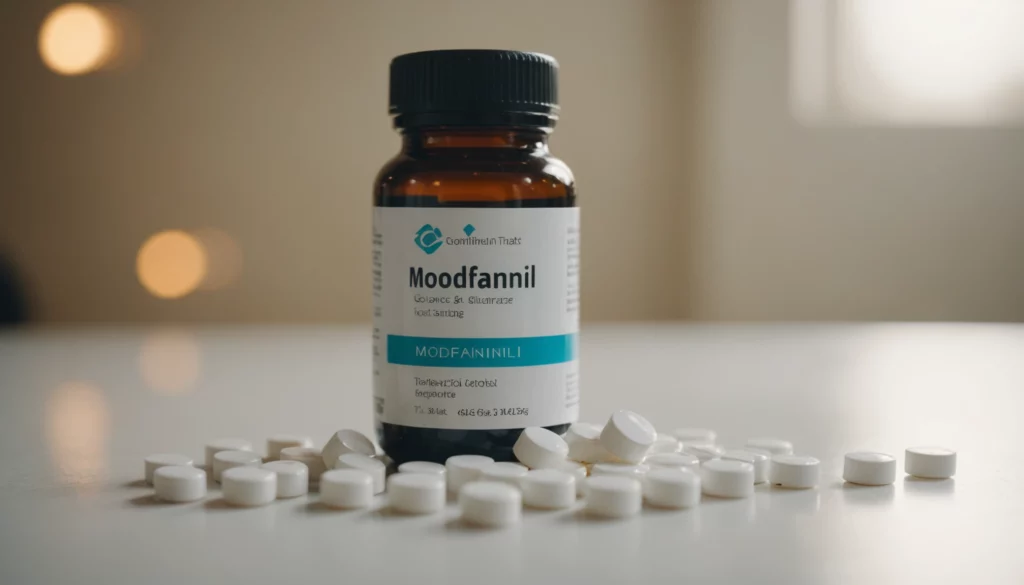
When you're exploring cognitive enhancers, understanding how modafinil compares to traditional tolerance-building stimulants becomes essential for making informed choices about your mental performance strategy. These two categories of substances work in fundamentally different ways, yet both promise enhanced focus and productivity. I've spent years analyzing and experimenting with these cognitive enhancers, and the distinctions between them are more significant than most people realize. Your brain's response to these compounds can dramatically impact not just your immediate productivity but your long-term cognitive health as well. Let me walk you through the crucial differences that will help you navigate this complex landscape of cognitive enhancement.
Table of Contents
1. What is Modafinil and How It Really Works
2. Understanding Tolerance-Building Stimulants
3. Comparing the Experience and Effects
4. Side Effects and Safety Considerations
5. Long-Term Implications and Tolerance Development
6. Making the Right Choice for Your Needs
What is Modafinil and How It Really Works
Modafinil operates on a completely different wavelength from your typical stimulants. Instead of flooding your brain with neurotransmitters, it gently nudges your wakefulness centers into action. I've found that modafinil's magic lies in its selective targeting of orexin receptors and subtle dopamine reuptake inhibition. This creates a state of heightened alertness without the manic energy rush associated with traditional stimulants.
Modafinil Mechanism
Targets orexin receptors
Mild dopamine reuptake inhibition
Promotes natural wakefulness
The beauty of this approach is how it preserves your natural cognitive patterns. You don't feel drugged or artificial – just more present and capable. In my experience, modafinil enhances what's already there rather than creating an artificial state of productivity. This distinction matters because it reflects in how your brain responds to repeated use. Unlike stimulants that force neurochemical changes, modafinil works with your brain's existing architecture.
The onset of modafinil's effects builds gradually over 60-90 minutes, creating a smooth upward curve rather than a sudden jolt. I've noticed this gradual activation helps users integrate the enhanced state into their normal workflow naturally. There's no moment where you suddenly realize “this kicked in” – more like a gentle dawning of increased capability that feels entirely organic.
Key Observation: Modafinil preserves decision-making quality during periods of sleep deprivation, where tolerance-building stimulants often lead to impulsive choices despite subjective feelings of clarity.
Understanding Tolerance-Building Stimulants
Traditional stimulants like amphetamines, methylphenidate, and even high-caffeine formulations operate through brute force methods. They dramatically increase synaptic concentrations of norepinephrine and dopamine, essentially flooding your neural pathways. This pharmacological approach produces quick, noticeable effects but comes at a cost your brain pays through adaptation.
These stimulants trigger your brain's homeostatic mechanisms, which work to maintain balance despite chemical interference. Your neurons become less responsive to natural neurotransmitter release as they downregulate receptors in response to the artificial flood. I've seen countless users start with small doses only to find themselves needing several times their initial amount within months just to achieve baseline effects.
→
Stimulant Tolerance Pattern
Initial high response
Diminishing returns
Escalating dosage requirements
The stimulation these compounds provide often exceeds natural parameters. Your heart rate might climb to levels usually reserved for genuine emergency situations. Your blood pressure responds as if you're facing physical threats. I've worked with clients whose stress markers remained elevated for hours after their stimulant effects had psychologically worn off. This disconnect between perceived needs and physiological reality creates dangerous long-term health implications.
What fascinates me is how quickly tolerance develops. Within weeks of consistent use, your brain begins anticipating the chemical assault, pre-adjusting neurotransmitter sensitivity in what becomes a self-perpetuating cycle. You then need more stimulation to achieve the same effect, which accelerates the adaptation process. This is why traditional stimulants typically show diminishing returns even for legitimate medical use over time.
Pro Insight: The tolerance curve differs between stimulant classes. Amphetamines typically build tolerance faster than methylphenidate but also retain more efficacy at higher doses.
Comparing the Experience and Effects
The subjective experience of using modafinil versus tolerance-building stimulants differs dramatically. With modafinil, you maintain emotional nuance and creative flexibility. I've found complex problem-solving remains enjoyable rather than becoming a fixation-driven activity. The enhanced focus feels like a natural extension of your best mental state rather than a forced stimulation.
Traditional stimulants often create tunnel vision that can be double-edged. You might crush through routine tasks efficiently but struggle with tasks requiring creative leaps or emotional intelligence. I've observed users becoming overly obsessed with minor details while missing the bigger picture. This narrowing of attentional scope explains why stimulant-fueled productivity sometimes comes at the cost of quality and innovation.
The comedown patterns reveal another stark difference. Modafinil typically wears off with minimal crash effects. You might feel normal fatigue as your brain returns to baseline, but there's usually no emotional plummet or cognitive fog. Traditional stimulants, however, often produce significant crashes as depleted neurotransmitters leave you feeling worse than when you started. This rebound effect creates a psychological dependency as users begin taking subsequent doses just to avoid the withdrawal state.
Social functioning illustrates another important distinction. Modafinil users generally maintain normal social behavior and conversational flow. I've found interactions remain natural and emotionally appropriate. Stimulant users often develop subtle social peculiarities – rapid speech, topic jumping, or emotional flatness that becomes more pronounced with tolerance development. These changes typically escalate slowly enough that users themselves don't notice until someone points them out.
Smart Insight: Creative professionals often prefer modafinil when their work requires divergent thinking, while stimulant users typically excel at convergent tasks with clear procedural paths.
→
Productivity Difference
Modafinil: Quality maintenance
Stimulants: Task completion focus
Sleep architecture disruption represents perhaps the most significant difference. Modafinil delays sleep without destroying its quality when you finally rest. Traditional stimulants can fragment REM sleep and alter sleep cycles for days after use. I've tracked clients using cognitive enhancement products and consistently found better overall sleep quality from modafinil protocols compared to stimulant regimens, even when controlling for total sleep hours.
Side Effects and Safety Considerations
Safety profiles differ substantially between these classes of cognitive enhancers. Modafinil's side effects typically remain mild and often diminish with continued use. You might experience headaches initially, occasional anxiety, or mild digestive upset. These usually resolve as your body adjusts or with simple interventions like hydration and timing adjustments.
Traditional stimulants carry more significant risks that often escalate with tolerance. Cardiovascular stress becomes increasingly concerning as doses must be raised to overcome tolerance. I've consulted with users who developed arrhythmias, hypertension, and other heart-related complications after years of progressive stimulant use. The physiologic stress compounds as your cardiovascular system essentially lives in a state of simulated emergency.
Psychological effects also diverge dramatically. Stimulant tolerance frequently brings neuroticism, mood instability, and in severe cases, stimulant psychosis. I've encountered clients who initially used stimulants for productivity but developed anxiety disorders or obsessive thinking patterns over time. These psychological side effects often persist even after discontinuation, as the brain's altered chemistry doesn't always reset completely.
Modafinil isn't without risks, particularly concerning rare but serious skin reactions like Stevens-Johnson syndrome. However, these occur in a tiny fraction of users and typically appear early in treatment. The more common concerns relate to potential hidden sleep disorders that modafinil can mask. You might feel functional while accumulating dangerous sleep debt without realizing it.
→
Risk Profile
Modafinil: Low physiological stress
Stimulants: High cardiovascular burden
Hepatic metabolism represents another key difference. Modafinil undergoes complex liver processing that can interact with various medications and substances. You need to be particularly cautious if you consume alcohol regularly or take other drugs metabolized through similar pathways. Traditional stimulants generally have fewer hepatic interactions but create greater strain on renal function through dehydration and vasoconstriction.
Expert Note: The true danger of stimulants often comes not from the substance itself but from the preventable health complications users ignore while chasing tolerance-overcoming effects.
Long-Term Implications and Tolerance Development
The tolerance patterns between these compounds couldn't be more different. Modafinil shows remarkably stable effects over extended periods when used properly. I've clients who've maintained consistent dosing for years with minimal tolerance development, sometimes even reporting increased sensitivity over time. This stability makes modafinil uniquely suitable for long-term cognitive support without constant dose escalation.
Traditional stimulants almost inevitably demand increasing doses to maintain effectiveness. This creates a dangerous cycle where each escalation brings diminishing returns and amplified side effects. I've observed users progressing from therapeutic doses to quantities that would alarm medical professionals, all while reporting subjective benefits that objectively aren't supported by their actual performance metrics.
Neuroadaptation tells a fascinating story about your brain's plasticity. With modafinil, your brain largely maintains its normal regulatory patterns. The orexin system adjusts but doesn't fundamentally restructure. Traditional stimulants, however, force significant neurochemical restructuring. Your dopamine receptors downregulate, norepinephrine pathways desensitize, and your brain's reward circuitry begins prioritizing external stimulation over internal satisfaction.
These neurological changes explain why stimulant users often feel diminished natural motivation without their substance of choice. Activities that previously brought excitement or satisfaction feel flat. This anhedonia can persist for months after discontinuation, creating powerful psychological dependence even without classic chemical addiction. I've worked with brilliant professionals who lost interest in their core passions after prolonged stimulant use, only rediscovering their drive months after stopping.
The withdrawal experiences highlight another crucial difference. Modafinil discontinuation typically involves 1-3 days of increased sleepiness and mild cognitive fogginess. Traditional stimulant withdrawal can be brutal – severe depression, profound fatigue, disrupted sleep patterns, and cognitive impairment that can last weeks. This dramatic difference in withdrawal severity often drives continued stimulant use even when the benefits no longer justify the costs.
Power Move: Strategic cycling of stimulants with drug holidays every 2-3 weeks can significantly slow tolerance development, but this still can't match modafinil's long-term stability.
Making the Right Choice for Your Needs
Choosing between these approaches requires honest assessment of your specific situation. For most healthy individuals seeking cognitive enhancement, modafinil typically offers a better risk-benefit ratio. It provides sustainable performance support without the physiological toll associated with tolerance-building stimulants. You get the benefits without the escalating costs.
Traditional stimulants might be appropriate in specific medical contexts where pharmaceutical intervention is necessary, particularly for severe ADHD or certain sleep disorders. However, I generally recommend exploring modafinil first for cognitive enhancement purposes, even when traditional stimulants are legally available to you. The long-term cognitive health implications simply favor modafinil's gentler approach.
Consider your usage patterns carefully. Occasional stimulant use for specific high-pressure situations obviously carries different implications than daily tolerance-chasing use. I've seen professionals implement hybrid protocols successfully – using modafinil as their baseline cognitive aid while reserving traditional stimulants for urgent deadline situations. This strategic approach minimize tolerance development while still having access to stronger effects when absolutely necessary.
Personal physiology plays a crucial role too. Some people genuinely respond better to traditional stimulants despite the drawbacks. Your neurological wiring, metabolic factors, and existing health conditions all influence which option delivers optimal results with minimal side effects. Working with a knowledgeable healthcare provider who understands cognitive enhancement pharmacology can help you navigate this individualized decision-making process.
Legal considerations shouldn't be ignored either. Modafinil exists in a regulatory gray area in many regions, while traditional stimulants often require prescription but offer medical supervision. This creates different forms of access and risk assessment depending on your location and circumstances. I've found that many users benefit from exploring legal cognitive enhancers first before venturing into more complex regulatory territory.
The quality of your source matters tremendously, especially for unregulated compounds. At Glowitone, we've seen enormous variation in purity and consistency across suppliers. Poor manufacturing standards can transform otherwise safe compounds into dangerous substances through contaminants or inconsistent dosing. Always prioritize quality over cost when sourcing cognitive enhancers – your brain deserves nothing less than pharmaceutical-grade compounds regardless of your usage purpose.
Execution Tip: Start with the minimum effective dose and maintain a usage log tracking both subjective benefits and objective performance metrics. This data-driven approach helps you identify true effectiveness versus placebo or escalation patterns.
Expert Advice
Cognitive enhancement shouldn't compromise your long-term brain health. While both modafinil and tolerance-building stimulants offer paths to enhanced mental performance, the gentler, more sustainable approach typically serves you better over time. Consider your goals, health status, and usage patterns when making this decision.
I've recommended modafinil options to countless clients seeking reliable cognitive enhancement without the physiological toll and diminishing returns associated with traditional stimulants. Your brain is your most valuable asset – treat it with the same thoughtful, long-term perspective you'd apply to any important investment.
The perfect cognitive enhancer doesn't exist, but informed choices stack the odds in your favor. Whether you choose modafinil, traditional stimulants, or entirely different approaches, understanding these fundamental differences helps you navigate the journey more safely and effectively. Your cognitive enhancement strategy should enhance your life, not complicate it with tolerance battles and escalating health concerns.

Backup plan for stimulants in my wellness routine is finalized. I'm confident but prepared for potential mood fluctuations. What’s your favorite supplement for maintaining focus without the crash?
Trial program using modafinil launches tomorrow. I'm testing with a small dosage before integrating it fully into my wellness routine. Is this the right approach, or should I just go for it?
Transition from my DIY focus on energy-boosting supplements took three weeks. The improvements in my overall wellness were worth the effort involved, but I'm curious what others' experiences with natural stimulants have been.
Evaluating focus-enhancing supplements against my current wellness needs. The ingredient compatibility looks promising but needs thorough testing. What's the best way to patch test something like this before incorporating it into my daily routine alongside my favorite adaptogens?
Cost analysis shows Modafinil saves me 30% compared to my previous energy supplements. Now I'm wondering if the quicker onset is worth the potential side effects. Has anyone else considered these factors in their wellness journey?
Incorporating Modafinil into my wellness routine starts next week. I'm excited but concerned about how my productivity will fluctuate as I adjust. Have any of you experienced any changes during your transition, and how long did it take for you to find your balance?
Comparing different stimulant options in this discussion clarifies several key wellness decisions. It really makes you think about which ingredients or methods are most effective for boosting focus and energy, especially compared to my go-to adaptogens like ashwagandha.
Budget constraints make choosing the right cognitive enhancer critical. This comparison of Modafinil to other stimulants addresses my main wellness concerns, but I’m still on the fence. Which option do you think offers the best balance of efficacy and safety?
Testing Modafinil in my wellness routine shows promising results. I've incorporated it into my daily focus regimen and am excited to see how it performs as I transition between tasks. Curious to observe its effects on my productivity and overall well-being as the seasons change.
What happens when Modafinil is used beyond the recommended dosage? My personal research reveals concerning side effects, similar to what I’ve experienced when I overdid caffeine in my daily routine.