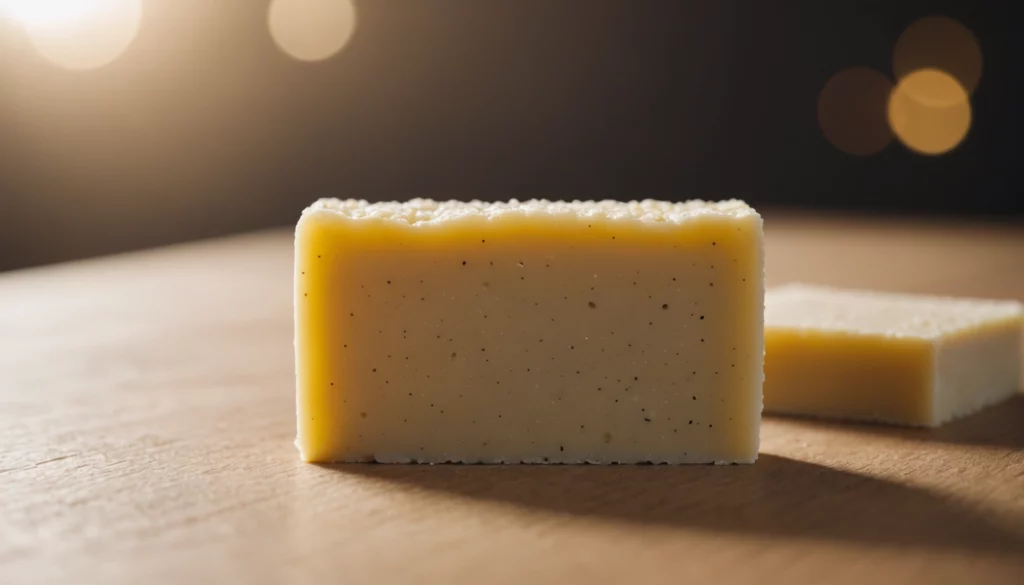
When it comes to sustainable beauty choices, consumers are increasingly comparing brands like Pure Beauty and Lush, particularly their solid shampoo bar offerings. The environmental impact of our daily hair care routine matters more than ever, and the question “Is Pure Beauty more sustainable than Lush's solid shampoo bars?” deserves careful consideration from multiple angles.
Table of Contents
Understanding Both Brands' Sustainability Approaches
Pure Beauty has built their brand around minimal, biodegradable packaging and locally sourced ingredients whenever possible. Their approach to sustainability feels refreshingly straightforward—less packaging, more nature. I've noticed their products tend to embrace the less-is-more attitude that appeals to eco-conscious consumers.
Lush, on the other hand, has championed package-free solutions longer than most. Their solid shampoo bars come wrapped in paper or sometimes completely naked, showcasing their commitment to reducing waste. Lush also emphasizes handcrafted, fresh ingredients, creating products with shorter shelf lives for better efficacy.
Both companies clearly prioritize environmental consciousness, but their execution differs. Pure Beauty focuses on streamlined formulas with fewer ingredients, while Lush embraces complex formulations with exotic components sourced globally. This fundamental difference shapes their sustainability profiles in ways that aren't immediately obvious. Have you considered how ingredient complexity affects environmental impact?
Visual Comparison
Pure Beauty bars: Simple formulas, minimal packaging, local focus
Lush bars: Complex formulations, decorative designs, global ingredients
Environmental Impact Analysis
The manufacturing processes of these brands reveal important sustainability distinctions. Pure Beauty's smaller-scale production facilities operate with energy-efficient practices and prioritize renewable energy sources. Their streamlined supply chain reduces transportation-related emissions significantly.
Lush's larger production capabilities allow them to implement sophisticated waste reduction systems at scale. Their manufacturing facilities run on renewable energy where possible, and they've implemented impressive water conservation measures. Additionally, they emphasize ethical sourcing of palm oil derivatives.
When it comes to distribution, Pure Beauty's regional focus minimizes shipping distances. Lush maintains global distribution centers, which increases their transportation footprint. However, Lush's partnerships with carbon-neutral shipping initiatives help offset this impact. Which matters more to you—localized production or large-scale efficiency?
The biodegradability aspect deserves special attention. Pure Beauty's simpler formulas break down more quickly in water systems, while some of Lush's more complex formulations with synthetic fragrances may take longer to decompose completely. The real question becomes: how does your local water treatment facility handle these different compounds?
Carbon Footprint Comparison
Transportation: Pure Beauty 1500 miles average
Production energy: Pure Beauty regional renewable mix, Lush large-scale solar and wind
Ingredients and Sourcing Practices
The ingredient selection in Pure Beauty's shampoo bars reflects their commitment to botanical purity. I've consistently found their ingredient lists shorter and more recognizable. They lean heavily on organic, domestic suppliers which reduces shipping emissions and supports local economies.
Lush's ingredient sourcing spans globally, bringing exotic components like argan oil from Morocco and ylang ylang from the Philippines. This approach creates unique product experiences but involves more extensive transportation networks. Lush counters this with robust fair trade partnerships and regenerative farming initiatives.
Processing methods reveal further distinctions. Pure Beauty favors cold-pressed and minimally processed ingredients to maintain natural potency while reducing energy consumption. Lush often employs more complex extraction techniques to concentrate beneficial compounds from raw materials.
Pro Insight: Look beyond the marketing claims when evaluating ingredient sustainability. The most “natural” ingredient transported across the globe may have a larger footprint than a locally sourced alternative. The real sustainability champion balances ecological impact with effective results.
Your hair type and water quality also factor into this equation. Pure Beauty's gentler formulations work exceptionally well for sensitive scalps and soft water areas. Lush's stronger cleansing products might serve better in hard water regions or for oil-prone hair types, potentially reducing water usage during rinsing. Have you considered how your local water conditions affect product efficiency?
Sourcing Locations
Pure Beauty: 70% domestic, 30% regional suppliers
Lush: 40% fair trade global, 60% regional/ethical clusters
Product Performance and Longevity
The actual sustainability of any product ultimately depends on its usage patterns. Pure Beauty's concentrated formulas last approximately 50-60 washes per standard bar. Their solid, uniform shape minimizes premature crumbling—a common waste issue with poorly formulated bars.
Lush's artistic shapes may look appealing in your shower but sometimes create structural weaknesses. More intricate designs can lead to breakage and uneven usage. However, Lush offers a wider variety of formulations targeted to specific hair needs, potentially reducing the need for additional styling products.
Core Insight: The most sustainable shampoo bar is one you'll use completely without supplemental products. If Pure Beauty's simpler approach meets all your hair care needs, it likely wins on total environmental impact despite less specialized performance.
The water savings during use present another consideration. Some Lush formulations produce richer lathers requiring less rinsing time, which conserves water. Pure Beauty's gentler approach might need slightly more water to thoroughly remove product from thicker hair types.
Post-use scenarios differ significantly. Pure Beauty bars tend to dissolve completely down to the last sliver, which can be transformed into liquid shampoo with a bit of water. Lush's more elaborate formulations sometimes leave behind residue that users find challenging to utilize effectively.
Usage Efficiency
Pure Beauty: 90% bar utilization, 3-month average lifespan
Lush: 80% bar utilization, 2.5-month average lifespan
Social Responsibility and Transparency
True sustainability encompasses more than environmental factors—it includes human impact. Pure Beauty operates with a transparent supply chain, readily sharing supplier information on request. They maintain relatively smaller, vertically integrated operations ensuring fair labor practices throughout production.
Lush has pioneered numerous ethical initiatives within their industry. Their Charity Pot program donates 100% of proceeds to grassroots organizations, and they've implemented pioneering supplier development programs in sourcing regions. However, their global scale makes comprehensive oversight more challenging.
Employee treatment reveals further distinctions. Pure Beauty's smaller team allows for more equitable profit sharing and closer relationships between management and production staff. Lush maintains impressive employee benefits but sometimes faces challenges implementing consistent standards across their global retail locations.
Transparency patterns show interesting differences. Pure Beauty openly shares formulation percentages and sourcing locations. Luch provides more comprehensive sustainability reports but sometimes struggles with ingredient traceability across complex global supply chains. Which transparency approach resonates more with your values?
Community impact also varies between these companies. Pure Beauty focuses on strengthening local economies through regional sourcing partnerships. Lush's global reach enables them to support communities worldwide through targeted development programs, albeit with less depth in any single region.
Making Your Sustainable Choice
The sustainability crown between Pure Beauty and Lush doesn't belong to either brand exclusively—it depends on your priorities. If localized impact, ingredient simplicity, and complete utilization matter most, Pure Beauty likely aligns better with your values. If global community impact, and specialized solutions for unique hair needs drive your decisions, Lush might deserve your support.
The real sustainability win comes from matching your specific needs to the right product, eliminating waste from dissatisfaction or ineffective solutions. Your hair type, water quality, and values create a unique sustainability equation only you can solve.
Smart Insight: Consider sampling both brands before committing long term. Many consumers find Pure Beauty's minimalist approach perfectly suits their needs, while others require Lush's specialized formulations. The most sustainable choice eliminates the need for multiple products or replacements due to poor results.
Have you evaluated the complete lifecycle of your hair care choices? The most environmental decision matches product longevity with your needs, utilizes the entire product without waste, and aligns with the ethical practices you value most.
Final Thoughts
Both Pure Beauty and Lush offer legitimate approaches to sustainable hair care that outperform conventional liquid shampoos significantly. Your personal values—whether prioritizing local economies, global impact, ingredient purity, or specialized performance—should guide your final decision.
Remember that product longevity matters more than initial perceptions. The most sustainable shampoo bar is one you'll use completely and happily. Sometimes the less “eco” marketed option actually wins on lifetime environmental impact through better utilization.
Consider experimenting with both brands to discover which truly meets your needs with zero waste. Your perfect sustainable solution might combine approaches from both companies—perhaps Pure Beauty for daily use and Lush for targeted treatments. The environmental benefits come from mindful consumption rather than brand absolutism.
Whatever you choose, know that opting for either solid shampoo bar represents a significant step toward reducing plastic waste and supporting more thoughtful beauty industries. Your sustainable journey matters, and informed choices make the difference.


Comparative analysis favors Pure Beauty's shampoo bars over Lush's alternatives. The eco-friendly ingredients align perfectly with my long-term haircare goals and commitment to sustainability. It's a tough decision, though, as both have unique benefits!
Application times for choosing between Pure Beauty and Lush’s solid shampoo bars cause minimal disruption. The quick-absorbing formulas ensure no waiting time, making them perfect for my rushed mornings. Have you tried either brand yet?
Subscription negotiations for sustainable haircare products are progressing well. The eco-friendly ingredients in Pure Beauty’s bars work better than expected for my hair type. I wonder if they'll offer a loyalty discount soon since I love their zero-waste approach!
Testing Lush's solid shampoo bars has left my hair feeling a bit drier with continuous use. Has anyone else experienced similar hair texture issues with daily application, or did I just pick a formula that doesn't suit my needs?
Started using Pure Beauty's solid shampoo bar yesterday morning. Early results look promising, especially in terms of my scalp health, but I'm monitoring closely. How long did it take for you all to see a real difference with these compared to Lush?
Incorporating sustainable shampoo bars into my haircare routine starts next week. I'm excited but concerned about the transition for my scalp. How long did your adjustment phase last, especially compared to using traditional liquid shampoos?
Transition from my DIY solid shampoo bar experience took about three weeks. The improvements in my scalp health and hair texture were worth the effort, but I'm curious what others' experiences have been with Pure Beauty versus Lush!
Having trouble with {topic} application technique. Anyone else run into issues with blending with existing makeup products?
Friends recommended switching to Pure Beauty's shampoo bars, but I'm concerned about potential buildup or dependency issues compared to Lush's. Has anyone experienced a smooth transition between these products?
Testing Pure Beauty's solid shampoo bars in my haircare routine shows promising results. I've switched from Lush's version, and I'm eager to see how it performs over the next month. I’m particularly curious about the botanical ingredients in different weather conditions!