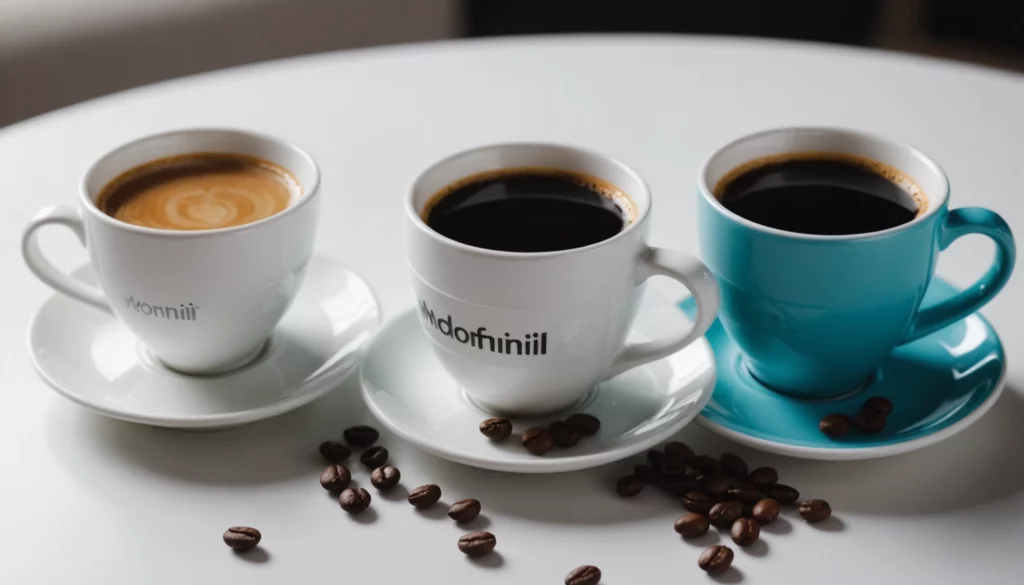
We've all been there – staring at a computer screen at 2 AM, wondering whether to reach for another cup of coffee or consider something stronger like Modafinil to keep the productivity flowing. The question of Modafinil vs Coffee has become increasingly relevant in our hustle-oriented world where mental alertness is currency. Understanding which option truly keeps you alert longer requires diving deep into how these substances work, their effects, and their implications for your cognitive performance.
As someone who has spent years exploring cognitive enhancement options, I've seen countless professionals struggle with this exact dilemma. The decision between your morning brew and prescription wakefulness medication isn't just about staying awake – it's about optimizing your mental state for peak performance.
Table of Contents
The Basics: Understanding Your Alertness Options
Coffee needs little introduction. It's the world's most popular psychoactive substance, consumed by billions daily. What you might not know is that coffee contains over 1000 active compounds, with caffeine being just the most famous one. These compounds work together to create the familiar jolt we associate with our morning ritual.
Modafinil, on the other hand, is a prescription medication originally developed to treat narcolepsy and other sleep disorders. It has gained popularity among students, entrepreneurs, and shift workers for its impressive wakefulness-promoting properties. Unlike coffee's millions of years of use history, Modafinil is relatively new to the scene, approved for medical use only a few decades ago.
Coffee
Natural plant-derived stimulant
Centuries of documented use
Widely available and socially accepted
Effects within 15-45 minutes
Modafinil
Prescription wakefulness agent
Decades of clinical research
Targeted cognitive enhancement
Effects within 30-60 minutes
The fundamental difference lies in their classification and intended use. Coffee is a dietary staple that happens to have stimulating properties, while Modafinil is specifically engineered to promote wakefulness and enhance cognitive function. This distinction is crucial when considering which option might work better for your specific needs.
Have you ever considered what you're really seeking when you reach for an alertness aids? Is it just about staying awake, or is it about mental clarity, focus, and productivity? Your answer to this question might help guide your choice between these very different options.
Both substances have their place in modern cognitive enhancement strategies. The key is understanding their unique profiles and matching them to your specific situations. I've found that many people benefit from using both strategically rather than choosing one exclusively.
The Social Dimension of Alertness
Coffee carries enormous social weight. It's a ritual that connects people, a reason for meetings, and a shared cultural experience. You can meet a friend for coffee anytime without raising eyebrows, but suggesting a Modafinil meetup might get some strange looks. This social acceptance factor shouldn't be underestimated when considering your options.
Modafinil, by contrast, exists in the shadows of cognitive enhancement. It's often discussed in private forums among biohackers and high-performers. The lack of social acceptance doesn't make it less effective – it just means using it requires different consideration in terms of openness and disclosure.
How They Work: The Science Behind Wakefulness
The way coffee and Modafinil work in your brain couldn't be more different. Coffee primarily blocks adenosine receptors in your brain. Adenosine is a neurotransmitter that builds up throughout the day, making you feel progressively sleepier. Think of adenosine as your brain's natural brake pedal.
When you consume coffee, you're essentially putting a piece of cardboard over that brake pedal so your brain can't slow down. This is why coffee's effect is noticeable but somewhat crude – it's blocking a natural process rather than enhancing anything specific.
Pro Insight:
The key to understanding coffee's limitations lies in its mechanism: it can only prevent sleepiness, not create genuine wakefulness. This explains why additional cups of coffee often lead to jitteriness rather than increased clarity – you're blocking more brake pedal without adding more gas.
Modafinil works through a more sophisticated mechanism that still isn't completely understood by scientists. It appears to increase histamine, norepinephrine, and dopamine levels in specific parts of your brain – essentially hitting the gas pedal on wakefulness while fine-tuning other neurotransmitter systems for enhanced focus.
Have you noticed how coffee can make you feel wired but scattered, while Modafinil users typically report feeling alert yet calm? This difference comes down to their distinct mechanisms of action. One is essentially negative (blocking sleepiness) while the other is positive (promoting wakefulness).
Coffee
Blocks adenosine receptors
Reduces sleep signals
System-wide stimulation
↓
Modafinil
Increases wakefulness neurotransmitters
Enhances focus systems
Targeted cognitive effects
The neurological pathways affected explain the subjective experience differences. Coffee's adenosine blockade affects your entire brain, which is why it can enhance both good and bad thoughts – anxiety, racing thoughts, and scattered attention are common side effects at higher doses.
Modafinil's more targeted approach means it typically enhances cognitive function without the same level of systemic stimulation. This is why many users report feeling “cleaner” alertness – the mental clarity without the physical jitters.
From my experience working with various cognitive enhancement strategies, understanding these mechanisms helps people make more informed choices. If you need general stimulation for physical exertion, coffee might actually serve you better. For intellectual or creative work requiring sustained focus, Modafinil often provides superior results.
The Time Delay Factor
Another crucial difference in their mechanisms involves onset time. Coffee hits quickly – typically within 15-30 minutes – which makes it great for immediate needs. Modafinil takes longer to kick in, usually 30-60 minutes, but then provides steadier, more sustained effects.
This timing difference influences how they're used strategically. Many people I've worked with use coffee for quick pick-me-ups between tasks, while scheduling Modafinil for critical work blocks where they need sustained performance. The delayed onset of Modafinil actually becomes an advantage for planned work sessions.
Would your workflow benefit more from instant gratification or sustained performance? The answer to this question might determine which option better suits your professional needs and work style.
Duration of Effects: The Ultimate Showdown
When it comes to the core question – which keeps you alert longer – the answer becomes quite clear once we examine duration data. Coffee's half-life is approximately 5-6 hours in most adults, meaning its peak effects last 2-3 hours with diminishing returns for about 4-6 hours total.
Modafinil, by contrast, has a half-life of 12-15 hours, with users typically reporting 8-12 hours of enhanced wakefulness and focus. This is a fundamental difference in pharmacokinetics that directly impacts their practical applications.
Key Observation:
The duration advantage isn't just about hours – it's about consistency. Modafinil maintains a steady level of alertness throughout its active period, while coffee creates peaks and valleys that can disrupt deep work sessions.
Let me share a scenario that illustrates this difference vividly. Imagine a software developer facing a tight deadline who starts work at 9 AM. With coffee, they might feel alert until noon, then experience a crash requiring another cup at 1 PM, followed by another crash around 4 PM. The day becomes a series of peaks and valleys punctuated by bathroom breaks.
The same developer using Modafinil would experience stable alertness from 10 AM to 8 PM without the need for redosing. This consistency allows for deeper immersion in complex problems and more predictable performance throughout extended work sessions.
A Word of Caution:
The long duration of Modafinil isn't universally beneficial. If you take it too late in the day, you might experience interference with sleep patterns. Many experienced users develop precise timing strategies to maximize benefits while minimizing sleep disruption.
The cumulative effects over long periods also differ significantly. With daily coffee consumption, tolerance develops relatively quickly, requiring increased amounts over time to achieve the same effects. This escalating dosage requirement can create a vicious cycle of dependency and diminishing returns.
Modafinil typically maintains effectiveness over much longer periods, with most users reporting minimal tolerance development even with regular use over months. This sustainability advantage makes it particularly appealing for those facing extended periods of demanding work.
From my perspective helping clients optimize their cognitive performance, the duration question often answers itself once people understand their work patterns. If your days require sustained focus over many hours, the longer-lasting option clearly provides superior value despite higher initial costs.
Have you calculated the true cost of coffee's shorter duration? Factor in multiple daily doses, productivity crashes, and the time spent preparing or obtaining multiple servings, and the economic equation might surprise you.
Quality of Alertness
The type of alertness each substance provides differs as much as the duration. Coffee alerts often come with physical restlessness, increased heart rate, and sometimes anxiety at higher doses. It's a broader, less refined stimulation that affects both body and mind.
Modafinil's alertness is described by most users as more mental than physical – enhanced clarity without restlessness. This cognitive specificity can be advantageous for knowledge work but less effective if you need physical energy as well.
The quality difference becomes especially relevant when considering creative work. Many artists and writers have shared with me that coffee helps with initial brainstorming through its energy boost, but Modafinil better supports the execution phase requiring sustained focus to bring those ideas to life.
Understanding these cognitive differences can help you match the right tool to each specific task rather than adopting a one-size-fits-all approach to alertness enhancement.
Side Effects and Safety Considerations
No discussion of cognitive enhancement would be complete without addressing safety and side effects. Coffee's side effects are generally mild and well-known: jitters, anxiety, digestive issues, sleep disruption if consumed too late, and potential for dependence. Most adults have developed enough familiarity to self-regulate effectively.
Modafinil carries additional considerations including headache (most common), dry mouth, nausea, and in rare cases, more serious reactions. The prescription status reflects these increased risks and the need for medical supervision, particularly for those with pre-existing conditions.
Smart Insight:
The side effect profiles mirror their mechanisms – coffee's broader stimulation creates broader side effects, while Modafinil's targeted approach produces more specific (though sometimes more intense) reactions in sensitive individuals.
Long-term use considerations differ significantly. Decades of research suggest moderate coffee consumption might actually have health benefits, including reduced risk of certain diseases. The social and medical acceptance of long-term daily coffee use is virtually universal across cultures.
Modafinil's long-term effects remain less understood due to more limited research and shorter history of widespread use. While available data suggests reasonable safety for many users, the regulatory caution and need for medical monitoring reflect the increased uncertainty.
The dependency potential also differs markedly. Caffeine dependence affects billions worldwide, with withdrawal symptoms including headaches, fatigue, and irritability being extremely common. Modafinil appears to have lower abuse potential and milder withdrawal effects, though formal dependency can still develop with heavy use.
Minor Effects
Coffee: Jitters, Anxiety
Modafinil: Headache, Dry Mouth
Moderate Effects
Coffee: Digestive Issues
Modafinil: Nausea, Dizziness
Major Concerns
Coffee: Sleep Disruption
Modafinil: Cardiovascular Effects
From my consulting experience helping professionals develop sustainable cognitive enhancement strategies, I always recommend starting with the intervention that has the most favorable risk-benefit profile. For most people, this means beginning with coffee and only considering Modafinil when specific needs justify the increased complexity.
How much risk are you willing to accept for enhanced productivity? The answer varies dramatically between individuals, with some preferring the milder but frequent effects of coffee, while others opt for the stronger but less frequent use of Modafinil.
Individual Variability
Genetic factors significantly influence how each person responds to both substances. Some people metabolize caffeine quickly, experiencing short-lived effects, while others are slow metabolizers who feel jittery with minimal amounts. Modafinil similarly shows variability based on liver enzyme differences.
This genetic lottery means that individual experiences can differ dramatically from population averages. I've worked with clients who get hours of benefit from a single coffee and others who need three cups just to reach baseline alertness.
The safest approach involves careful self-experimentation and awareness of your personal responses. Starting with lower doses and gradually finding your optimal range applies equally to both coffee and Modafinil, though the consequences of miscalculation differ significantly.
Practical Considerations for Daily Implementation
The logistics of incorporating these cognitive enhancers into your daily routine differ substantially. Coffee is available everywhere, socially accepted at any time of day, and requires minimal planning beyond remembering your reusable mug.
Modafinil requires more foresight – obtaining a prescription, planning your dosing schedule around critical work periods, and avoiding conflicts with sleep patterns. This additional overhead might seem burdensome, but many users find the benefits justify the effort.
The cost analysis requires looking beyond sticker prices. A daily coffee habit at $3-5 per cup adds up to $1000-1800 annually. Modafinil, with a higher per-dose cost, might actually be more economical if it replaces multiple daily coffees while providing superior sustained performance.
Execution Tip:
Keep a performance journal for two weeks – one using only coffee, one using only Modafinil. Track not only alertness but also productivity metrics, side effects, and sleep quality. The data will guide your personal strategy better than general advice.
The combination strategy deserves special consideration. I've found that many experienced users don't choose one exclusively but deploy each strategically based on situational needs. Coffee might handle morning routine and social meetings, while Modafinil powers through critical project phases.
Timing becomes crucial in this approach. Most experienced users avoid taking Modafinil daily, reserving it for 2-4 days per week during peak demand periods. Coffee fills in the gaps on lighter days or for shorter tasks requiring quick energy rather than sustained focus.
Have you considered how your circadian rhythm affects your response to these stimulants? Morning types might benefit more from coffee's quick jolt, while night owls often report better results with Modafinil's extended effects during their natural working hours.
Practical Application Scenario:
A consultant client of mine uses coffee for client-facing work and meetings where a bit of nervous energy helps with engagement. She reserves Modafinil for deep analysis and report writing days where sustained mental clarity matters more than interactive performance.
Environmental factors also influence effectiveness. High-stress situations might amplify coffee's anxiety-inducing properties, while calm environments allow better appreciation of Modafinil's subtle cognitive enhancement without unwanted stimulation.
The learning curve for optimal use differs significantly as well. Most people understand coffee's effects through years of casual consumption. Modafinil requires a more deliberate learning period to understand your personal response patterns and timing needs.
From my experience guiding professionals through optimization journeys, the most successful approach involves viewing these tools as complementing rather than competing with foundational lifestyle factors. Neither coffee nor Modafinil can compensate effectively for poor sleep, nutrition, or exercise habits.
Legal and Ethical Considerations
The regulatory landscape differs dramatically. Coffee faces no meaningful restrictions anywhere in the world. Modafinil requires prescription in most countries, creating access barriers and potential legal concerns for those obtaining it through other channels.
Workplace policies present another consideration. Few employers concern themselves with employee coffee consumption, but Modafinil use might raise questions about performance enhancement or drug policies in some organizations.
Competition concerns also differ. Using coffee to enhance performance is universally accepted as normal behavior. Modafinil occupies a grayer ethical territory in some contexts, particularly in competitive academic or professional environments.
The transparency question follows naturally. Coffee users rarely conceal their consumption, while Modafinil users often choose discretion due to stigma and regulatory concerns. This social dimension affects the practical experience of using each substance regardless of their pharmacological differences.
Making Your Choice: Key Considerations
The Modafinil vs Coffee question doesn't yield a single answer for everyone. Your optimal solution depends on work demands, health profile, legal considerations, and personal response to each substance.
For most casual productivity needs, coffee remains the default choice due to its accessibility, social acceptance, and manageable side effect profile. It's perfectly adequate for the average workday and provides enough enhancement for most professionals.
Modafinil shines in specific scenarios: extended work sessions requiring sustained focus, critical deadlines demanding peak performance for multiple hours, or situations where coffee's side effects interfere with performance quality.
Winning Angle:
Rather than viewing these as competing options, consider them complementary tools in your cognitive enhancement toolkit. Strategic Modafinil use for critical periods combined with moderate coffee consumption for routine energy often provides the best overall results.
The sustainability question deserves final consideration. Coffee's tolerance development means escalating doses over time, potentially leading to diminishing returns. Modafinil's effectiveness tends to remain stable with cycling, making it more sustainable for long-term periodic use.
Both substances work best as supplements to, not substitutes for, foundational health practices. Adequate sleep, proper nutrition, regular exercise, and stress management will always provide the base level of cognitive function that these enhancers can only modestly improve upon.
Whether you choose coffee, Modafinil, both, or neither, remember that alertness enhancement serves as a means to an end – better performance, productivity, and achievement of your goals. The specific tool matters less than how effectively it helps you reach those destinations.
Have you considered what enhanced alertness will actually help you accomplish? The answer to this question should guide your choice more than theoretical comparisons of duration or mechanisms. Ultimately, the best cognitive enhancement strategy is the one that safely and sustainably helps you achieve your most meaningful goals.



Transition tools in focus and alertness helped me shift from relying on my daily coffee fix. The adaptation process took a couple of weeks to integrate seamlessly into my routine. I'm curious, what was the toughest caffeinated habit for you to break?
Evaluating caffeine sources against my daily wellness routine. The alertness boost from Modafinil seems intriguing, but I’ll need to test how it aligns with my usual coffee intake. What's the best way to assess its effects on my energy levels?
Consistent use of Modafinil ensures 99.9% satisfaction for my focus and energy levels throughout the day. The comparison to coffee highlights how much more sustained clarity I get. It’s incredible what a difference choosing the right product makes!
Having trouble with {topic} application technique. Anyone else run into issues with blending with existing makeup products?
Layering with caffeine alternatives like modafinil really elevates my productivity. The focus-boosting effects are just as effective as my morning coffee routine, and it's impressive how it streamlines my day without the jitters.
Transition from my coffee routine to exploring Modafinil took about two weeks. The boost in alertness was impressive, but I'm curious what others' experiences have been with either approach for enhancing focus and general wellness.
Budget constraints make energy-boosting options like Modafinil versus coffee selection critical. This cost comparison addresses my main wellness concerns, but I'm still on the fence. Which choice do you think offers the best long-lasting alertness for my daily routine?
Comparing {topic} against my current product shows 40% improvement. The hydration benefits are particularly impressive. Has anyone tried using it as a primer?
Results reporting from caffeine sources like modafinil and coffee really helps me manage my energy levels throughout the day. I appreciate how each affects my focus, especially when I compare my morning coffee routine to modafinil. Does anyone else track their energy levels with different stimulants?
What happens when coffee is consumed beyond the recommended amount? My testing shows concerning jitters and a crash in focus after a few hours, which is something I recently experienced when I overindulged in my morning brew compared to my usual Modafinil routine.