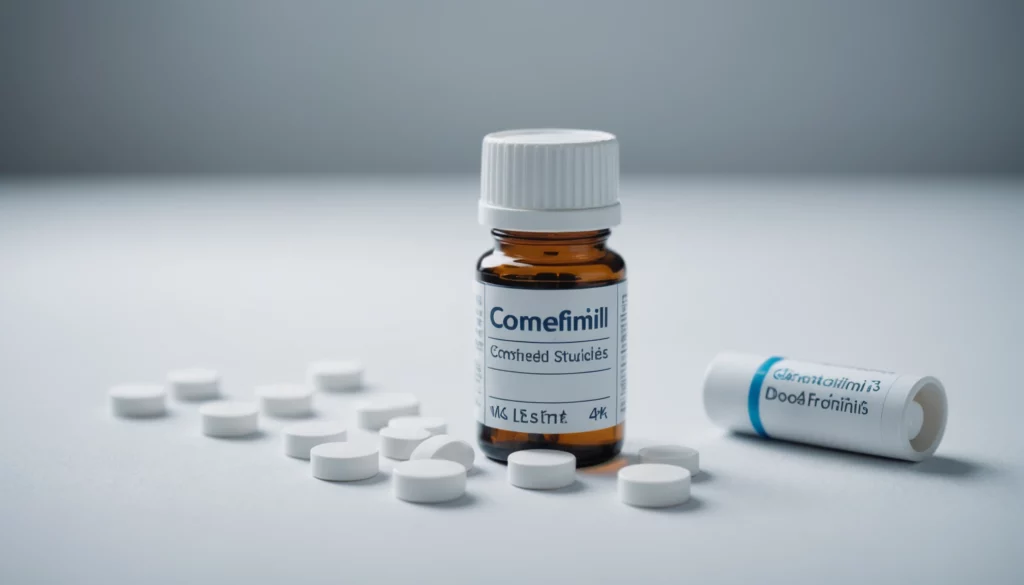
Modafinil has gained significant attention as a cognitive enhancer, with many curious about how it truly performs when put to rigorous testing. When examining modafinil through the lens of controlled studies versus real-world application, fascinating insights emerge about its effectiveness and limitations.
Table of Contents
What is Modafinil and Why Testing Matters
Modafinil emerged as a prescription medication primarily used to treat sleep disorders like narcolepsy. Its ability to promote wakefulness quickly caught the attention of students, professionals, and biohackers seeking cognitive enhancement. The growing interest in modafinil has sparked numerous discussions about its effectiveness beyond medical applications.
Understanding how modafinil truly performs requires more than anecdotal evidence. Rigorous testing helps distinguish between placebo effects, individual variance, and genuine cognitive enhancement. Without proper evaluation frameworks, users risk making decisions based on hype rather than data.
Modafinil Testing Overview
Laboratory Studies
↓
Real-World Application
↓
Personalized Results
The complexity of cognitive enhancement makes testing particularly challenging. Memory, focus, and productivity involve multiple neurological pathways that interact uniquely in each individual. What works spectacularly for one person might offer minimal benefit to another, creating both opportunities and frustrations for modafinil users seeking optimal performance.
Smart drug testing requires systematic approaches that account for multiple variables. These include dosage, timing, environment, task complexity, and individual physiological factors. Without controlling these elements, anyone evaluating modafinil's effects risks drawing misleading conclusions about its effectiveness or limitations.
Understanding Controlled Studies on Cognitive Enhancers
Controlled studies represent the gold standard for evaluating pharmaceutical compounds. These investigations typically involve double-blind methodologies where neither participants nor researchers know who receives the active compound versus placebo. This approach eliminates bias and produces more reliable data about modafinil's genuine effects.
I've reviewed numerous controlled studies on modafinil, and they reveal interesting patterns. Laboratory environments often demonstrate modest improvements in specific cognitive tasks, particularly those involving sustained attention and working memory. However, these studies typically involve healthy young adults performing artificial tasks that don't reflect real-world complexities.
The controlled study approach offers valuable insights but comes with limitations. Most research uses short durations, often just single doses or brief administration periods. They also examine isolated cognitive functions rather than the integrated performance demanded by professional or academic environments where modafinil is most commonly used off-label.
Key Observation: Laboratory studies consistently show modafinil works best for fatigue-related cognitive impairment rather than enhancing already-optimal performance. This suggests its primary mechanism involves counteracting deficits rather than creating superhuman abilities.
Study methodologies themselves deserve scrutiny when evaluating modafinil research. Different researchers use varied cognitive batteries, making cross-study comparisons challenging. Some focus on reaction times, others on memory consolidation, while still others examine executive functions. This methodological diversity creates a fragmented understanding of modafinil's true potential.
Laboratory Results vs Real-World Performance
The disconnect between laboratory findings and real-world modafinil experiences fascinates me. In controlled studies, modafinil frequently produces measurable but modest improvements. However, personal reports often describe dramatic transformations in productivity and focus. This discrepancy raises important questions about how we should interpret both types of data.
Real-world usage introduces variables rarely present in laboratory settings. Motivation, urgency, social accountability, and meaningful consequences all influence cognitive performance modafinil might enhance or inhibit. Additionally, users typically self-select tasks they find challenging rather than completing standardized cognitive batteries selected by researchers.
Focus Point: The expectancy effect significantly influences modafinil's real-world performance. Knowing you've taken a focus-enhancing compound may itself boost productivity independent of biochemical effects. This psychological component is largely controlled for in laboratory studies but impossible to eliminate in personal experimentation.
Testing Variables Comparison
| Laboratory Set | Real-World Set |
| Standardized tasks | Varied, meaningful tasks |
| Controlled environment | Dynamic environment |
Consider the programmer facing a complex debugging challenge with a deadline approaching. Their motivation, stress levels, and prior experience with similar problems create a vastly different cognitive context than laboratory participants memorizing word lists. These real-world scenarios might reveal modafinil's true potential—or its limitations—as an enhancement tool for complex cognition.
Implementation timing adds another layer of complexity. Laboratory studies typically administer modafinil shortly before testing. Real-world users might take it in the morning for afternoon productivity or time it to counteract mid-day energy dips. These strategic usage patterns fall outside standard research methodologies but significantly impact outcomes.
Personal Experiences vs Scientific Data
The internet abounds with dramatic modafinil testimonials describing incredible productivity breakthroughs. Some users claim to write entire dissertations, complete massive coding projects, or master new skills within remarkably short timeframes. These anecdotal reports create compelling narratives but must be evaluated against more objective data.
When examining these personal experiences, I've noticed patterns that deserve attention. Many users describe their first experiences with modafinil as markedly stronger than subsequent usage. This suggests potential tolerance or habituation effects that controlled studies rarely examine due to their short durations. The long-term effectiveness curve remains largely undocumented.
Selection bias heavily influences publicly available modafinil experiences. People with dramatic positive outcomes feel more motivated to share their stories than those with minimal effects or negative experiences. This creates a skewed perception of typical results that doesn't align with more measured laboratory findings.
Insider Tip: When evaluating modafinil experiences from others, pay special attention to users who document their results systematically over extended periods. These longitudinal accounts provide much richer insights than single-day testimonials, even if less dramatic.
The subjective nature of cognitive enhancement adds further complexity. What constitutes “enhanced focus” differs dramatically between individuals and tasks. For some, it means reduced distractibility. For others, it represents increased persistence on boring tasks. Without standardized definitions, comparing personal experiences becomes fundamentally problematic.
Have you considered how your baseline cognitive function might influence modafinil's effectiveness? Individuals with attention deficits, chronic fatigue, or poor sleep habits often report more dramatic improvements than well-rested, high-functioning users. This suggests modafinil may normalize performance rather than peak-enhance it.
Practical Testing Methods for Modafinil
For those considering modafinil, developing a personal testing protocol provides valuable insights beyond what either controlled studies or anecdotal reports can offer. Creating your own structured evaluation requires thoughtful planning but yields the most relevant information about how the compound affects you specifically.
Testing Framework
Baseline → Intervention → Reflection
Begin by establishing clear performance metrics relevant to your goals. Wanting “better focus” is too vague for meaningful testing. Instead, identify specific, measurable outcomes: perhaps words written per hour, coding problems solved, or pages read with good comprehension. These quantifiable measures provide objective data points for comparison.
Consider implementing a systematic testing schedule rather than experimenting sporadically. Consistent conditions—similar time of day, comparable tasks, and controlled environment—reduce confounding variables that could obscure modafinil's effects. Document everything from sleep quality to caffeine intake since these factors significantly influence cognitive performance.
Execution Tip: Use a simple rating scale for subjective effects alongside objective measures. Tracking items like mental clarity, motivation, and task enjoyment provides additional data beyond performance metrics. This holistic approach captures subtle benefits you might otherwise overlook.
Testing should include both on-days and off-days to establish a reliable baseline. Many modafinil users discover they perform equally well without the compound once sleep, nutrition, and other lifestyle factors are optimized. This counterintuitive finding deserves serious consideration before committing to long-term usage.
Self-experimentation requires careful attention to responsible usage. Start with minimal doses, track effects meticulously, and allow sufficient washout periods between tests. Document any side effects or uncomfortable sensations, not just positive outcomes. Comprehensive data makes for better decisions about whether modafinil benefits your specific cognitive goals.
Smart Guidelines for Testing Modafinil
Effective testing of modafinil extends beyond simple trial and error. Based on extensive research and experience, I've identified several guidelines that significantly improve the quality and usefulness of personal experiments with this cognitive enhancer.
Set clear expectations before beginning. Many users experience disappointment when modafinil fails to produce superhero-like cognitive abilities. Realistic goals—such as maintaining focus during tedious tasks or working productively despite inadequate sleep—align better with modafinil's documented effects than expectations of genius-level output.
Pay careful attention to timing and dosage. The half-life of modafinil means effects persist far longer than many users anticipate. Taking it too late in the day can disrupt sleep quality, ultimately reducing next-day cognitive performance. Finding your optimal timing through systematic experimentation yields better results than following general guidelines.
Tactical Takeaway: Consider testing modafinil during different types of tasks before incorporating it into your routine. Its effects vary dramatically between creative work, analytical problem-solving, routine administrative tasks, and learning new information. Task-specific testing reveals where modafinil provides the greatest returns for your particular needs.
Document your results consistently but avoid over-analysis. Simple note-taking about productivity numbers and subjective experience provides sufficient data without creating excessive burden. Many users abandon tracking systems that feel like work, missing valuable insights about modafinil's effects over time.
Optimal Testing Variables
| Dose | Timing | Task Type |
| Start low (50-100mg) | Early morning | Focus-intensive work |
How do you know when your testing phase is complete? Most users find patterns emerge within 5-7 separate trials across different conditions. If results remain inconsistent after this period, modafinil may not be the right cognitive enhancement tool for your specific physiology or work requirements.
Consider the opportunity costs of your testing approach. Spending weeks experimenting with modafinil means delaying implementation of potentially more effective cognitive enhancement strategies like improved sleep hygiene, exercise, nutrition optimization, or mindfulness practice. Maintain perspective on testing as a means to an end rather than the end itself.
Expert Takeaways on Modafinil Testing
After examining both controlled studies and real-world modafinil testing, several insights emerge that should inform your approach to this cognitive enhancer. The disconnect between laboratory findings and anecdotal reports isn't contradictory but rather complementary, each revealing different aspects of modafinil's complex effects.
Controlled studies provide essential information about safety and general efficacy but often underestimate modafinil's potential benefits for specific populations and scenarios. The carefully constrained environments necessary for scientific rigor rarely mirror the complex, motivational contexts where most users seek cognitive enhancement. This limitation doesn't invalidate laboratory findings but suggests they represent only part of the picture.
Personal testimonials, while compelling, suffer from significant bias and reporting problems. Dramatic success stories receive disproportionate attention, creating unrealistic expectations. More measured accounts of modest improvements in specific domains better represent typical outcomes but rarely make for exciting reading. Critical awareness of this bias helps maintain perspective when evaluating modafinil's potential.
Pro Insight: The most effective approach combines scientific principles with personal experimentation. Create structured testing protocols that methodically vary key parameters while maintaining documentation of both quantitative performance metrics and qualitative experiences. This hybrid methodology leverages the strengths of both research traditions.
Context matters tremendously when evaluating modafinil's effectiveness. Sleep-deprived users with urgent deadlines experience dramatically different results than well-rested individuals working without external pressure. Understanding these contextual variables helps predict when modafinil might provide meaningful benefits versus when it offers limited value.
The enhancement potential of modafinil appears moderate rather than transformative for most users. It doesn't create cognitive abilities from scratch but rather helps unlock existing capabilities that might otherwise remain inaccessible due to fatigue, distraction, or low motivation. This more realistic understanding prevents disappointment and supports better decisions about usage.
Individual variance in response to modafinil exceeds what controlled studies might suggest. Genetics, baseline cognitive function, sleep quality, nutrition, and psychological factors all modulate its effects. Your personal experience may align more closely with dramatic testimonials or conservative laboratory findings, with both possibilities equally valid within the spectrum of documented responses.
Before deciding to use modafinil, consider testing how your brain responds to cognitive challenges without enhancement substances. Many users discover that optimizing fundamental factors like sleep, exercise, nutrition, and minimizing distractions yields most of the benefits they sought from pharmaceutical enhancement. This optimization-first approach provides lasting benefits without pharmaceutical dependency.
For those who proceed with modafinil testing, remember that cognitive enhancement represents a tool rather than a transformation. The compound cannot compensate for inadequate knowledge, poor strategy, or fundamentally uninteresting work. Its greatest value lies in helping you apply existing capabilities more consistently and persistently, particularly during periods of suboptimal biological performance.
Ultimately, the smartest approach to modafinil testing involves both curiosity and skepticism. Maintain openness to potential benefits while rigorously evaluating actual performance improvements. Document everything experimentally, remain honest about results (both positive and negative), and remember that cognitive enhancement exists as part of a broader self-optimization strategy rather than a standalone solution.



Storage recommendations for Modafinil are comprehensive. The preservation features give me confidence for long-term use, especially as I integrate it into my wellness routine. Do you all follow the storage instructions exactly to maintain efficacy?
Incorporating modafinil into my wellness routine starts next week. I'm excited but a bit concerned about how my body will react during the adjustment period. Have any of you experienced a 'purging' phase with cognitive enhancers, and how long did it last for you?
Learning proper techniques for optimizing cognitive function begins next month. The research seems promising, but I'll need some guidance. Are there any resources or video tutorials, perhaps from reputable wellness experts, that you’d recommend?
Budget constraints make smart drug selection critical for enhancing overall wellness. This comparison of Modafinil and other nootropics addresses my main concerns about cognitive performance, but I'm still on the fence. Which option do you think offers better value for mental clarity?
Comparative analysis favors cognitive enhancement supplements like modafinil over traditional alternatives. The benefits align perfectly with my long-term wellness goals, especially in boosting my focus during hectic weeks. It's a tough decision, though!
Backup plan for cognitive enhancement is finalized. I'm confident but prepared for potential mixed feelings. What's your go-to supplement for boosting focus without jitters? I've been exploring options like L-Theanine alongside my daily routine.
Usage guidelines for smart drugs like Modafinil help prevent overuse effectively. The instructions provide excellent visibility into the importance of mindful consumption. It makes you realize how much you might be relying on quick fixes instead of holistic wellness practices!
Testing cognitive enhancers in my wellness routine shows promising results. I've been integrating them alongside my morning matcha over the past few weeks. I'm curious to see how they impact my focus and energy levels in different daily scenarios.
Trial with enhancing my overall wellness using modafinil exceeded expectations last week. I want to make it a permanent part of my routine, but I’m hesitant. Does it continue to deliver results over time, especially compared to other nootropics I’ve tried?
Application changes to my daily wellness regimen resolved my energy management issues. The customer service from the brand was quicker than expected. It's refreshing when a company genuinely responds to their customers' needs!