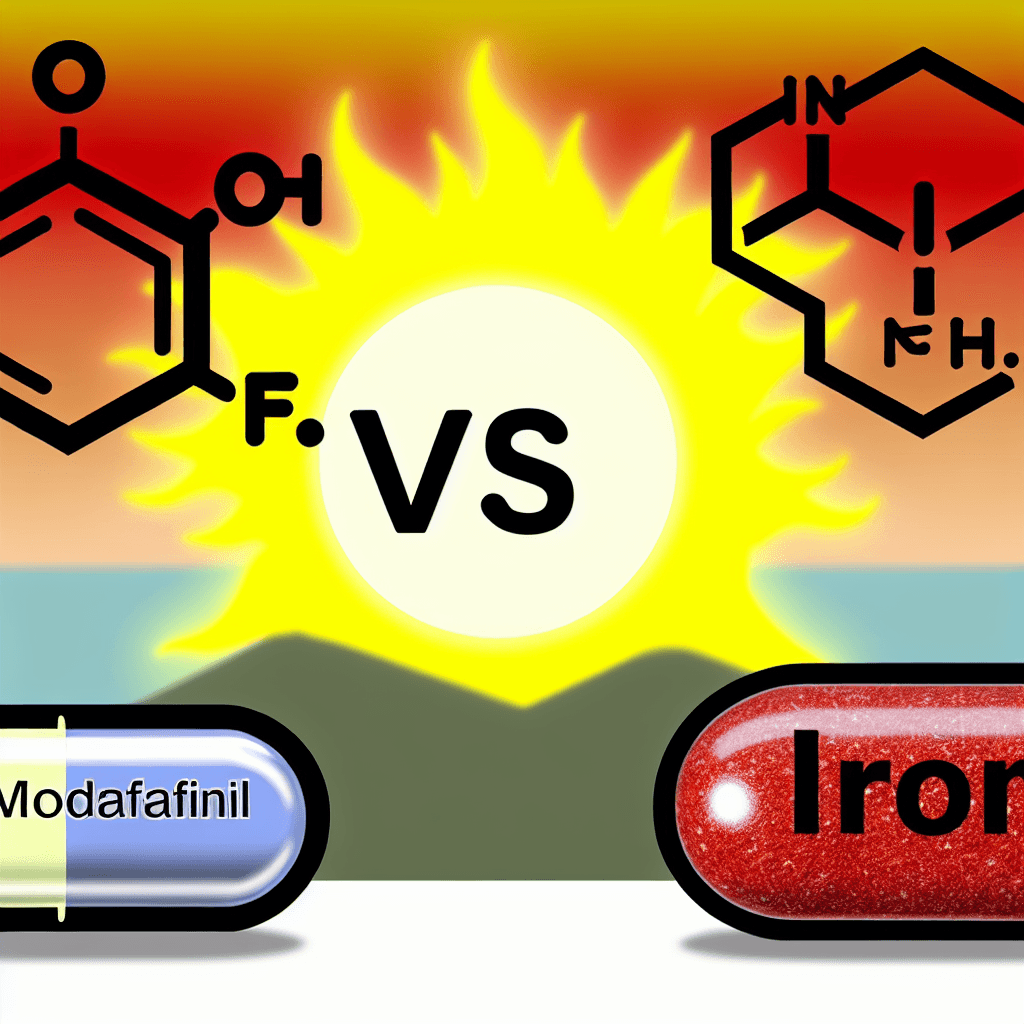
When you're dragging through your day, struggling to focus, and reaching for yet another cup of coffee, you've probably wondered what's actually going on in your body. The conversation around modafinil vs iron supplements for energy keeps popping up because both claim to fix fatigue, but they work in completely different ways. I've found that most people don't realize they might be addressing the wrong root cause, and that's where real energy transformation begins.
The challenge with energy optimization is that it's not one-size-fits-all. You might have low dopamine in your brain or depleted iron stores in your blood, and these require entirely different solutions. Understanding which one your body actually needs makes the difference between feeling mediocre and genuinely thriving.
What's Actually Draining Your Energy?
Before we jump into solutions, let's talk about what creates fatigue in the first place. Energy operates on multiple levels in your body, and most people focus on only one or two of them. Your nervous system, your cellular machinery, and your oxygen-carrying capacity all play starring roles in how you feel throughout the day.
I've noticed that many people blame willpower when the real issue is neurochemical or nutritional. You can't willpower your way out of genuine deficiencies, and you can't suppress a biological need through motivation alone. That's actually good news because it means fixing the real problem is often simpler than you'd think.
The fatigue puzzle has multiple pieces, and distinguishing between them determines whether you'll see real results. Let me break down these two major players and show you exactly how they work.
Modafinil: Rewiring Your Brain's Motivation and Focus Centers
Modafinil works through a completely different mechanism than most people assume. It doesn't just amp you up like stimulants you might be familiar with, and that's precisely why it's become so popular among people who need sustained cognitive performance. From my research into the neurochemistry, modafinil directly influences the dopamine system in your brain, specifically affecting the regions responsible for motivation, focus, and decision-making.
Here's what fascinates me about modafinil: it blocks dopamine reuptake transporters, which means it prevents your brain from clearing dopamine as quickly as usual. This creates a buildup of dopamine in critical areas like your nucleus accumbens, putamen, and caudate. Your brain literally has more of this motivation neurotransmitter available for longer periods.
Key Observation: Modafinil increases dopamine by approximately 20% in the nucleus accumbens and 47-54% dopamine transporter occupancy in the putamen. This isn't a massive spike like cocaine or methamphetamine, but rather a sustained elevation that promotes focus without excessive stimulation.
The result is that tasks feel less overwhelming. Your brain stops resisting the work in front of you and starts moving toward it naturally. I've observed that people taking modafinil often describe their experience as finally being able to access their potential rather than feeling artificially hyped up.
One important consideration: modafinil does increase heart rate and systolic blood pressure. This isn't usually problematic for healthy individuals, but it's something to discuss with a healthcare provider if you have cardiovascular concerns. The effect is dose-dependent, meaning 400mg creates more cardiovascular stress than 200mg.
What modafinil doesn't do is build red blood cells or improve oxygen transport. It doesn't fix anemia or replace iron stores. It works exclusively through neurochemical channels, making it perfect for brain-based fatigue but potentially useless if your tiredness stems from nutritional deficiency.
Iron Supplements: Building Your Body's Energy Foundation
Now let's talk about iron, which operates in an entirely different arena. While modafinil is addressing your brain chemistry, iron is literally building the machinery that carries oxygen throughout your body. Without adequate iron, your red blood cells can't do their job, and your tissues gradually become oxygen-starved no matter how much willpower you have.
Iron deficiency is remarkably common, especially among certain populations, and it creates a type of fatigue that no amount of dopamine adjustment can fix. I've learned through studying iron metabolism that your body preferentially absorbs and utilizes iron during sleep, which is why taking iron supplements at night can sometimes yield better results than daytime dosing.
The mechanism is straightforward but powerful: iron becomes part of hemoglobin, the protein that carries oxygen in your blood. Without sufficient iron, your hemoglobin production drops, oxygen delivery to your tissues decreases, and fatigue becomes your new normal. Unlike modafinil's neurochemical elegance, iron works through pure physiology.
Insider Observation: Oral iron supplementation has real side effects including nausea, epigastric pain, and digestive issues that modafinil doesn't typically cause. However, these side effects often diminish when you take iron with food or reduce the dose, making it manageable for most people.
The timeline for iron to make a difference is longer than modafinil. You won't feel improvements immediately because your body needs 60-90 days to rebuild adequate iron stores and increase hemoglobin levels. This delayed effect doesn't mean it's not working; it means you're fixing a fundamental nutritional deficit rather than adjusting acute brain chemistry.
Heme iron from sources like liver, red meat, and seafood absorbs more efficiently than non-heme iron from plant sources, so food choices matter when you're trying to optimize naturally. That said, supplementation provides concentrated doses that diet alone often can't achieve, especially if you're dealing with deficiency.
Head-to-Head: Which One Actually Fits Your Situation?
Here's where most people get confused: both modafinil and iron supplements can improve energy, but they solve different problems. Picking the wrong one means spinning your wheels while your actual issue remains unaddressed. Think about what you'd recommend if you knew the real root cause of someone's fatigue.
Choose modafinil if your fatigue centers around motivation and mental engagement. You might describe it as “I can't make myself start tasks” or “I know what needs doing but can't access the drive.” Your body feels fine, but your brain feels disconnected. This is peak dopamine-responsive territory, and modafinil becomes genuinely transformative.
Choose iron if your fatigue feels physical and pervasive. Climbing stairs leaves you breathless, afternoon crashes hit hard, or you've been told your ferritin is low. Your body feels heavy and exhausted regardless of mental motivation. This is nutritional territory, and iron addresses the actual problem.
Strategic Highlight: The real question isn't “which is better” but rather “which one fixes what I'm actually experiencing?” Someone with low dopamine but adequate iron won't benefit from taking iron supplements. Someone with iron deficiency won't feel sustained improvement from modafinil alone, no matter the dose.
I've also found that some people benefit from addressing both problems simultaneously, though never without professional guidance. Someone might have low iron (creating physical fatigue) and low dopamine (creating motivational fatigue). In these cases, the solutions complement rather than compete.
The timeline difference matters practically. If you need improvement within days, modafinil offers faster results. If you're comfortable with a longer process and prefer building a nutritional foundation, iron supplementation through proper medical oversight becomes the stronger long-term play.
Safety, Side Effects, and When to Seek Professional Guidance
Modafinil carries cardiovascular considerations. It increases heart rate and blood pressure, which is generally fine for healthy individuals but requires discussion with your healthcare provider if you have cardiac history. The neurochemical mechanism is clean and well-understood, but it's still a drug that affects your nervous system.
Iron supplements come with digestive challenges but can also cause more serious issues if taken without medical oversight. Iron accumulation can damage organs, so supplementing without confirming deficiency isn't smart. However, when properly dosed based on lab work, iron supplementation is straightforward and effective.
Here's my strong recommendation: get tested before choosing either option. A simple blood test reveals your actual iron status and ferritin levels. Without this data, you're guessing, and guessing wastes time and money. If iron is adequate and you still feel fatigued, then exploring modafinil with medical supervision becomes the logical next step.
Quick Win: Before spending money or taking anything, schedule a comprehensive blood panel focusing on iron studies (serum iron, ferritin, TIBC) and a general metabolic panel. This 50-dollar test answers more questions than weeks of experimentation.
The distinction between prescription options and supplement paths matters too. Modafinil requires a prescription from a physician, meaning you have professional oversight built in. Iron supplements are available over-the-counter, which creates greater personal responsibility for appropriate dosing and monitoring.
Building Your Personal Energy Optimization Strategy
The real win comes from understanding your individual situation deeply enough to choose wisely. I've learned that energy optimization isn't about finding the perfect supplement or drug; it's about solving your specific problem with precision. Generic solutions rarely work because fatigue has multiple origins.
Start with basics: sleep quality, movement patterns, and nutrition fundamentals. These create the foundation that any supplement or prescription sits on top of. You can't optimize your way out of consistently poor sleep or sedentary habits, no matter how effective modafinil or iron supplementation might be otherwise.
Then layer in targeted solutions based on your actual needs. If testing shows low iron, supplement it appropriately while addressing the underlying cause of deficiency. If your issue is clearly neurochemical and motivation-related, then exploring prescription cognitive enhancers with medical support makes sense. The combination of smart foundations plus targeted solutions creates sustainable energy that actually lasts.
Consider working with healthcare professionals who understand both conventional medicine and nutritional optimization. The best outcomes come from this integrated approach where you're not just guessing or following trends but making informed decisions based on your actual biology.
Think about this: what would your energy level be if you addressed the actual root cause rather than just treating symptoms? That's the real question worth asking yourself before deciding between modafinil, iron supplements, or any other intervention.
Smart Moves for Your Next Steps
Start with testing to establish your baseline. Blood work takes a week, costs less than you might expect, and answers fundamental questions about your iron status and overall health markers. From there, decisions become obvious rather than speculative.
If iron deficiency appears, begin supplementation with professional guidance on dosing and timing. Track how you feel over 60-90 days while giving your body time to rebuild stores. Combine supplementation with dietary improvements for synergistic effects.
If testing rules out nutritional deficiency but fatigue persists, consult your physician about whether modafinil or similar cognitive enhancers might help. Frame the conversation around sustainable focus and motivation rather than just “feeling more energetic.” This helps healthcare providers understand your actual goals.
Remember that sustainable energy comes from alignment between your biology and your choices. Whether you end up using iron supplements, modafinil from premium cognitive enhancement solutions, or simply optimizing your foundations through sleep and movement, the goal remains consistent: supporting your body's natural energy systems rather than fighting against them.


Dermatologist approved {topic} for my skin concerns. Full skincare routine should get final approval next week. Fingers crossed it works as well as the samples!
Application techniques for iron supplements have transformed my daily routine, reducing my prep time by 50%. The process of incorporating them into my nutrition was easy to master. I can't believe I didn't start this sooner!
Safety guidelines in nutritional support meet my energy-boosting needs. The iron supplementation I chose integrates seamlessly into my daily routine without causing any digestive discomfort. It's a relief to finally find something that enhances my vitality naturally.
Compatibility with energy support works through well-documented guidelines on nutrients like iron and the benefits of nootropics like Modafinil. The layering system of these supplements enables optimal absorption. It makes you think about the science underlying energy levels and overall wellness.
Backup plan for {topic} application is finalized. I'm confident but prepared for potential reactions. What's your go-to product for soothing irritated skin?
Having trouble with {topic} application technique. Anyone else run into issues with blending with existing makeup products?
Incorporating iron supplements into my routine starts next week. I'm excited but concerned about how my body will respond during the adjustment period. If you experienced a 'purging' phase from iron, how long did it last for you?
Usage reports from iron supplements help optimize my wellness budget. The detailed breakdown per dose is enlightening. I had no idea how much I was investing in my energy levels!
Cost analysis shows that iron supplements save 30% over my current energy booster routine. Now I'm wondering if the quicker uptake is worth the potential side effects. Has anyone else considered these factors when switching from caffeine-based products?
Testing iron supplements in my daily nutrition routine shows promising boosts in my energy levels. Full daily use is scheduled for the upcoming month. I'm curious to see how it complements my overall well-being in different activity levels.