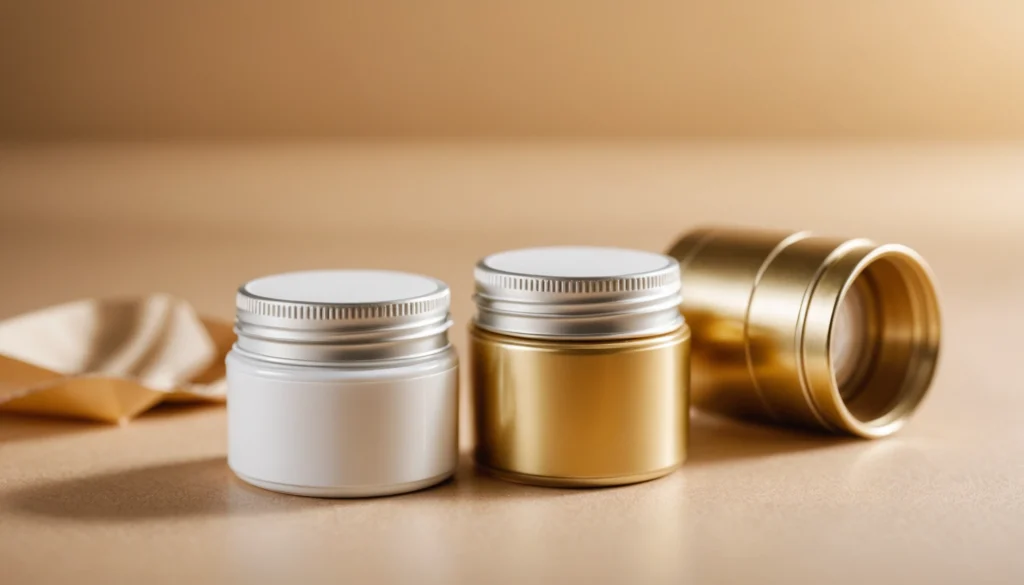
The conversation around recyclable packaging in beauty has intensified dramatically. As consumers increasingly demand sustainable options, brands like Pure Beauty and Biossance have responded with different approaches to reducing their environmental footprint. Let me walk you through which brand might be leading the charge in sustainable packaging.
Table of Contents
1. Understanding Sustainable Packaging in Beauty
2. Pure Beauty's Packaging Approach
3. Biossance's Packaging Strategy
4. Direct Comparison: Materials and Recyclability
Understanding Sustainable Packaging in Beauty
Sustainable packaging goes far beyond simply using recyclable materials. The beauty industry has historically relied on elaborate containers that look luxurious but create significant waste. True sustainability considers the entire lifecycle of packaging.
This includes material selection, manufacturing processes, transportation weight, and crucially, whether local facilities can actually process the materials after use. Many items labeled “recyclable” end up in landfills because consumers lack access to specialized recycling services.
When evaluating brands, I look for several key indicators of genuine commitment. Does the company use post-consumer recycled materials? Have they designed packaging that requires less material overall? Most importantly, do they make recycling easy and accessible for their specific customer base?
Key Insight
The most sustainable packaging combines responsible material choices with realistic recycling accessibility for the average consumer.
Have you ever purchased a product with recyclable packaging only to discover your local facility won't accept it? This disconnect between marketing and reality represents one of the biggest challenges in beauty sustainability.
Pure Beauty's Packaging Approach
Pure Beauty has positioned itself as a thoughtful player in conscious beauty. Their packaging strategy emphasizes minimalist design with maximum functionality. The brand tends toward glass containers for products where stability matters, complemented by recyclable plastic components.
What impresses me about their approach is the attention to component simplicity. Many beauty products combine multiple materials in a single container, making separation for recycling nearly impossible. Pure Beauty generally avoids excessive mixed-material designs.
They've also shown a commitment to reducing excess packaging. You won't find elaborate boxes-within-boxes or unnecessary tissue papers. This minimalist approach reduces overall material consumption while maintaining a premium feel that customers expect.
The refill aspect deserves particular attention. Pure Beauty has begun introducing refillable options for several staple products. This marks a significant step forward—refill programs demonstrably reduce by encouraging reuse rather than constant replacement.
Smart Insight
Refillable packaging represents the gold standard in sustainability, reducing raw material consumption by up to 80% over a product's lifetime.
For their women's skincare line, Pure Beauty has particularly focused on creating containers that feel luxurious while remaining recyclable. Their serum bottles, for example, use glass that can be easily repurposed or recycled, paired with simple plastic droppers that can be separated before disposal.
The challenge remains educating consumers about proper disposal. Even perfect packaging fails its sustainability goals if users don't understand how to prepare it for recycling. Pure Beauty has begun addressing this with clearer messaging on their website and packaging.
Biossance's Packaging Strategy
Biossance has built its reputation on squalane derived from sugarcane, so their packaging logically reflects similar innovative thinking. The brand has made concerted efforts to incorporate alternative materials that reduce environmental impact.
Their packaging heavily features post-consumer recycled (PCR) materials. This shows commitment to closing the loop by giving discarded materials a second life rather than constantly demanding virgin resources. Many of their plastic containers contain high percentages of PCR content.
Biossance has also invested in alternative materials like bamboo and other rapidly renewable resources for certain components. These materials break down more naturally than traditional plastics, offering end-of-life advantages when properly disposed of.
I've noticed their particular strength in consumer education. Biossance provides detailed guidance about recycling their specific packaging, including which components require separation before disposal. This transparency helps consumers properly process items rather than contaminating recycling streams.
Pro Insight
Consumer education may be more critical than material choice—even recyclable packaging ends up in landfills when users don't understand proper disposal procedures.
Where Biossance particularly shines is their carbon-offset programs for shipping materials. The brand acknowledges that packaging extends beyond containers to include shipping materials that often involve excessive plastic. They've implemented initiatives to counter these lesser-discussed environmental impacts.
Their commitment extends to internal operations as well. Biossance has reportedly reduced packaging waste in their own facilities, though specific figures aren't readily available. This holistic approach to reduction represents a mature understanding of sustainability challenges.
Direct Comparison: Materials and Recyclability
When comparing these brands head-to-head, distinct philosophies emerge. Pure Beauty leans toward traditional high-quality materials with emphasis on recyclability and refillability. Biossance prioritizes innovative materials and high recycled content, while investing in carbon offset programs.
The glass versus recycled plastic debate represents a philosophical divide. Glass offers infinite recyclability but comes with weight and transportation impacts. Recycled plastic reduces demand for virgin resources but eventually degrades in quality through the recycling process.
For specific product categories, each has its own advantages. Serums benefit from glass to preserve active ingredients. Biossance's approach using high quality PCR plastics with proper barrier technologies offers comparable protection with lighter weight.
Have you considered how your regional recycling capabilities affect which packaging choices actually benefit the environment? In areas with limited glass recycling, Biossance's plastic solutions might paradoxically offer better environmental outcomes despite conventional wisdom favoring glass.
The refill programs deserve special attention. Pure Beauty has developed refillable systems that encourage consumer participation in sustainability. While Biossance has focused more on material innovation rather than refill infrastructure, both approaches significantly reduce environmental impact.
Core Insight
The most sustainable packaging choice depends heavily on your local recycling infrastructure and personal consumption habits.
Packaging weight presents another interesting consideration. Biossance's lighter plastic containers reduce transportation emissions, while Pure Beauty's glass containers, though heavier, offer superior recyclability in most markets. This represents the classic environmental trade-off between production emissions and end-of-life processing.
Consumer Experience and Accessibility
Sustainable initiatives mean little if consumers won't engage with them. Both brands face the challenge of making sustainability convenient rather than burdensome. Let me share some observations about how each addresses this practical concern.
Pure Beauty's refill system requires some consumer education and effort. Customers must purchase initial dispensers then follow specific procedures for refilling. This creates additional steps but ultimately reduces packaging consumption significantly. Their straightforward designs make refilling relatively uncomplicated once understood.
Biossance's approach requires less consumer behavioral change—their packaging works essentially like conventional products. The sustainability happens behind the scenes through material choices and manufacturing processes. This “invisible sustainability” potentially reaches more consumers despite being less interactive.
Aesthetic impact matters too. Luxury beauty consumers expect premium experience even with sustainable packaging. Pure Beauty's elegant containers maintain appeal while incorporating sustainable elements, proving that eco-consciousness needn't sacrifice sophistication.
Cost accessibility presents another important consideration. Refill programs typically offer lower per-use costs after initial investment but require higher upfront spending. Biossance's approach distributes costs across purchases without requiring initial commitments. Both strategies have merits depending on consumer preferences.
What matters most to you as a conscious consumer? Would you prefer actively participating in sustainability through refill programs, or supporting brands that handle eco-innovations behind the scenes? Your answer might guide which brand better aligns with your values and lifestyle.
Wrapping Up
After careful examination, both Pure Beauty and Biossance demonstrate genuine commitment to sustainable packaging through different approaches. Neither brand emerges as definitively superior—rather, they represent complementary paths toward the same environmental goals.
Pure Beauty excels with elegant simplicity and refill initiatives that directly engage consumers in sustainability efforts. Their minimalist aesthetic reduces unnecessary materials while maintaining premium appeal. For consumers who value active participation in eco-conscious practices, Pure Beauty offers tangible involvement through refill programs.
Biossance leads with material innovation and high recycled content, alongside consumer education that maximizes actual recycling rates. Their “invisible sustainability” makes environmental choices accessible without demanding behavioral changes from customers. This approach potentially reaches broader audiences despite being less interactive.
The optimal choice depends on your local recycling infrastructure and personal preferences. If your community accepts glass recycling and you're excited about refill programs, Pure Beauty might better meet your needs. Alternatively, if you value convenience while supporting behind-the-scenes innovation, Biossance may align more closely with your approach.
I encourage you to consider both brands but more importantly, to support whichever approach genuinely reduces waste in your specific situation. The most sustainable packaging becomes meaningless if it's not properly recycled or reused according to your local capabilities.
Beautiful packaging should never come at environmental expense. Both these brands prove that sustainability and sophistication can coexist, giving consumers choices that align with personal values without sacrificing luxury or performance.

Dermatologist approved {topic} for my skin concerns. Full skincare routine should get final approval next week. Fingers crossed it works as well as the samples!
Cost analysis shows that switching from Pure Beauty to Biossance could lead to a 30% reduction in my eco-friendly products. Now I'm curious if the quicker application time is worth any trade-offs in effectiveness. Has anyone else considered these factors?
What happens when sustainable packaging is prioritized without considering ingredient effectiveness? My recent comparison of Pure Beauty and Biossance revealed that while eco-friendly options are fantastic, they shouldn't compromise the performance of products like their face oils and moisturizers.
How does effective recyclable packaging impact our family's skincare choices? With members experiencing various concerns, I'm curious if Pure Beauty or Biossance aligns better with our commitment to sustainability while ensuring gentle ingredients for sensitive skin.
Having trouble choosing between Pure Beauty and Biossance when it comes to recyclable packaging. Is anyone else finding it challenging to balance eco-friendliness with the effectiveness of their products?
Backup plan for sustainable beauty practices is finalized. I'm confident in my choices but prepared for potential reactions. What's your favorite eco-friendly product for reducing waste in your routine?
Application complexity with sustainable packaging concerns my beauty routine. Has anyone tried incorporating Pure Beauty products with their existing skincare lineup, or do they work best on their own for that eco-friendly glow?
Incorporating sustainable skincare into my routine starts next week. I'm excited but a bit worried about how my skin will react to the change. How long did your adjustment period last when you switched to brands like Pure Beauty or Biossance?
Layering with Pure Beauty’s eco-friendly packaging aligns perfectly with my wellness routine. The multi-purpose features really shine, delivering exactly what I need without the excess waste. It's impressive how many steps to sustainable beauty it streamlines!
Testing the recyclable packaging from Pure Beauty and Biossance in my everyday routine shows promising results for eco-friendliness. Full commitment to both brands scheduled for next month. I'm curious to see how they perform in various conditions while promoting general wellness.