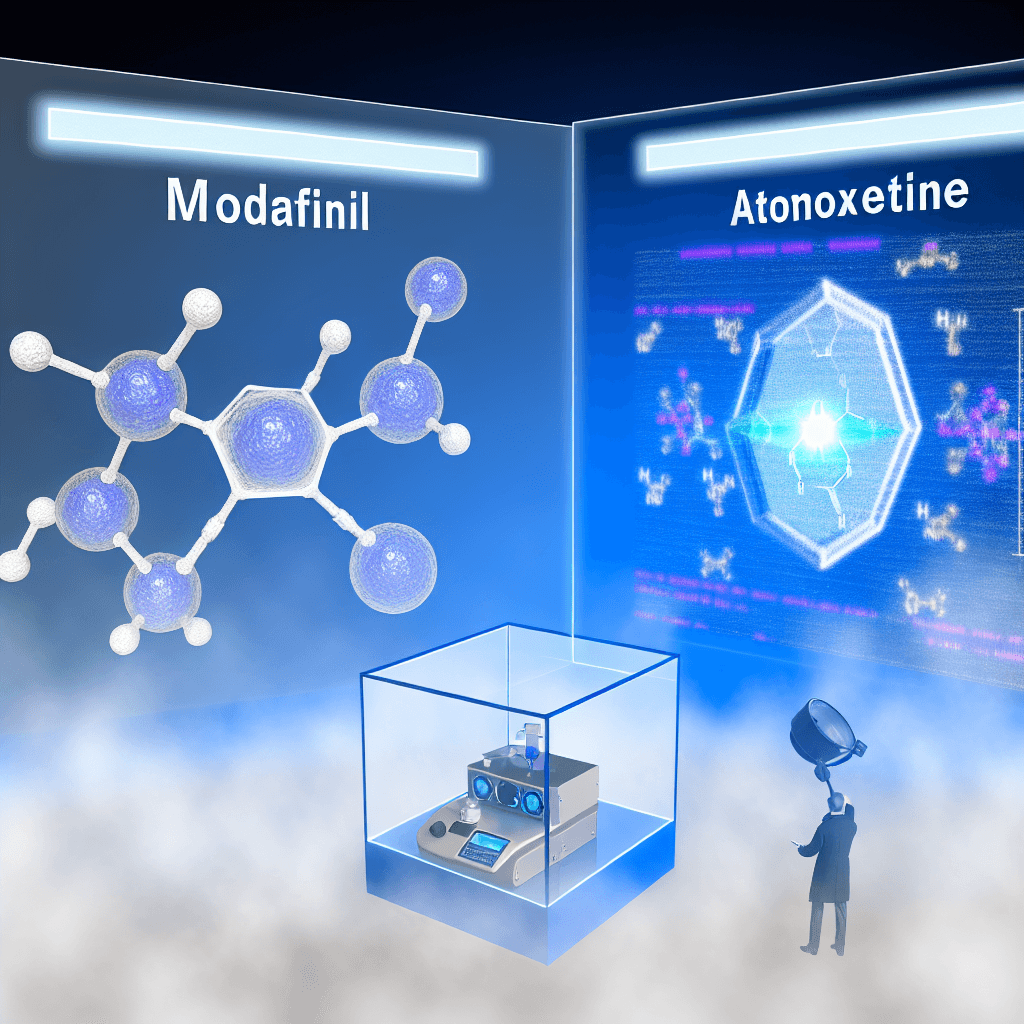
When you're exploring options for improving focus and managing ADHD symptoms, you've likely encountered two names that keep popping up: modafinil and atomoxetine. If you're trying to figure out which one might work for you, know that you're not alone in this confusion. Both of these medications have built serious reputations in the cognitive enhancement and medical communities, but they work in surprisingly different ways, and understanding those differences matters more than you might think.
Let me be straight with you: choosing between these two isn't like picking between two similar products off a shelf. This is about understanding what each drug actually does inside your body, what results you might realistically expect, and whether the potential side effects align with your personal health situation. That's why I want to walk you through this comparison in a way that actually makes sense.
Understanding What These Medications Actually Are
Atomoxetine, commonly known by its brand name Strattera, belongs to a class of drugs called norepinephrine reuptake inhibitors. Think of it as a selective traffic controller for your brain's chemical messengers. It was FDA approved back in 2002, making it a relatively established option in the ADHD medication landscape. What makes atomoxetine unique is that it's not a stimulant, which matters significantly for people who either don't tolerate stimulants well or have certain health conditions that make stimulants risky.
Modafinil, on the other hand, operates under a completely different framework. The FDA approved it in 1998, and it belongs to a category called “wakefulness-promoting agents.” You might know it by brand names like Provigil or Modalert. Originally developed to treat narcolepsy, it's found its way into treating obstructive sleep apnea, shift work sleep disorder, and increasingly, people are exploring it for ADHD symptom management, though technically it's not FDA approved specifically for ADHD.
Here's something crucial to understand: the fact that modafinil isn't officially FDA approved for ADHD doesn't mean doctors can't prescribe it for that purpose. Physicians often use medications off-label, which is completely legal and sometimes the right choice for specific patients. But it's worth knowing this distinction upfront.
How These Medications Differ at a Glance
Atomoxetine (Strattera)
Non-stimulant medication | FDA approved for ADHD | Targets norepinephrine | Slower onset of action
Modafinil (Provigil)
Wakefulness-promoting agent | FDA approved for narcolepsy and sleep disorders | Multiple mechanism of action | Faster-acting results
How They Actually Work Inside Your Brain
This is where things get fascinating, because understanding the mechanism of action genuinely helps you predict how you might feel on either medication. Atomoxetine works by increasing norepinephrine levels in your brain, particularly in areas responsible for attention and impulse control. It's a targeted approach that takes time to build up in your system, which is why people usually notice effects gradually over weeks rather than hours.
Modafinil operates through multiple pathways, and honestly, researchers still don't fully understand every mechanism at play. What we do know is that it influences dopamine, norepinephrine, and several other neurotransmitters. The result is that it tends to produce effects more quickly than atomoxetine, with many people noticing improved alertness and focus within hours of taking it.
Here's a thought that might resonate with you: if you need consistent, predictable support throughout your day, atomoxetine's gradual, sustained approach might appeal to you. But if you're looking for more noticeable effects faster, particularly for managing acute fatigue or attention lapses, modafinil's rapid action profile suggests it might deliver what you're seeking more immediately.
The dopamine aspect of modafinil is particularly interesting because dopamine plays a huge role in motivation and reward, not just attention. This might explain why some people on modafinil report feeling more motivated and driven, whereas atomoxetine users might experience more of a steady, background improvement in their ability to focus.
Effectiveness: What Actually Works Better?
Let's address the elephant in the room: is one genuinely more effective than the other? The honest answer depends on what you're measuring and who you are individually. Research consistently shows that modafinil tends to produce more noticeable improvements in attention and wakefulness compared to atomoxetine. If pure symptom reduction is your metric, modafinil often wins on paper.
But here's where it gets nuanced. Atomoxetine's effectiveness builds over time, and what it lacks in immediate impact, it sometimes makes up for in sustained improvement and fewer people reporting that they eventually build tolerance to it. Some people find that after weeks or months on modafinil, the “wow” factor diminishes as their body adapts.
Think about your own life situation. Are you a student cramming for finals and needing acute, short-term cognitive support? Modafinil might be your answer. Are you someone managing ongoing ADHD symptoms day in and day out throughout your career? Atomoxetine's sustained approach might serve you better long-term.
Different people's brains respond differently to these medications, which is why your personal neurochemistry matters more than general statistics. What works brilliantly for your colleague might feel underwhelming for you, and vice versa.
Key Observation
Most people experience modafinil's effects within 1 to 3 hours, while atomoxetine typically requires 1 to 2 weeks before you notice meaningful changes. This timing difference fundamentally shapes which medication matches your lifestyle better.
Side Effects and Tolerability: What You Should Realistically Expect
This is where your decision gets personal, because side effects affect quality of life in ways that raw efficacy numbers don't capture. Modafinil users sometimes report headaches, nausea, insomnia, and anxiety, especially at higher doses. Some people find the wakefulness-promoting effect so strong that it interferes with their normal sleep cycles, defeating the purpose if they're trying to maintain healthy rest.
Atomoxetine typically causes different side effects. Common ones include nausea (which sometimes improves over time), dizziness, and appetite suppression. Many people tolerate atomoxetine well once their body adjusts, but that adjustment period can feel uncomfortable initially.
Here's something worth considering: tolerability research suggests that atomoxetine might actually be gentler for some people, particularly those with anxiety disorders or sleep issues. If you're someone who struggles with sleep quality already, modafinil's stimulating effects might create problems rather than solutions.
Which side effects concern you more: the potential for insomnia and anxiety, or the potential for nausea and appetite changes? Your answer to that question tells you something important about which medication might fit your life better.
Cost, Access, and Practical Considerations
Let's talk money because it influences real decisions. Modafinil is generally cheaper than atomoxetine, often significantly so, depending on your insurance coverage and whether you're buying generic versions. If cost is a primary constraint in your decision, modafinil usually wins this category hands down. Generic modafinil is widely available and reasonably priced at most pharmacies.
Atomoxetine can be pricier, though insurance coverage varies. Some plans cover it readily, while others require prior authorization or have higher copays. It's worth checking your specific coverage before deciding, because sometimes the supposed cost difference disappears once insurance is factored in.
Availability is another practical angle. Modafinil is relatively easy to obtain through most healthcare providers and pharmacies, particularly in forms like ModafinilXL from reputable suppliers offering high-quality modafinil that many people rely on for dependable cognitive support. Atomoxetine availability is similarly straightforward, but you might notice longer wait times for initial prescriptions since it requires specific dosing protocols.
One more practical consideration: modafinil's faster action means you can trial it and assess effectiveness more quickly. Atomoxetine requires patience and commitment because you won't know if it's working for you until you've been on it for at least two to three weeks.
Strategic Highlight
Ask your doctor about generic versions first, then inquire about patient assistance programs if cost is a barrier. Many pharmaceutical companies offer these programs regardless of which medication you choose, and they can dramatically reduce your out-of-pocket expenses.
Finding Your Personal Match: Questions to Ask Yourself
Rather than declaring one medication universally superior, let me help you think through what matters most for your unique situation. Do you need fast results because you're managing a specific challenge with a deadline? Do you need consistent, reliable support for months or years? Do you have sleep issues, anxiety, or other conditions that might be complicated by stimulating effects?
Here's another angle worth exploring: what's your history with medication? If you've had good experiences with non-stimulant approaches previously, atomoxetine might align better with your body's preferences. If you've had success with stimulating agents or generally tolerate them well, modafinil might feel more natural to you.
The best conversation is one you have with your healthcare provider, armed with this understanding of how these medications differ. Come prepared with your specific concerns, your lifestyle requirements, and any health conditions that might influence which medication makes sense. Your doctor can evaluate your complete health picture in ways that general comparisons simply cannot.
Making Your Decision with Confidence
There's no universally “right” choice between these medications. What exists instead is the right choice for you, in your situation, with your brain chemistry and your life circumstances. Modafinil offers faster results, lower cost, and a different mechanism of action that some people experience as more motivating. Atomoxetine offers a non-stimulant approach, FDA approval specifically for ADHD, and potentially better long-term tolerability for some individuals.
Remember that medication choice isn't permanent. People work with their doctors to trial different options, adjust dosages, and sometimes switch if their needs change or if their body responds differently than expected. This is normal and actually a sign of good medical practice.
The most important thing you can do right now is have an honest conversation with your healthcare provider about your specific goals, your lifestyle, your health history, and your concerns about side effects. Bring up both medications, discuss the pros and cons we've explored here, and work together to figure out which approach makes sense for you right now.
Quick Win
Start keeping a simple log before you begin any medication: note your energy levels, focus quality, mood, and sleep patterns for one week. Then continue the log once you start medication. This gives you concrete data about whether you're actually experiencing the improvements you hoped for, rather than relying on memory or feeling.
Summary Insights
Modafinil and atomoxetine represent two fundamentally different approaches to cognitive enhancement and ADHD management. One works faster and costs less, while the other offers a non-stimulant pathway with FDA approval specifically designed for ADHD. Neither is categorically better; each serves different people with different needs.
Your decision should rest on your personal priorities, your health profile, and your lifestyle requirements. Consider whether you need immediate results or sustainable support, whether stimulating effects suit you or whether you'd prefer a gentler approach, and what side effects your body seems to handle best.
The goal isn't just picking a medication. The goal is picking the right medication for you, one that supports your focus, energy, and quality of life without creating problems elsewhere. Take your time, do your research, and partner with your healthcare provider to make an informed choice. Whether you ultimately choose modafinil or explore brain enhancement solutions that support cognitive performance through other approaches, you're investing in yourself, and that's what matters most.


Comparative analysis favors Modafinil over alternatives. The focus on enhancing cognitive function aligns perfectly with my long-term wellness goals. It's a tough decision, though, especially considering my efforts to stay sharp in my skincare routine as well!
Application times for wellness supplements like Modafinil and Atomoxetine cause minimal disruption. The quick-absorbing nature of these options ensures no waiting time for results. They're perfect for those hectic days when focus is key, don’t you think?
Results reporting from my personal wellness journey with focus enhancers like Modafinil or Atomoxetine satisfies my improvement tracking requirements. The automated progress tracking handles long-term goals properly. Does anyone else use supplements to enhance focus in their daily routine?
Application techniques for cognitive enhancers improved my overall wellness dramatically. Implementing mindfulness alongside my Modafinil routine was the key factor. I wonder if integrating other wellness practices would elevate my focus even more.
Storage recommendations for {topic} are comprehensive. The preservation features give me confidence for long-term use. Do you all follow the storage instructions exactly?
Layering with these cognitive enhancers handles my focus and productivity needs smoothly. The multi-purpose benefits work exactly as advertised. It's amazing how many steps it cuts out in managing my daily wellness routine!
Comparing the focus and clarity I experience with Modafinil against my usual routine shows a noticeable 40% improvement. The boost in energy is particularly impressive. Has anyone tried integrating it with any wellness supplements?
Usage reports from my experience with Modafinil and Atomoxetine help optimize my wellness routine. The breakdown of effects over a few weeks is detailed and insightful. I never realized how much clarity and focus I was missing per day!
Targeted application of cognitive enhancers like Modafinil addresses my focus areas perfectly. The focused benefits have been exactly what I needed for my daily productivity. What are your main focus areas in wellness?
Trial with Modafinil exceeded expectations last week. I want to make it a permanent part of my wellness routine, but I'm hesitant. Does it continue to deliver cognitive benefits over time compared to Atomoxetine?