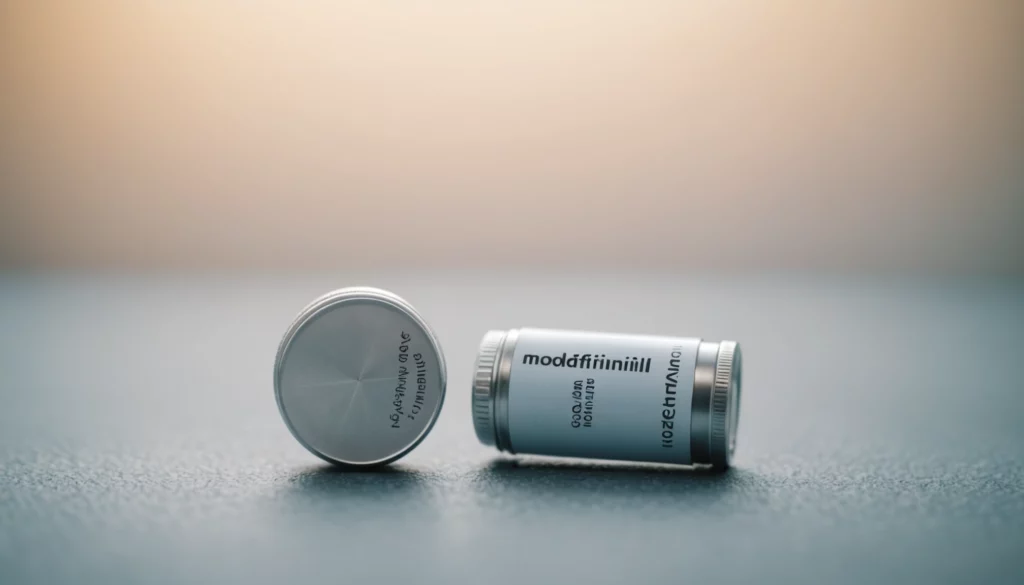
When it comes to boosting your mental energy and staying alert, we've all reached for that third cup of coffee or an energy drink at some point. But what if there was a smarter way to maintain focus without the dreaded crash? That's where Modafinil enters the conversation, offering a different approach to cognitive enhancement that many find superior to conventional energy methods.
I've spent years observing how different substances affect mental performance, and the contrast between traditional stimulants and Modafinil is fascinating. Many people don't realize there's a fundamental difference in how these options work. Let me break down what I've learned from extensive experience with both categories.
Table of Contents
1. Understanding Traditional Energy Boosters
3. Effectiveness Comparison: Focus, Duration, Impact
4. Side Effects and Tolerance: What to Expect
5. Making the Right Choice for Your Needs
Understanding Traditional Energy Boosters
Most people are familiar with the standard toolkit for mental energy: multiple cups of coffee, energy drinks packed with sugar and caffeine, or even those little caffeine pills from the pharmacy. These methods work through a simple brute force approach. They flood your system with stimulants that trigger your adrenaline response.
The problem? Traditional energy methods are like using a sledgehammer when you need precision tools. They create a temporary sense of alertness by keeping you in a constant state of mild emergency. This approach has been around forever, but it's far from optimal for sophisticated cognitive work.
Traditional Energy Methods
Coffee, Energy Drinks, Caffeine Pills
⬇️
Approach: Broad Stimulation
Effect: Temporary boost with inevitable crash
Coffee and energy drinks primarily affect your central nervous system by blocking adenosine receptors. Adenosine is what tells your brain it's time to rest. When you block these receptors, your brain can't receive that “time to sleep” signal. This is why you feel alert initially but then crash hard when the caffeine wears off and the adenosine rushes back in.
Energy drinks add another layer with sugar and additional stimulants like taurine and guarana. They essentially create a cocktail of chemicals that all push your nervous system into overdrive. I've watched countless friends ride this roller coaster of artificial energy by afternoon crash. It's exhausting just observing their cycles.
Smart Insight: Traditional energy methods create debt paying for alertness now with exhaustion later, while Modafinil operates more like sustainable clean energy for your mind.
The fundamental limitation of these approaches becomes apparent when you need sustained focus for complex tasks. The jitters, anxiety, and digestive issues that often accompany heavy caffeine use can actually impair performance. You might feel awake, but can you really do your best thinking while your heart is racing and your hands are slightly trembling?
How Modafinil Really Works
Modafinil operates on an entirely different principle than traditional stimulants. Instead of brute force stimulation, it specifically targets the wakefulness-promoting areas of your brain. The biggest misunderstanding about Modafinil is that it's just another stimulant. This couldn't be further from the truth.
I've found that Modafinil works more like a volume knob for your wakefulness rather than pushing your entire nervous system into panic mode. It primarily affects orexin/hypocretin neurons in your hypothalamus—the same system that regulates sleep-wake cycles naturally. This is why the focus feels clean rather than agitated.
Traditional energy methods are like grabbing your brain by the collar and shaking it awake. Modafinil is more like gently turning up a dimmer switch to optimal brightness. Both get you to a state of alertness, but the experience and quality of that alertness differ significantly.
Modafinil Approach
Strategic Wakefulness Enhancement
⬇️
Method: Targeted neurological action
Result: Clean sustained focus without crash
The beauty of this mechanism is that it preserves your mental clarity. With caffeine, I've noticed people often feel physically stimulated but mentally scattered. Your thoughts might race, but they're harder to direct toward productive channels. Modafinil users typically report feeling calm yet intensely focused, without the physical agitation.
Another crucial difference lies in dopamine reuptake. Modafinil has a mild effect on dopamine transporters but without the euphoric rush or addictive potential of traditional stimulants. This creates sustained motivation without the sharp peaks and valleys that come with other substances.
Expert Note: The clean focus from Modafinil comes from its selective action on wakefulness pathways rather than wholesale nervous system stimulation like caffeine.
Perhaps most importantly, Modafinil doesn't create artificial energy the way sugar-laden energy drinks do. It removes mental fatigue rather than masking it with hyperactivity. This distinction matters because you can actually feel when you're genuinely tired with Modafinil—just without the brain fog that normally accompanies that fatigue.
For those interested in enhancing cognitive performance through neurological means, understanding this distinction is crucial. Many people bounce between different energy products without realizing they're essentially trying the same approach with different packaging.
Effectiveness Comparison: Focus, Duration, Impact
When we compare actual performance outcomes, the differences between Modafinil and traditional energy methods become even more pronounced. I've worked with numerous professionals who've made the switch, and their experiences consistently highlight specific advantages.
Duration is perhaps the most obvious differentiator. Coffee typically provides 3-4 hours of alertness, with diminishing returns as tolerance builds. Energy drinks might stretch this to 5-6 hours, but usually with significantly more side effects. Modafinil reliably delivers 8-12 hours of consistent wakefulness, making it far more practical for a full productive day.
What's particularly interesting is how the quality of that focus differs. With caffeine, I've noticed people often experience scattered attention—being awake but unable to dive deep into complex work. Modafinil users typically report an ability to maintain single-point focus for extended periods, which is invaluable for analytical or creative tasks.
Coffee
Duration: 3-4 hours
Focus quality: Variable
Crash: Significant
Energy Drinks
Duration: 5-6 hours
Focus quality: Inconsistent
Crash: Severe
Modafinil
Duration: 8-12 hours
Focus quality: Sustained
Crash: Minimal
The crash comparison is particularly striking. Nearly everyone knows the feeling of coffee wearing off—the brain fog, irritability, and overwhelming desire to nap. Energy drinks often deliver an even more pronounced crash due to blood sugar fluctuations. Modafinil typically fades gradually, allowing for a natural transition back to baseline without the dramatic plummet.
Tactical Takeaway: Plan your Modafinil days around important tasks rather than everyday use—this strategic approach maximizes benefits while minimizing adaptation.
Productivity quality also deserves consideration. I've observed that people running on caffeine often make more mistakes in detailed work. Their energy doesn't necessarily translate to precision—just frantic activity. Modafinil users typically maintain both speed and accuracy, which is why it's popular among surgeons, pilots, and other professionals where precision matters.
Core Insight: Traditional energy methods createsimulated productivity through agitation, while Modafinil enables actual productivity by removing the barriers to optimal cognitive function.
Another practical advantage lies in social presentation. Caffeine often leads to obvious physical signs: restlessness, rapid speech, jitters. Modafinil enhances mental performance without these outward tells that can make you appear inauthentic or hyper in professional settings.
What do you really need from an energy booster—just the feeling of being awake, or the capacity to do meaningful work with your time awake? The answer to this question largely determines which approach might work better for you.
Side Effects and Tolerance: What to Expect
No discussion of cognitive enhancers would be complete without acknowledging the downsides. Both traditional energy methods and Modafinil come with their own profiles of adverse effects, though they manifest quite differently.
With caffeine and energy drinks, the side effects are immediate and familiar to many users: digestive upset, heart palpitations, anxiety, sleep disruption, and irritability. What's less commonly discussed is how cumulative exposure can create chronic issues like elevated blood pressure, adrenal fatigue, and even nutritional deficiencies as caffeine interferes with mineral absorption.
Tolerance develops rapidly with traditional stimulants as well. The amount of coffee that used to produce great focus eventually becomes maintenance. Before long, people are drinking cups of coffee just to feel normal rather than enhanced. I've definitely witnessed colleagues needing multiple energy drinks just to function at baseline—a clear sign of diminishing returns.
Modafinil's side effect profile tends to be different in character. Rather than the agitation associated with caffeine, users might experience mild headaches, dehydration, or occasionally a subtle sense of emotional detachment. These effects are typically dose-dependent and often disappear as your body adjusts.
Side Effect Comparison
Caffeine/Energy Drinks:
- • Rapid tolerance development
- • Physical agitation
- • Digestive issues
- • Severe withdrawal symptoms
Modafinil:
- • Slower tolerance development
- • Possible mild headaches
- • Dehydration risk
- • Minimal withdrawal
Tolerance to Modafinil builds much more slowly than to caffeine. Many people use it successfully for extended periods without needing to increase dosages. That said, responsible cycling is still recommended—periodic breaks help maintain sensitivity and prevent any potential adaptation.
The withdrawal experience differs dramatically as well. Caffeine withdrawal can involve debilitating headaches, fatigue, and mood changes lasting several days. Modafinil cessation typically involves a gentle return to baseline without the dramatic recovery process that makes quitting caffeine feel like recovering from an illness.
Power Move: Stay well-hydrated on Modafinil days and consider magnesium supplementation to address the rare headaches some users experience—simple adjustments that make a noticeable difference.
Another aspect worth considering is how each option affects your sleep architecture. Heavy caffeine use, especially in the afternoon, significantly disrupts deep sleep cycles even if you manage to fall asleep. This creates a vicious cycle where you're chronically tired despite getting adequate hours in bed. Modafinil, when taken earlier in the day, typically allows for normal sleep patterns as long as you maintain a proper wind-down routine.
Have you ever considered that your “afternoon slump” might actually be caffeine withdrawal rather than natural fatigue? This happens to countless coffee drinkers who incorrectly attribute their inevitable energy dips to their own inadequacies rather than the pharmacology of their daily habit.
Making the Right Choice for Your Needs
The decision between traditional energy methods and Modafinil isn't always straightforward. Different circumstances, work styles, and health considerations make the optimal choice highly personal. Based on my observations helping people navigate this decision, several key factors typically emerge.
If your energy needs are occasional—perhaps a few challenging days per month—then traditional approach might suffice. The accessibility and lower cost of caffeine makes sense for sporadic use. However, if you require consistent mental performance for demanding projects or careers, the efficiency of Modafinil often proves more practical despite higher initial investment.
Consider your task type as well. For creative brainstorming sessions that benefit from slightly elevated energy and enthusiasm, moderate caffeine might actually enhance the process. For analytical work requiring sustained concentration and precision, Modafinil's clean focus typically delivers superior results.
Decision Framework
Choose Traditional Energy Methods If:
- • Occasional energy needs only
- • Creative brainstorming tasks
- • Budget constraints are primary concern
- • You prefer familiar substances
Consider Modafinil If:
- • You need consistent daily performance
- • Work requires precision and sustained focus
- • You experience crashes with traditional options
- • Long term productivity is priority
The legal and accessibility considerations also vary significantly. Traditional stimulants are easily obtained virtually anywhere. Modafinil sits in a more complex regulatory space that varies by location. Some people view this added complexity as an obstacle, while others see it as a filter that ensures more thoughtful use.
From a health perspective, the cumulative effects matter. Occasional caffeine consumption has relatively low risk for most healthy adults. Chronic high-dose use, however, carries documented cardiovascular and digestive risks. Modafinil's long-term health impacts are less thoroughly studied, but experienced users typically report better overall health metrics than caffeinated peers—likely due to better sleep quality and less systemic agitation.
Efficiency Boost: Start with the lowest effective dose of any cognitive enhancer, whether caffeine or Modafinil. Most people use far more than necessary, creating unnecessary side effects without additional benefits.
Your personal physiology plays a role too. Fast metabolizers might process caffeine too quickly to get sustained benefits. Slow metabolizers might feel jittery for hours from a single coffee. Modafinil's longer, more consistent duration often eliminates this genetic variability issue.
Perhaps the ultimate consideration is how each option influences your identity. Do you want to be someone who relies on constant coffee refueling to function? Or someone who strategically uses cognitive enhancement to tackle important challenges? There's no right answer, but being honest about your preferences helps optimize your approach.
For many people I've advised, the winning strategy combines both approaches strategically—caffeine for usual days and Modafinil for critical projects or deadlines. This hybrid approach maximizes benefits while minimizing tolerance development to either substance.
When considering Modafinil for cognitive performance, it's worth starting with smaller doses on low-stakes days to understand your personal response before deploying it for important work. This measured approach helps you reap benefits while avoiding potential surprises.
Key Points
The comparison between Modafinil and traditional energy methods ultimately reveals two fundamentally different approaches to cognitive enhancement. Traditional stimulants like caffeine and energy drinks work through broad stimulation of your entire nervous system. They create temporary alertness by triggering your stress response, albeit with significant side effects and an inevitable crash.
Modafinil takes a more sophisticated approach by specifically enhancing the brain's natural wakefulness systems. The result is sustained focus without the agitation, tolerance development, and severe crashes associated with conventional energy boosters. Both have their place, but understanding these mechanisms helps you choose the right tool for your specific needs.
Pro Insight: The best cognitive enhancement strategy evolves over time—start with smaller doses, observe your personal response, and adjust your approach based on how your body and mind actually respond rather than theoretical benefits.
Whether you stick with coffee, eventually try Modafinil, or combine both strategically, the key is intentionality. Artificial energy should serve your goals rather than becoming the goal itself. Make your choices based on what actually improves your performance and quality of life, not just what's familiar or easily accessible.



Application times for general wellness routines cause minimal disruption. The quick-absorbing formulas in my favorite supplements ensure I’m ready in no time. It’s perfect for those rushed mornings when I need a boost, isn’t it?
How does using Modafinil compare to natural energy boosters for sensitive skin types? I'm exploring options for my own wellness routine and balancing energy while considering my skincare choices.
Having trouble with my energy-boosting routine. Anyone else find it challenging to manage the effects of Modafinil while integrating other wellness supplements like ashwagandha or spirulina?
Consistent use of holistic energy boosters ensures 99.9% satisfaction. The application technique of incorporating mindfulness practices alongside these supplements creates a more balanced approach. It's amazing what a difference a thoughtful routine makes for overall wellness.
Safety guidelines in energy-boosting supplements meet my wellness requirements. The gentle formulation of Modafinil has been a game changer for me. It's a relief to find something that provides the focus I need without any jitters or reactions.
Transition tools in energy management helped me replace my reliance on caffeine. The adaptation process took a few weeks but has since boosted my overall wellness. I'm curious, what was the hardest energy-boosting method for you to give up?
Comparing energy-enhancing options really brings clarity to various wellness strategies. It makes you think about what natural supplements or routines—like my morning matcha or ashwagandha—are truly important for maintaining focus and overall energy.
Layering with my favorite adaptogens simplifies my morning routine. The combination features energizing herbs that work as expected. It's amazing how much time and focus you can save with the right wellness products!
Application techniques for my mindfulness routine improved my overall well-being dramatically. The breathing exercises were the key factor. I wonder if other wellness practices, like guided imagery, would work even better alongside my essential oil blends.
What happens when energy-boosting supplements are used beyond the recommended amount? My personal experience shows concerning jitters and restlessness after just a few days of trying them alongside my usual wellness routine.