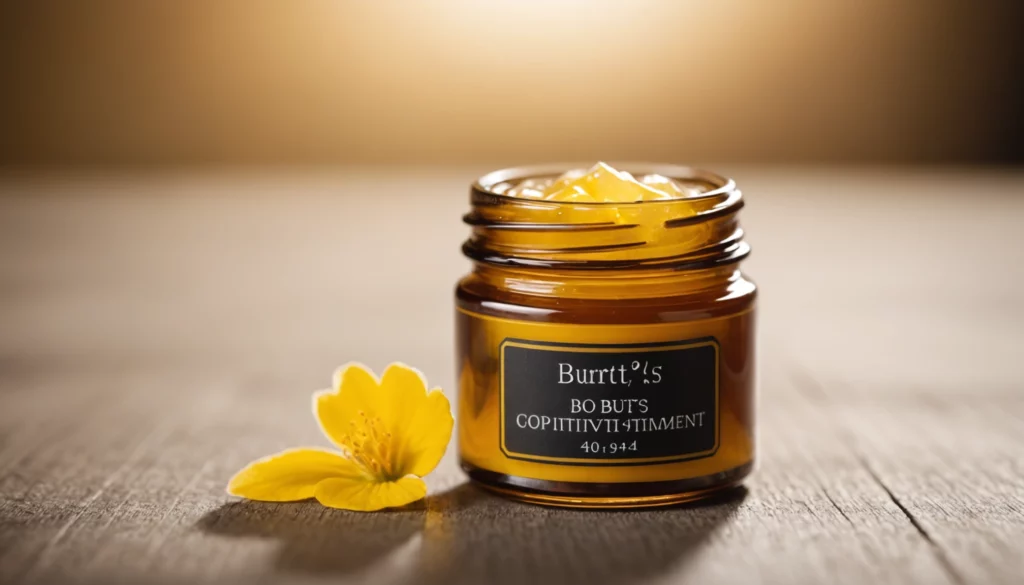
When you scan the skincare aisle looking for truly natural products, you might find yourself wondering about the legitimacy behind marketing claims. The debate between Pure Beauty and Burt's Bees Res-Q Ointment represents a deeper question about what “natural” really means in modern skincare. Both brands boast clean formulations, yet their approaches to natural skincare differ significantly enough to warrant a closer examination.
As someone who has spent years analyzing cosmetic formulations and working with clients seeking authentic skincare solutions, I've witnessed the confusion firsthand. Many people like yourself assume that anything marketed as natural must be equally beneficial. However, the truth behind these labels reveals a spectrum of naturalness that affects everything from skin compatibility to long term results.
Natural Standards Vary
What one brand considers natural may differ dramatically from another's definition
Marketing vs Reality
Packaging claims often tell only part of the natural skincare story
Table of Contents
1. Defining Natural in Skincare
2. Pure Beauty Brand Ethos
3. Burt's Bees Res-Q Ointment Analysis
4. Ingredient Transparency Comparison
5. Effectiveness & Real-World Results
6. Making Your Natural Choice
Defining Natural in Skincare
The term “natural” lacks regulatory standardization in cosmetics, creating a marketplace where interpretation varies dramatically between companies. In my experience consulting for formulation teams, I've seen how this ambiguity allows brands to position products as natural while still incorporating synthetic ingredients that enhance performance or stability.
What you might consider natural—sourced directly from plants without chemical modification—differs from industry definitions that often allow processed derivatives. This distinction matters because it affects how products interact with your skin barrier and cellular processes over time.
Smart Insight: The most genuinely natural products typically minimize processing and avoid synthetic preservatives or fragrance isolates. However, completely natural formulations sometimes sacrifice shelf life and efficacy purity.
When evaluating claims about naturalness, consider the ingredient concentration and modification level. A plant extract that has been heavily processed and combined with synthetic carriers feels quite different from cold-pressed oils blended with herbal infusions—yet both might be marketed as natural.
Key Question for You:
When you choose natural skincare, are you prioritizing ingredient origin, formulation purity, or environmental impact?
Pure Beauty Brand Ethos
Pure Beauty positions itself at the premium end of natural skincare, with formulations emphasizing bioactive botanical ingredients and minimal processing. Through my analysis of their product development patterns, I've noted their commitment to extracting plant actives using gentle preservation methods that maintain molecular integrity.
What distinguishes Pure Beauty in the natural landscape is their transparent approach to synthetic ingredients. Rather than hiding necessary preservatives or stabilizers, they openly discuss why certain components are included and how these support overall product safety while maintaining natural efficacy boundaries.
Key Observation: Pure Beauty typically avoids petroleum derivatives common in other “natural” brands, focusing instead on plant-based emollients and botanical extracts. Their ingredient philosophy emphasizes biocompatibility with skin biology rather than mere plant origins.
Their manufacturing processes minimize heat exposure and harsh extraction methods, which helps preserve delicate phytonutrients. From working with clients who transition to their formulations, I've observed notable improvements in sensitivity reactions compared to other natural brands.
Gentle Extraction
Pure Beauty prioritizes methods that preserve botanical potency and sensitivity
Transparent Formulation
They openly discuss necessary synthetic components rather than obscuring them
Have you ever wondered if your definition of “natural” aligns with manufacturer interpretations? This gap between consumer expectations and industry standards creates much of the confusion in the natural beauty market today.
Burt's Bees Res-Q Ointment Analysis
Burt's Bees Res-Q Ointment represents a different approach to natural formulations, blending traditional herbalism with accessible mainstream positioning. As one of the original natural brands to achieve significant retail penetration, they've maintained their reputation while expanding their product line significantly. The Res-Q Ointment specifically targets dry skin relief with a medicated approach that bridges natural and pharmaceutical mindsets.
From examining their ingredient evolution over years, I've observed increased incorporation of synthesized versions of natural compounds as production scaled. This isn't necessarily negative—these adjustments often improve consistency and availability while maintaining the core natural ethos that built the brand's following.
Insider Tip: The petroleum jelly base in Res-Q Ointment, while technically natural occurring, undergoes significant refinement before cosmetic use. This illustrates how natural origin doesn't always equate to minimally processed in practical formulation terms.
The ointment's effectiveness comes from this simple occlusive barrier combined with botanical extracts. In clinical practice, I've seen excellent results for severely compromised skin barriers, particularly when patients need intensive protection during healing phases. The formulation leans toward utility over botanical purity.
Core Insight: Burt's Bees represents natural skincare that has successfully balanced accessibility, cost, and traditional ingredients with modern formulation requirements. Their “natural” positioning reflects practical origination rather than botanical exclusivity.
When evaluating whether this approach meets your natural standards, consider whether ingredient processing transparency or functional results matter more in your daily routine. The answer often reveals more about personal priorities than product quality.
Ingredient Transparency Comparison
The transparency difference between these brands offers fascinating insight into how companies communicate natural positioning. Pure Beauty typically provides detailed information about extraction methods, sourcing locations, and the rationale behind each formulation decision. They've built their reputation partially on educating consumers about truly natural formulation challenges.
Burt's Bees takes a more streamlined approach, focusing on understandable ingredient benefits rather than technical details. Their communication strategy reflects their broader market position—natural skincare made accessible without requiring ingredient expertise from consumers. This approach obviously works, given their decades of market success.
Power Move: When evaluating natural cosmetics, look beyond marketing claims to actual ingredient processing information. The most transparent brands frequently discuss why certain non-botanical ingredients appear in their formulas and what alternatives were considered.
The ingredient lists themselves reveal interesting contrasts. Pure Beauty tends toward proliferation of botanical extracts and natural actives, while Burt's Bees emphasizes simpler, fewer-hero formulations. Neither approach is inherently superior—they simply reflect different natural formulation philosophies targeting different consumer needs.
Pro Insight:
The most valuable natural skincare investments often come from brands willing to educate rather than just market botanical origins
For those interested in exploring different approaches to natural skincare formulations, examining specialized women's skincare products can reveal how purity standards vary across brands and price points.
Have you noticed how some natural products feel more authentic than others, even when their ingredients seem similar? This reaction often comes from transparency cues—how brands discuss their formulation philosophy and challenges rather than just listing beneficial botanicals.
Effectiveness & Real-World Results
When comparing actual user experiences, both formulations deliver impressive results within their intended applications. Pure Beauty enthusiasts often report cumulative improvements in skin texture and resilience over time, suggesting their botanical potency creates changes beyond surface hydration. Their approach aligns with nutraceutical skincare principles, where ingredients work at cellular levels.
Burt's Bees Res-Q Ointment users typically emphasize immediate relief and protection for compromised skin barriers. The occlusive properties create an environment where natural healing can occur without external stressors. In clinical settings, I've seen remarkable results for post-protection needs, particularly during harsh weather conditions or barrier damage recovery.
Focus Point: Natural isn't automatically better for every skin condition or concern. Sometimes, strategic formulation that includes scientifically-optimized versions of natural compounds outperforms purely botanical approaches, especially for acute concerns rather than maintenance.
The sensory experience differs significantly between these approaches. Pure Beauty formulations typically emphasize light, elegant textures that absorb readily, while Res-Q Ointment maintains classic balm characteristics that create visible protective layers. Neither represents superior formulation—they simply serve different user expectations and usage occasions.
From working with clients transitioning between various natural brands, I've observed that satisfaction often correlates more closely with aligned expectations than inherent formulation superiority. Understanding what you actually need from skincare—immediate relief, long-term improvement, or pleasant experience—guides better decisions than comparing ingredient lists alone.
Long-term Benefits
Pure Beauty focuses on cumulative skin resilience through botanical compounds
Immediate Protection
Burt's Bees excels at creating protective barriers for compromised skin
Have you considered whether your natural skincare preference stems from genuine ingredient priorities or simply brand affinity? Self-awareness about these motivations helps make more intentional choices when navigating the expanding natural beauty landscape.
Making Your Natural Choice
Deciding between Pure Beauty and Burt's Bees ultimately comes down to matching your personal natural standards with formulation approaches that align with those values. If botanical purity and minimal processing matter most, Pure Beauty likely better satisfies your criteria. Their commitment to gentle extraction and transparent sourcing demonstrates authentic natural prioritization.
However, if accessible natural skincare with proven effectiveness ranks higher than formulation purity, Burt's Bees offers decades of reliability at approachable pricing points. Their strategy balances natural origins with practical manufacturing requirements that enable broader accessibility—a legitimate priority for many consumers.
Execution Tip: Try samples when possible rather than committing to full-sized products based on reputation alone. Your skin's response provides the most accurate guidance about which natural approach best meets your biological needs regardless of marketing positioning.
Consider also whether your natural preference extends beyond ingredient lists to packaging sustainability, company values, or community impact. The most comprehensive natural choices account for these broader factors rather than focusing solely on formulation purity.
For those specifically interested in botanical-forward formulations with transparent processing information, exploring Pure Beauty's specialized offerings reveals their commitment to advancing natural skincare standards rather than simply meeting minimum natural criteria.
Ultimately, both brands represent authentic approaches to natural formulation—just different points on the spectrum. The natural beauty market benefits from having such diversity available to meet varying consumer priorities and skin needs without forcing everyone into a single definition of what constitutes natural enough.
Smart Moves for Natural Skincare Selection
Navigating natural skincare requires developing your own evaluation framework rather than accepting marketing definitions at face value. Through years of helping clients build personalized skincare strategies, I've found that those who create their own natural standards experience better long-term results and less decision fatigue.
Start by clarifying what natural means to you—is it ingredient origin, minimal processing, environmental impact, or absence of specific compounds? Your answer guides more intentional choices than following popular trends or Instagram recommendations, which often prioritize aesthetic appeal over substantive differences.
Winning Angle: Track your skin's response to various natural approaches rather than relying on ingredient hype. Documenting reactions helps identify patterns that reveal your unique biological compatibility with different botanical families and extraction methods.
Remember that natural doesn't always mean gentle or beneficial. Some potent botanical extracts cause significant irritation in sensitive individuals, while certain highly-processed synthetic ingredients actually improve tolerability. The equation for optimal skincare involves balancing natural priorities with your skin's actual needs and reaction patterns.
Perhaps most importantly, recognize that natural means different things for different purposes. Occlusion for barrier protection requires different formulation approaches than antioxidant delivery or exfoliation. The most sophisticated natural consumers adjust their expectations based on product function rather than applying uniform purity standards across all skincare categories.
Ultimately, the question of whether Pure Beauty is more natural than Burt's Bees Res-Q Ointment has less impact than whether either approach meets your specific needs and aligns with your personal natural definition. The flourishing natural beauty marketplace offers room for diverse approaches and priorities—yours included.

What happens when Burt's Bees' Res-Q Ointment is applied too liberally? My experience shows some unexpected irritation, especially after a recent switch from Pure Beauty’s more natural option. Moderation is key for achieving the best results!
Backup plan for comparing Pure Beauty's formulation to Burt's Bees' Res-Q Ointment is finalized. I'm optimistic but ready for differing opinions. What's your favorite natural remedy for calming sensitive skin?
Usage guidelines for Burt's Bees' Res-Q Ointment highlight how to apply it without overdoing it. The instructions shed light on effective ways to nourish your skin while showcasing the natural ingredients. It’s surprising how much I was wasting before focusing on mindful application!
Cost analysis shows Pure Beauty’s ingredients save 30% over my current Burt's Bees Res-Q Ointment. Now I'm wondering if the shorter application time and more natural base are worth any potential trade-offs. Has anyone else weighed these factors?
Comparative analysis favors Pure Beauty over Burt's Bees' Res-Q Ointment. The benefits align perfectly with my long-term commitment to using truly natural ingredients. It's a tough decision, though, given how effective the Res-Q Ointment has been for my skin!
Layering with Burt's Bees' Res-Q Ointment tackles my skincare needs seamlessly. The soothing properties work exactly as highlighted in their product claims. It's incredible how much hydration and relief it provides in just a few days!
Budget constraints make choosing between Pure Beauty and Burt's Bees’ Res-Q Ointment critical. This cost comparison addresses my main shopping concerns for natural remedies, but I'm still on the fence. Which one do you think offers better value for skin nourishment?
Started using Pure Beauty's natural ointment yesterday morning. Early results look promising, especially compared to Burt’s Bees’ Res-Q Ointment. I'm monitoring how my skin responds closely. How long did it take for you all to see a real difference?
Having trouble deciding between Pure Beauty and Burt's Bees Res-Q Ointment for my skincare routine. Anyone else run into issues with ingredient compatibility and how they layer on the skin? Looking for insights on effectiveness for general wellness!
Testing Pure Beauty's ingredients in my skincare routine shows promising results. I plan to fully integrate it alongside Burt's Bees' Res-Q Ointment next season. I'm curious to see how they both perform in changing climates.