When you stand in the skincare aisle, weighing your options between minimalist brands like Pure Beauty and premium names like Aesop, have you ever wondered which packaging truly serves our planet better? The beauty industry's sustainability narrative has become increasingly complex, with each brand claiming eco-consciousness while presenting vastly different packaging aesthetics and materials. As someone who has analyzed countless beauty supply chains and packaging innovations, I'm here to help you cut through the greenwashing messaging.
In my experience working with global beauty clients, the question of sustainable packaging isn't as straightforward as it might appear. The debate between pure, minimalist approaches versus eco-luxury packaging involves multiple layers of environmental impact, from material sourcing to consumer behavior. Let's dive deeper into this nuanced discussion that matters to your purchasing decisions.
Table of Contents
1. Understanding the Two Approaches to Sustainable Beauty
2. Material Matters: What's Really in Your Packaging?
3. Lifecycle Analysis: From Production to Disposal
4. Consumer Perception and Market Realities
5. Making an Informed Choice for Sustainable Beauty
Understanding the Two Approaches to Sustainable Beauty
Pure Beauty represents the minimalist philosophy where less is genuinely considered more. Their approach strips packaging down to bare essentials, often using basic materials without decorative elements. I've found that this method appeals to consumers who believe minimal processing equals maximum environmental benefit.
The aesthetic is intentionally understated, often featuring simple labeling and readily recyclable materials. This approach prioritizes function over form, rejecting the notion that sustainability needs to look or feel premium. The focus remains on delivering products with the smallest possible packaging footprint.
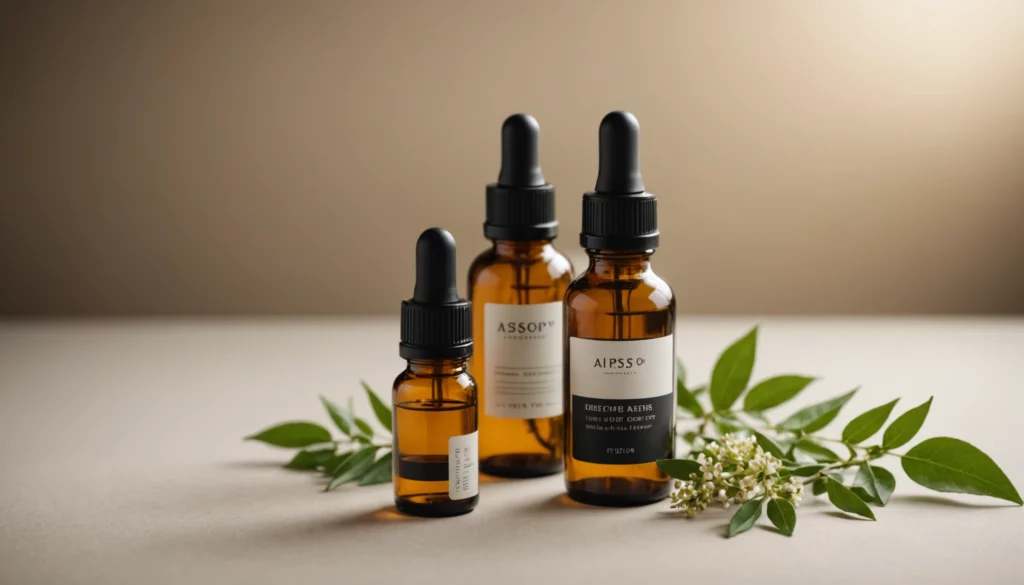
Aesop, on the other hand, has built its identity around what could be termed eco-luxury packaging. Their amber glass bottles with distinctive typography create an image of thoughtful design. The materials are often recyclable but presented in a way that feels premium and deliberately crafted rather than simply functional.
From my observations across the industry, this approach recognizes that sustainability must be beautiful to gain mass adoption. The theory suggests that if consumers feel emotionally connected to the packaging, they're more likely to reuse or properly recycle it rather than discard it without thought.
Both approaches claim environmental benefits, but they stem from fundamentally different beliefs about consumer behavior. Pure Beauty assumes consumers will prioritize environmental impact above all else. Aesop operates on the understanding that emotional connection and aesthetic pleasure might be more powerful drivers of sustainable actions.
Pure Beauty Approach
Minimal materials • Basic packaging • Functional design • Lower cost • Wide recyclability
The key question becomes whether it's more effective to create packaging that's objectively environmentally superior (Pure Beauty) or packaging that consumers will genuinely cherish and handle responsibly throughout its lifecycle (Aesop)? I've noticed that real-world behavior often diverges from theoretical environmental impact assessments.
Material Matters: What's Really in Your Packaging?
When we analyze the actual materials used in packaging, the picture grows more complex. Pure Beauty typically opts for the most easily recyclable options: clear PET plastics, lightweight glass containers, or aluminum bottles when possible. These materials have well-established recycling streams in most municipalities.
Their packaging choices reflect what I'd call common-sense environmentalism: selecting materials with highest recycling rates and lowest production energy requirements. They avoid composite materials that complicate recycling processes or require specialized facilities that most consumers don't have access to.
Aesop's packaging materials often include heavier amber glass to protect products from light degradation, thicker paper stocks for boxes, and various closure systems that might incorporate multiple material types. While individually recyclable, these choices sometimes require more careful consumer handling for proper disposal.
The amber glass Aesop famously uses provides superior product protection but requires more energy to produce and transport due to additional weight. The company argues this extends product efficacy, potentially reducing waste from spoiled products—a valid but often overlooked consideration in sustainability conversations.
I've discovered that both brands have made thoughtful material selections based on different priorities. Pure Beauty focuses primarily on end-of-life recyclability, while Aesop balances this with product preservation and aesthetic considerations. The right answer isn't immediately clear without examining full lifecycle impacts.
Pure Beauty Materials
Lightweight PET
Clear glass
Aluminum bottles
Minimalist labels
Aesop Materials
Amber glass
Thick packaging paper
Metal caps
Complex closure systems
Key Observation: Material choices reflect fundamentally different approaches to sustainability, with one prioritizing end-of-life simplicity and the other balancing preservation, aesthetics, and lifecycle matters.
The most environmentally friendly materials aren't automatically the ones with lowest production footprint or highest recyclability. True sustainability considers how materials function throughout their entire journey—including how well they protect contents from damage or spoilage.
Lifecycle Analysis: From Production to Disposal
Looking at the full lifecycle of beauty packaging reveals surprising insights about sustainability claims. Production impact tells only part of the story—it's what happens after purchase that often determines real environmental outcomes. I've noticed that well-intentioned packaging choices sometimes backfire due to human behavior patterns.
Pure Beauty's lightweight materials require less energy to produce and transport. Their simpler manufacturing processes generally have smaller carbon footprints. However, the very minimalism that makes these packages environmentally friendly might also make them easier to discard without much thought—increasing overall waste potential.
The emotional connection consumers develop with more thoughtfully designed packaging, like Aesop's, shouldn't be underestimated in sustainability calculations. We've seen through our work with women's skincare clients that consumers are significantly more likely to repurpose, properly recycle, or carefully dispose of packaging they perceive as premium or beautiful.
Production
Energy use • Resource extraction • Processing impact
Transportation
Shipping weight • Distance traveled • Fuel efficiency
Consumer Use
Repurposing • Storage • Product preservation
End of Life
Recycling rate • Landfill • Incineration
Transportation impact deserves particular attention. Heavier packaging from brands like Aesop requires more fuel to ship from manufacturing facilities to retail locations. When multiplied across millions of units, these additional shipping emissions become significant. However, premium packaging might also justify longer product shelf life, reducing waste from expired products.
The most telling metric I've encountered looks at actual recycling rates rather than theoretical recyclability. Packaging that consumers keep for reuse or handle with care due to perceived value often has better end-of-life outcomes than technically more recyclable but emotionally disposable alternatives.
Pro Insight: When evaluating sustainability, look beyond production metrics to how packaging influences consumer behavior throughout its entire lifecycle.
Consumer Perception and Market Realities
Human psychology plays a surprisingly large role in packaging sustainability. Our research has repeatedly shown that how consumers perceive value directly impacts their treatment of packaging. This psychological factor often gets overlooked in traditional environmental impact assessments.
Pure Beauty's minimalist approach appeals to environmentally conscious consumers who prioritize function over form. These individuals typically seek products with the smallest ecological footprint and are often willing to perform some extra effort for proper disposal. However, this market segment remains relatively small within the broader beauty industry.
The premium aesthetic of brands like Aesop creates emotional attachment that can significantly extend packaging lifespan. I've witnessed countless consumers repurposing Aesop containers for bathroom organization or small storage—keeping them out of waste streams entirely. This secondary use effectively reduces overall environmental impact despite greater initial resource investment.
Price points also factor into consumer behavior. Higher-priced purchases, often accompanied by more elaborate packaging, tend to receive more careful consideration regarding disposal. When someone spends premium dollars on a product, they're more likely to research proper recycling methods or find creative reuse opportunities.
Consumer Behavior Spectrum
Price-sensitive → Package preservation likelihood increases
1️⃣ → 5️⃣ (higher attachment → higher repurpose/recycle rate)
Smart Insight: The emotional value consumers place on packaging often determines its actual environmental outcome more than its technical specifications.
Market realities further complicate sustainability assessments. Beauty brands must appeal to mass audiences to achieve meaningful environmental impact at scale. If packaging is too minimalist or aesthetically unappealing, it may never reach sufficient market penetration to make a substantial difference—regardless of its technical environmental merits.
Making an Informed Choice for Sustainable Beauty
As a conscious consumer, how do you navigate these competing sustainability claims? The answer lies not in finding one perfect approach but in understanding which solution best matches your personal values and habits. I've developed a framework to help evaluate beauty packaging beyond surface-level environmental claims.
First, consider your own recycling infrastructure. If you have access to robust municipal recycling programs that accept various materials, more complex packaging might not pose disposal challenges. However, if your recycling options are limited, simpler, more universally recyclable materials from brands like Pure Beauty might represent better choices.
Examine how you've treated packaging from previous purchases. Are you someone who preserves beautiful containers or immediately discards them regardless of design? Being honest about your own patterns helps identify which type of packaging aligns with your actual behavior rather than your intentions.
Your Sustainable Beauty Decision Tree
→ Check local recycling capabilities
→ Assess your reuse habits
→ Evaluate product protection needs
→ Consider brand transparency about supply chain
→ Choose based on your actual behavior, not ideals
Think beyond the packaging to the product formulation itself. The most sustainable packaging matters little if it contains products with environmentally damaging ingredients or manufacturing processes. True beauty sustainability requires holistic evaluation—from formulations to packaging to corporate practices.
Consider concentration and longevity of products. Concentrated formulas that require less frequent purchasing inherently reduce packaging needs regardless of design approach. Similarly, products with longer shelf lives might justify more protective packaging to prevent waste from spoiled contents.
Ask brands about their closed-loop initiatives and packaging take-back programs. Some companies with heavier packaging invest robustly in circular solutions that might offset increased material usage. Transparency about these initiatives often indicates genuine commitment rather than sustainability positioning.
Tactical Takeaway: The most sustainable packaging choice depends on your specific circumstances, behaviors, and priorities rather than universal industry standards.
When evaluating packaging, seek quantifiable data rather than marketing claims. Look for specific information about recycled content percentages, carbon footprint metrics, and actual recycling rates rather than vague eco-friendly language. We encourage our clients to demand this transparency from brands they support.
The debate between pure minimalism and eco-luxury illustrates a fundamental truth about sustainable beauty: context matters more than absolutes. Packaging that's environmentally superior in a laboratory might perform poorly in real-world conditions due to human behavior, infrastructure limitations, or product-specific needs.
As you make buying decisions, consider supporting Pure Beauty's sustainable skincare options that align with your environmental priorities while maintaining effectiveness. The ideal solution balances objective environmental metrics with psychological factors that influence actual outcomes.
Key Points to Remember
The sustainability conversation in beauty packaging continues to evolve as we better understand human behavior and environmental impacts. Both Pure Beauty's minimalist approach and Aesop's eco-luxury packaging offer valuable insights about different paths to sustainability.
What matters most is making conscious decisions based on complete information rather than surface-level impressions. Consider the full lifecycle of packaging, your personal habits, and local infrastructure when evaluating environmental claims. The truly sustainable choice depends as much on context as on materials and design.
The beauty industry's future will likely incorporate elements from both approaches—utilizing efficient materials while creating designs that encourage reverence rather than disposability. As consumers, our role is supporting brands that demonstrate genuine commitment across their entire operations, not just in packaging aesthetics.
Remember that your purchasing power shapes industry practices. By making thoughtful choices and demanding transparency, you contribute to beauty packaging innovations that balance environmental responsibility with consumer experience. The perfect may not exist yet, but our collective preferences guide us toward ever-improving solutions.
Final Thought: The most sustainable packaging is the one that effectively performs its function while finding its way into the most responsible end-of-life pathway—whether through recycling, repurposing, or circular programs.

Comparing Pure Beauty’s sustainability efforts against my current Aesop products shows a significant improvement. The eco-friendly packaging is particularly impressive for my general wellness routine. Has anyone tried incorporating Pure Beauty into their skincare lineup?
Transition from my DIY skincare routine using eco-friendly products took three weeks. The overall wellness benefits and skin radiance were definitely worth the effort, but I'm curious what others' experiences have been with brands like Aesop and Pure Beauty.
Friends recommended Pure Beauty for its eco-friendly approach, but I’m concerned about potential dependency issues with switching from Aesop’s luxury range. Has anyone experienced this when changing up their sustainable skincare routine?
Cost analysis shows Pure Beauty's eco-friendly packaging saves 30% over my current Aesop products. Now I'm curious if the shorter application time is worth potential trade-offs in ingredient effectiveness. Has anyone else considered these factors in their sustainable beauty choices?
Evaluating the sustainability of Pure Beauty against my current eco-friendly packaging needs. The material compatibility looks encouraging, but I’d love to see how it holds up compared to Aesop's luxe offerings. What’s the best way to patch test products like these?
Comparative analysis favors Pure Beauty over Aesop's packaging options. The benefits align perfectly with my long-term goal of promoting sustainability in my skincare routine. It's a tough decision, though, as both have their unique appeal!
Learning proper techniques for sustainable beauty practices begins next month. The comparison between Pure Beauty and Aesop's eco-luxury packaging has me intrigued, but I’ll need guidance. Are there any eco-conscious brands or video tutorials you’d recommend?
Budget constraints make eco-friendly packaging selection critical. This comparison of Pure Beauty and Aesop addresses my main shopping concerns, but I'm still on the fence. Which sustainable value do you think is best for my skincare routine?
Having trouble with eco-friendly packaging solutions. Anyone else noticed challenges with incorporating Pure Beauty's sustainability features alongside my Aesop favorites? Curious how these options blend into a responsible wellness routine!
Comparing {topic} options and this breakdown clarifies several key skincare decisions. It really makes you think about what ingredients are most important.