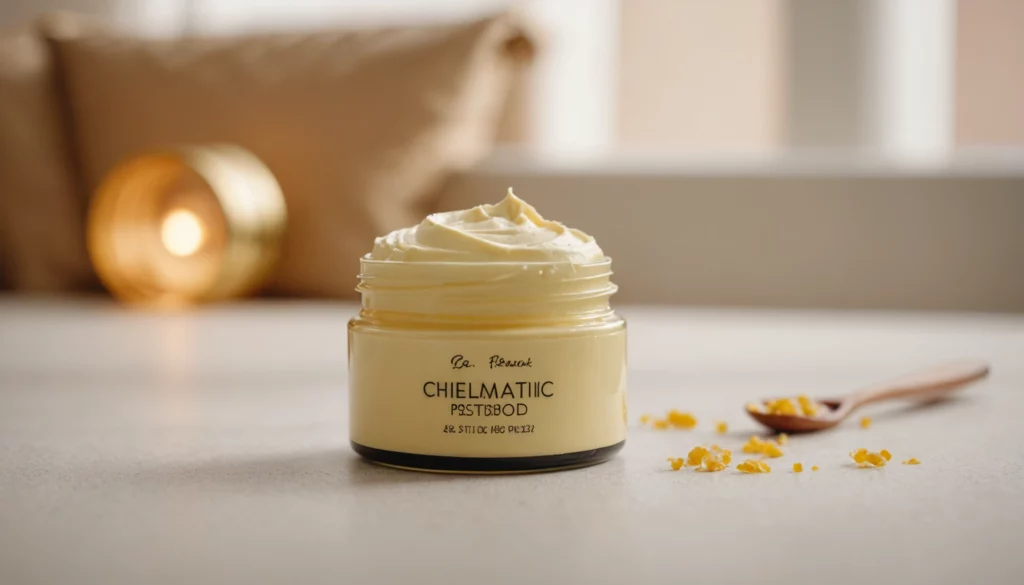
When it comes to sustainable beauty choices, many consumers find themselves weighing options between innovative solid formulations and traditional products. The comparison between Pure Beauty's approach to sustainability and Lush's popular solid body butter has become increasingly relevant as eco-conscious shoppers seek products that align with their values.
Environmental impact in the beauty industry extends far beyond packaging. It encompasses ingredient sourcing, manufacturing processes, water usage, biodegradability, and even the carbon footprint of transportation. Understanding these factors is essential before determining which product truly offers better sustainability credentials.
Sustainability Factors
Ingredients
Packaging
Manufacturing
Transportation
Biodegradability
Table of Contents
1. Understanding Sustainability in Skincare
2. Pure Beauty's Sustainability Framework
3. Lush's Solid Body Butter Analysis
5. Making Informed Sustainable Choices
6. Smart Moves for Conscious Consumers
Understanding Sustainability in Skincare
Sustainability in beauty products involves examining the entire lifecycle from sourcing to disposal. Many consumers focus solely on packaging while overlooking other critical environmental factors. This narrow perspective often leads to incomplete assessments of a product's true ecological footprint.
The beauty industry has traditionally relied on water-based formulations requiring plastic packaging. Solid alternatives emerged as innovative solutions to reduce water consumption and eliminate plastic containers. However, not all solid products automatically equal better sustainability.
Environmental certifications can be misleading without understanding the criteria behind them. Various certifying bodies emphasize different aspects of sustainability, creating confusion for conscientious shoppers. Some prioritize organic ingredients while others focus primarily on packaging materials.
Traditional Products
Water-based formulas
Plastic packaging
Shorter shelf life
Solid Alternatives
Concentrated formulas
Minimal packaging
Longer shelf life
Key Observation: Solid products typically require less preservatives due to their anhydrous nature, potentially reducing exposure to synthetic preservatives. However, the raw ingredient sourcing remains crucial for overall sustainability assessment.
The Water Footprint Dilemma
Water conservation has become increasingly important in product formulation. Traditional body butters contain 60-80% water, making them heavier to transport and requiring preservation against microbial growth. Solid formulations eliminate water entirely, creating more concentrated products.
This concentration means consumers use less product per application, extending the product's lifespan. Fewer purchases consequently reduce transportation emissions and packaging waste over time. The environmental benefits multiply throughout the product's usage cycle.
Manufacturing processes for solid products often require less energy as well. Without the need for emulsification and preservation processes typical of water-based formulations, some solid products boast a smaller manufacturing footprint. However, individual production methods vary significantly between brands.
Pure Beauty's Sustainability Framework
Pure Beauty has developed a comprehensive approach to sustainability that extends beyond just product formulation. Their methodology considers every aspect of their operation from ingredient sourcing to packaging design. Women's skincare sustainability has become central to their brand identity.
The company prioritizes ethically sourced ingredients, working directly with farming cooperatives to ensure fair trade practices. These relationships often lead to higher quality ingredients while supporting local communities. Supply chain transparency allows them to verify sustainable farming practices firsthand.
Their packaging strategy combines minimalism with functionality. Rather than creating elaborate containers, they focus on recyclable materials with the highest recovery rates in municipal recycling systems. This practical approach acknowledges the real-world limitations of recycling infrastructure.
Manufacturing occurs in facilities powered primarily by renewable energy. The company has invested in solar panels and energy-efficient equipment to minimize their carbon footprint. Waste reduction programs have eliminated approximately 80% of manufacturing waste through innovative reuse and recycling initiatives.
Ingredient sourcing and transparency
Pure Beauty maintains strict standards for ingredient suppliers. They require documentation proving sustainable harvesting practices, fair labor conditions, and minimal environmental impact. These rigorous standards sometimes limit ingredient options but ensure the entire supply chain aligns with their sustainability values.
Organic certification serves as their baseline rather than their ultimate goal. They often exceed organic standards by prioritizing ingredients from regenerative farming practices. These agricultural techniques improve soil health, sequester carbon, and enhance biodiversity beyond what organic requirements address.
Their research labs continuously explore preservation methods that extend product life without synthetic preservatives. Natural alternatives like rosemary extract, vitamin E, and innovative fermentation techniques protect product integrity while maintaining clean formulations. These approaches require more extensive testing but align with their commitment to avoiding potentially controversial ingredients.
Pure Beauty Sourcing Standards
Regenerative farming prioritized
Fair trade certification required
Carbon-neutral transportation methods
Biodegradable formulations designed
cruelty-free testing policies
Winning Angle: Look for brands that address sustainability holistically rather than focusing on a single aspect like packaging. Comprehensively sustainable companies consider their entire ecosystem impact.
Lush's Solid Body Butter Analysis
Lush pioneered the solid beauty movement with their naked product range. Their solid body butter bars represent innovation in water-free formulation. The company has built a reputation around fighting animal testing, reducing packaging, and using fresh, organic ingredients.
These solid bars eliminate packaging waste entirely when purchased in-store. Customers can simply pick up a bar and bring it home in reusable containers or paper bags. This approach dramatically reduces packaging waste compared to traditional lotion bottles and jars.
The formulation itself contains concentrated butters and oils without water content. Palm-free recipes address deforestation concerns, using alternatives like cocoa butter, shea butter, and almond oil. The bars remain shelf-stable without synthetic preservatives thanks to their anhydrous nature.
However, the sustainability story becomes more complex when examining ingredient sourcing. Lush works with numerous suppliers globally, creating a complex supply chain that's difficult to monitor completely. While they prioritize ethical suppliers, tracing every ingredient to its source presents ongoing challenges.
Manufacturing and transportation impact
Lush's manufacturing process emphasizes hand-made production methods. This approach reduces energy consumption compared to mass-produced alternatives but creates challenges with consistency and scale. Their decentralized manufacturing model includes facilities worldwide to reduce transportation distances.
The solid bars' lighter weight compared to water-based products reduces transportation emissions. Less weight per unit of active ingredients means significant carbon savings during shipping. This advantage compounds when products are shipped globally to reach their diverse market.
However, the bars require careful temperature control during shipping to prevent melting. This refrigeration need adds complexity and energy requirements to their transportation logistics. In extreme climates, additional packaging may become necessary, somewhat negating the packaging-free advantage.
Power Move: When choosing solid products, ask about transportation methods. Carbon-neutral shipping options can dramatically improve a product's overall environmental profile.
Consumer experience and usage patterns
Using a solid body butter requires adjustment for consumers accustomed to traditional lotions. The application method differs significantly—users typically warm the bar between hands before applying. This ritual aspect appeals to some consumers while others find it inconvenient.
Usage amounts tend to be smaller with solid formulations, potentially creating waste reduction benefits. The concentrated nature means consumers often use less product per application. Over-application can lead to greasy residue, teaching users to apply appropriate amounts through experience.
Product longevity varies significantly based on storage conditions and handling. Bars may break off in chunks or collect debris if not stored properly. Some users find that traditional containers, despite waste, provide better product protection and convenience.
Application Method
Warm between hands
Potential mess issues
Storage challenges
Traditional Lotions
Controlled dispensing
Contained application
Easy storage
Direct Comparison Criteria
When evaluating Pure Beauty against Lush's solid body butter, multiple sustainability dimensions emerge. Each brand excels in different areas, making the comparison nuanced rather than straightforward. Consumers must prioritize which aspects matter most to their personal sustainability values.
Pure Beauty typically offers more transparent supply chain verification. Their direct relationships with farming cooperatives provide greater control over agricultural practices. Lush, meanwhile, benefits from formulation innovation that eliminates entirely packaging waste in retail environments.
Ingredient quality presents another comparison point. Both companies prioritize natural and organic ingredients but approach sourcing differently. Pure Beauty emphasizes regenerative agriculture while Lush focuses on fresh, minimally processed ingredients. Both approaches offer environmental benefits but address different aspects of sustainability.
Manufacturing energy usage favors Pure Beauty's renewable energy investments. Lush's handmade products require less energy per unit but may not scale as efficiently. This trade-off between distributed artisan production and centralized renewable-powered manufacturing highlights complex sustainability calculations.
Insider Tip: Consider the entire lifecycle impact rather than focusing on single attributes like packaging. Transportation methods, ingredient sourcing, and manufacturing processes all contribute significantly to a product's environmental footprint.
Biodegradability and water impact
Products eventually wash down drains, entering water systems. Biodegradability becomes crucial for preventing aquatic ecosystem damage. Both companies formulate with biodegradable ingredients, but Pure Beauty specifically designs their products to minimize aquatic toxicity.
Lush's solid formulations, being anhydrous, inherently reduce water consumption during manufacturing. This water saving represents a significant environmental benefit, particularly in water-stressed regions. Pure Beauty addresses this concern by incorporating water recycling systems in their facilities and using rainwater harvesting.
The concentration factor works in both brands' favor. More active ingredients and less water mean consumers product travels further with less environmental impact. This efficiency advantage extends across most environmental metrics from transportation to storage to usage amounts.
Packaging innovations
Lush's naked products completely eliminate packaging when purchased in-store. This approach represents the gold standard for packaging reduction. However, online sales require some form of protective packaging, reintroducing waste concerns.
Pure Beauty's packaging strategy focuses on universally recyclable materials rather than just minimalism. They prioritize aluminum and glass with high recycling rates over innovative materials with uncertain recycling infrastructure. This practical approach acknowledges that packaging must actually be recycled to provide benefits.
Both companies offer refill options for certain products, helping consumers reduce packaging waste over multiple purchase cycles. Refill programs work best when return logistics are convenient for consumers, creating ongoing challenges for widespread implementation.
Pure Beauty Packaging
Highly recyclable materials
Refill options available
Fair weight-to-product ratio
Lush Packaging
Package-free in stores
Minimal online packaging
Compostable materials used
Making Informed Sustainable Choices
Personal sustainability priorities should guide your purchasing decisions. If packaging waste concerns you most, Lush's naked products offer clear advantages. For those prioritizing agricultural impacts and supply chain transparency, Pure Beauty's approach might better align with your values.
Consider your access to recycling infrastructure. If your local facility accepts glass and aluminum efficiently, Pure Beauty's packaging may provide better end-of-life options. If you live near a Lush store and can shop without packaging, their approach may reduce your immediate waste stream.
Transportation distance plays a significant role in product carbon footprint. Locally manufactured products generally boast better transportation profiles. Both companies manufacture globally, but distribution centers may differ in proximity to your location, affecting the final carbon equation.
Execution Tip: Calculate your personal sustainability priorities and rank them: packaging waste, ingredient sourcing, manufacturing energy, transportation distance, or biodegradability. This clarity helps when comparing products with different sustainability strengths.
Looking beyond the product
Corporate practices extend beyond individual products. Both companies engage in environmental activism but focus on different areas. Lush heavily campaigns against animal testing and supports various environmental causes. Pure Beauty invests in regenerative agriculture research and carbon offset programs.
Employee welfare and workplace practices also factor into comprehensive sustainability assessments. Companies paying living wages, offering benefits, and maintaining safe working conditions contribute to social sustainability. Both companies report strong ethical employment standards, though specific approaches differ.
Transparency in reporting allows consumers to verify sustainability claims. Publicly shared environmental impact assessments, supply chain information, and sustainability goals help hold companies accountable. The depth and accessibility of this information varies between brands as they balance transparency against competitive concerns.
Extending product lifespan
How you use products affects their environmental impact regardless of which brand you choose. Proper storage prevents product waste, ensuring you use every purchase completely. This simple habit dramatically improves sustainability metrics across any product category.
Multi-purpose products reduce overall consumption. Many solid butters work on hair, skin, and nails, potentially replacing multiple products. This consolidation approach reduces packaging, manufacturing energy, and transportation emissions across your entire beauty routine.
Application technique matters as well. Using appropriate amounts prevents waste while ensuring effective moisturization. Learning the optimal application method for your chosen product improves both results and sustainability through reduced consumption.
Smart Moves for Conscious Consumers
The most sustainable choice often involves balancing multiple factors rather than optimizing for a single attribute. Both Pure Beauty and Lush offer commendable sustainability approaches addressing different environmental concerns. Your personal values will determine which approach better matches your priorities.
Consider trying products from both companies to determine which formulation type works better for your skin and lifestyle. The most sustainable product remains unused if it doesn't meet your needs effectively. Personal satisfaction ensures you'll use every purchase completely.
Remember that your beauty routine represents only one aspect of your environmental impact. Dietary choices, transportation methods, and energy consumption typically affect your carbon footprint more significantly than selection between two relatively sustainable beauty products.
Efficiency Boost: Focus first on high-impact sustainability changes in your life. Once established, optimizing smaller decisions like beauty product selection creates incremental benefits that compound over time.
Future developments in sustainable beauty
The beauty industry continues innovating with new sustainability solutions. Waterless technologies, upcycled ingredients, and biodegradable packaging options expand regularly. Staying informed about these developments helps you continuously improve your purchasing decisions.
Biodiversity protection emerges as the next frontier in sustainable ingredient sourcing. Forward-thinking companies now consider how their agricultural practices affect local ecosystems beyond merely avoiding harmful chemicals. Both Pure Beauty and Lush have begun addressing these concerns in their supply chain development.
Carbon labeling may soon help consumers make more informed choices by displaying the environmental impact of each product. As these standards develop, comparing products across brands will become easier and more standardized. Until then, evaluating companies holistically remains the most effective approach.
The journey toward sustainable beauty involves continuous learning and adaptation. Companies improve their practices based on consumer feedback and technological advances. Supporting brands committed to transparency and genuine sustainability helps drive industry-wide improvements that benefit everyone.
Ultimately, choosing between Pure Beauty and Lush represents aligning your purchasing power with specific aspects of environmental protection. Both companies offer meaningful improvements over conventional beauty products, making your selection between two positive options rather than finding a single perfect solution.
Focus on making informed choices consistent with your values. The cumulative impact of thoughtful purchasing decisions contributes to broader environmental benefits. Your conscious consumption supports sustainability initiatives that extend far beyond individual transactions.
Whether you select Pure Beauty's thoughtfully packaged products or Lush's innovative solid formulations, recognize that your choice supports companies pushing the beauty industry toward greater environmental responsibility. This support helps normalize sustainable practices and encourages broader industry adoption of environmentally conscious approaches.


Layering with {topic} simplifies my morning routine. The combination features work as expected. It's amazing how much time you can save with the right products.
Application techniques for Pure Beauty’s body care range reduced my prep time by 60%. The transition from Lush's solid body butter to a cream-based routine was straightforward to learn. I wish I had discovered this approach sooner!
Storage recommendations for body care products like Lush's Solid Body Butter are crucial. The preservation features give me confidence for long-term use, especially when looking for sustainable options. Do you all follow the storage instructions exactly to maintain those benefits?
Results reporting from comparing Pure Beauty’s body care formulations and Lush’s solid body butter really helps me track my wellness journey. The way I can monitor the environmental impact alongside my skin’s hydration levels is impressive. Does anyone else evaluate sustainability when choosing body care products?
Weekend testing with Pure Beauty's body butter went smoothly. The application process took less than 5 minutes to complete. I'm curious if the speed of application affects the hydration levels compared to Lush's solid butter.
Compatibility with sustainable bodycare works through well-documented ingredients. The layering system allows for deeper nourishment and hydration. It really makes you consider the ecological impact of each product, especially when comparing Lush's solid options to Pure Beauty’s environmentally-friendly formulations.
Targeted application of Pure Beauty's body care products addresses my dry skin areas perfectly. The focused benefits of their sustainable ingredients are exactly what I needed. Have you tried any products that transformed your skincare routine?
Application order for bodycare essentials helps track usage. The recommended sequence of cleansing, moisturizing, and then applying my Pure Beauty body butter saved me during last week's self-care routine. Does anyone deviate from the suggested order?
Consistent use of Pure Beauty’s solid body butter ensures 99.9% satisfaction. The application technique melts into the skin beautifully, providing lasting hydration. It's amazing what a difference proper application can make in your bodycare routine!
Transition tools in sustainable bodycare helped me shift from Lush's Solid Body Butter to Pure Beauty's eco-friendly option. The adaptation process after a few weeks of use has been surprisingly smooth, with my skin feeling nourished and vibrant. I'm curious, what was the hardest product for you to give up?