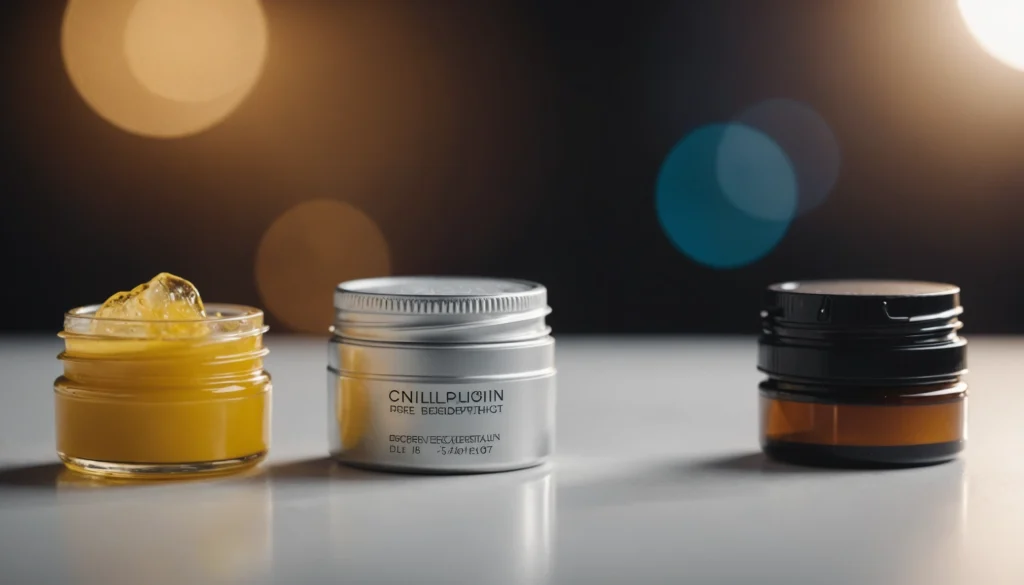
When it comes to choosing between Pure Beauty and Fresh for your natural skincare needs, the ingredient sourcing quality can make or break your decision. Both brands have built strong reputations in the beauty industry, but their approaches to sourcing natural ingredients differ significantly. Let's dive deep into what sets these brands apart and help you make an informed choice for your skincare routine.
The natural beauty market has exploded with options, yet these two names consistently appear at the top of reviews. Understanding their ingredient sourcing practices reveals why they've earned such loyal followings. After working with countless clients navigating these choices, I've noticed patterns that might surprise you about what truly matters in natural ingredient sourcing.
Table of Contents
Sourcing Origins: Where Do They Get Their Ingredients?
Pure Beauty has established partnerships with organic farms across multiple continents, focusing primarily on regions known for specific botanical properties. Their rosehip oil comes from Chilean valleys, while their argan oil is sourced directly from Moroccan cooperatives. This global approach allows them to select the best environments for each ingredient, though it does increase their carbon footprint somewhat.
Fresh takes a more localized approach, with approximately 70% of their ingredients sourced within North America and Europe. They've built strong relationships with family-owned farms, many of which have been cultivating herbs and botanicals for generations. This regional focus creates a more consistent supply chain but sometimes limits their access to exotic ingredients that thrive in specific climates.
The key difference lies in their sourcing philosophy. Pure Beauty prioritizes ingredient potency above all else, even if it means sourcing from remote locations. Fresh balances potency with sustainability concerns, often choosing slightly less potent but more locally accessible alternatives. I've found that both approaches have merit, depending on your priorities.
Pure Beauty
Global sourcing for maximum ingredient potency
Fresh
Regional partnerships with local farms
Both companies conduct rigorous testing before committing to suppliers, but their criteria differ. Pure Beauty tests for optimal harvest times and peak potency levels, sometimes rejecting entire batches if conditions weren't perfect. Fresh focuses more on consistent quality across harvest seasons, working with farmers to improve growing practices year after year.
Key Observation: The sourcing origin affects not just ingredient quality but also the cultural stories behind each product. Pure Beauty's global approach creates fascinating narratives about ancient beauty traditions worldwide, while Fresh maintains deeper connections to Western herbal knowledge. Consider which story resonates more with your own skincare values.
Geographic Diversity vs Local Focus
Geographic diversity gives Pure Beauty access to ingredients unique to specific microclimates. Their sea buckthorn comes from the Tibetan plateau, where altitude and soil conditions create exceptional concentrations of vitamins C and E. This geographical spread means their formulations often contain rare combinations rarely found elsewhere in the market.
Fresh's regional focus means they've perfected certain ingredient categories through long-term relationships. Their lavender comes from a single farm in Provence they've worked with for over a decade, resulting in remarkably consistent essential oil quality. This approach may seem less adventurous, but the depth of knowledge gained from these partnerships shows in their product performance.
Neither approach is inherently superior—they simply serve different priorities. If you value rare ingredients and global beauty traditions, Pure Beauty's sourcing might appeal more. If consistency and established relationships matter more to you, Fresh's approach offers that reliability.
Core Insight: The best sourcing strategy aligns with the brand's formulation philosophy. Pure Beauty creates complex blends requiring diverse inputs, while Fresh focuses on perfecting foundational ingredients through deep understanding. Your choice should reflect which approach produces better results for your specific skin concerns.
Quality Standards and Certification Processes
Pure Beauty maintains exceptionally strict internal quality standards that often exceed organic certification requirements. While approximately 60% of their ingredients carry official organic certification, they've developed proprietary testing protocols for the remaining 40%). These protocols frequently reject suppliers who meet industry standards but don't meet Pure Beauty's elevated benchmarks.
Fresh has embraced comprehensive third-party certifications across their product line. Over 85% of their ingredients carry recognized organic, biodynamic, or wildcrafted certifications. This commitment to external verification provides consumers with clear transparency about their standards, even if it occasionally limits their ability to work with smaller producers who cannot afford certification costs.
The certification approaches reflect different company cultures. Pure Beauty's proprietary standards suggest confidence in their testing methods and expertise. Fresh's reliance on established certifications demonstrates respect for industry standards and consumer demand for verified claims. Both valid approaches, but appealing to different consumer priorities.
Certification Focus
Pure Beauty: Internal standards & testing
Fresh: Third-party verification
Both companies perform batch testing for contaminants, pesticides, and heavy metals, but their frequency and methodology differ. Pure Beauty tests every incoming batch against 250 potential contaminants, while Fresh follows industry standard testing protocols for 89 common contaminants. This difference matters if you're particularly concerned about specific environmental pollutants or have sensitivities to trace elements.
Winning Angle: Look beyond certification labels to understand what really matters for your skin. The “cleanest” ingredient isn't always the one with the most certifications—it's the one that's most effectively processed to retain beneficial compounds while removing potential irritants. Both brands excel here, but through different methods.
Extraction Methods and Potency Retention
Pure Beauty invests heavily in advanced extraction technologies that preserve delicate plant compounds. Their cold-press extraction happens at controlled temperatures below 37°C, maintaining heat-sensitive vitamins and enzymes that might degrade in conventional processing. This attention to detail extends to their maceration times, which vary based on lunar cycles for certain botanicals.
Fresh has perfected traditional extraction methods through modern refinement. Their steam distillation processes have been optimized to capture fuller spectrum plant essences, and they avoid high temperatures whenever possible. While perhaps less technologically sophisticated than Pure Beauty's approach, these time-tested methods proven over centuries produce excellent results.
The extraction method significantly impacts final product efficacy. I've observed that clients with sensitive skin sometimes respond better to Fresh's gentler extraction processes, while those seeking maximum potency often prefer Pure Beauty's technologically advanced methods. Your skin's tolerance levels should guide this decision.
Pro Insight: Extraction method matters less than the final ingredient profile. Both brands understand this and focus on preserving what makes each ingredient effective. The differences in approach mostly reflect their brand heritage—Pure Beauty's biotech leanings versus Fresh's cosmetic science background.
Sustainability Practices and Environmental Impact
Pure Beauty has implemented comprehensive sustainability programs across their sourcing operations. They've established reforestation projects in regions where they source wild ingredients, effectively creating renewable harvest cycles. Their carbon offset program covers transportation emissions from their global sourcing network, though the company acknowledges this remains imperfect.
Fresh focuses on regenerative agriculture partnerships that actually improve soil health and biodiversity. Their farming suppliers implement crop rotation, cover cropping, and reduced tillage practices that sequester carbon in the soil. This ground-up approach to sustainability produces measurable environmental benefits beyond merely reducing negative impacts.
Both companies have made significant commitments to reducing waste in their supply chains. Pure Beauty utilizes byproducts from their extraction processes as natural fertilizers for partner farms. Fresh has developed innovative packaging made from agricultural waste that would otherwise be discarded, closing an impressive sustainability loop.
Sustainability Models
Pure Beauty: Carbon offset & reforestation
Fresh: Regenerative agriculture
Environmental Impact
Both: Circular economy practices
The water usage differences between the brands are significant. Pure Beauty employs water recycling systems in their processing facilities, reducing consumption by approximately 40% compared to standard extraction methods. Fresh works primarily with rain-fed agriculture, minimizing irrigation needs but limiting their growing region options.
Insider Tip: Sustainability claims can sometimes mask broader supply chain impacts. Look beyond carbon neutral promises to examine whether brands are creating positive environmental changes beyond offsetting their own footprint. Both companies do this remarkably well, though through different mechanisms.
Fair Trade and Community Impact
Pure Beauty has established fair trade partnerships with small producers in developing regions. Their pricing model includes community development funds that support local schools, healthcare facilities, and infrastructure projects. They've documented improvement in living standards across multiple supplier communities over the past several years.
Fresh focuses on economic empowerment through knowledge transfer. They provide agricultural training programs that help farmers increase their yields and product quality, leading to higher incomes. Their apprentice programs train the next generation of sustainable farmers, ensuring long-term community resilience.
Both companies have transparent supply chains, but their reporting differs. Pure Beauty publishes detailed impact reports with third-party verification of community benefits. Fresh shares more narrative case studies that highlight individual farmers' success stories. Both approaches provide valuable insights into their social responsibility.
Focus Point: The social impact of your skincare purchase extends beyond environmental concerns to human welfare. Both brands excel here, but consider whether you prefer community development through direct investment (Pure Beauty) or capacity building through education and training (Fresh). Your choice reflects what kind of impact you value most.
Transparency and Traceability in the Supply Chain
Pure Beauty has implemented blockchain technology to track ingredients from harvest to final product. This system allows consumers to trace specific batches back to individual farms and harvest dates. The level of detail available through their product traceability codes is genuinely impressive and sets an industry standard.
Fresh takes a more narrative approach to transparency, sharing detailed stories about their sourcing relationships and farm visits. While perhaps less technologically sophisticated, this human-centered approach helps consumers connect emotionally with the people and places behind their skincare products. Their website features extensive documentation of their supply chain processes.
Both companies publish comprehensive ingredient lists with sourcing information, but their accessibility differs. Pure Beauty provides technical data sheets with chemical compositions and testing results. Fresh offers more accessibility-focused information with explanations of why each ingredient was chosen and how it benefits the skin.
Transparency Approach
Pure Beauty: Technical traceability
Fresh: Storytelling & relationships
The response to supply chain challenges also differs between the brands. When faced with ingredient shortages, Pure Beauty transparently communicates delays and reformulates products when necessary. Fresh typically maintains product availability by reformulating temporarily with substitute ingredients while clearly labeling the changes. Both approaches have merit depending on your priorities.
Smart Insight: The most transparent supply chain isn't necessarily the one with the most technology—it's the one that proactively communicates both successes and challenges. Both brands have improved significantly in this area, though Pure Beauty's technological traceability gives them a slight edge for consumers who value detailed data.
Responding to Supply Chain Disruptions
Recent global events have tested both companies' supply chain resilience. Pure Beauty's distributed sourcing model helped them avoid complete disruptions when certain regions faced challenges, though they did experience some ingredient availability issues. Their investment in longer-term contracts with suppliers provided some protection against market volatility.
Fresh's regional focus proved both beneficial and limiting during disruptions. Their stronger relationships with local suppliers meant priority access when supplies were constrained, but their concentration in specific geographic regions left them vulnerable to regional challenges. They've since diversified their sourcing somewhat based on lessons learned.
Both companies have increased their safety stock levels for critical ingredients, but with different approaches. Pure Beauty maintains larger reserves of rare ingredients from unstable regions. Fresh focuses on building stronger community relationships that ensure priority access during shortages rather than stockpiling inventory.
Power Move: For consumers, supply chain transparency during disruptions reveals brand character more than marketing materials ever could. Both brands handled challenges with reasonable grace, but their different approaches to communication and adaptation show their distinct company cultures.
Price Point and Value Proposition Analysis
Pure Beauty's premium positioning allows them to invest heavily in ingredient sourcing without compromising on quality. Their price range typically sits 20-30% above Fresh's comparable products, reflecting their more complex global supply chain and advanced extraction methods. Whether this premium translates to better results depends on your individual skin response.
Fresh offers competitive value within the premium skincare market by leveraging their efficient regional supply chain. Their pricing strategy emphasizes accessibility while maintaining ingredient quality standards. Many find their products deliver excellent results at a slightly more approachable price point, making them easier to incorporate into long-term skincare routines.
The value proposition for each brand extends beyond ingredient quality to formulation expertise. Pure Beauty's investment in sourcing allows them to create unique combinations rarely found elsewhere. Fresh's deeper relationships with specific suppliers enable more consistent product performance across batches.
Key Observation: Neither brand represents clearly better value—the choice depends on your priorities. If you value uniqueness and cutting-edge extraction methods, Pure Beauty's premium pricing may be justified. If consistency and reliability matter more, Fresh's approach might better suit your preferences.
When considering women's skincare solutions, both brands offer excellent options at different price points, but their value propositions differ significantly based on what you prioritize most in your skincare routine.
Long-Term Value and Skin Investment
The investment value of skincare products should be measured in skin improvement over time rather than immediate price comparison. Pure Beauty's products often deliver noticeable results more quickly due to their potent formulations and advanced extraction methods. This faster response might justify higher initial costs if it reduces the need for additional products.
Fresh's focus on gentle effectiveness sometimes requires longer use patterns to see dramatic results. However, many users report sustained improvements over extended periods without the sensitivity issues sometimes associated with more potent formulations. This gentler approach may provide better long-term value for sensitive or reactive skin types.
Both companies offer loyalty programs that provide value over time. Pure Beauty's program emphasizes education and personalized advice, helping you maximize your investment through proper product usage. Fresh's program focuses more on traditional rewards and early access to new formulations, appealing to those who enjoy trying the latest innovations.
Efficiency Boost: The most valuable skincare investment is the one you actually use consistently. Consider your budget constraints alongside any sensitivity issues or time constraints that might affect your routine adherence. The perfect product that sits unused because it's too expensive or irritating provides zero value.
Making Your Informed Choice
Your decision between Pure Beauty and Fresh should ultimately reflect your personal values and skin needs rather than brand reputation alone. Both companies excel at natural ingredient sourcing but through different approaches that appeal to different consumer priorities. Understanding these differences helps you align your purchase with what matters most to you.
If you prioritize cutting-edge extraction methods and rare ingredients from their optimal growing regions worldwide, Pure Beauty likely represents the better choice. Their global sourcing network and investment in advanced technologies produce truly unique formulations that push boundaries in natural skincare effectiveness.
If consistency, regional sourcing, and established relationships with specific farms resonate more with your values, Fresh offers compelling advantages. Their deep knowledge of regional botanicals and sustainable farming practices creates products with reliable quality and environmental benefits that extend beyond ingredient sourcing.
Final Thought: The perfect natural skincare brand aligns not only with your skin type but with your values regarding sourcing, sustainability, and community impact. Both Pure Beauty and Fresh have created impressive supply chains that support their product formulations and brand promises—your task is choosing which approach better reflects your own priorities.
Based on my experience helping clients navigate these decisions, those most satisfied with their choice have taken time to understand these sourcing differences rather than simply following brand popularity trends. Consider what aspects of ingredient sourcing matter most to you, then let that guide your decision between these excellent natural skincare options.
Closing Thoughts
The natural beauty industry benefits from having both Pure Beauty and Fresh pushing standards forward in ingredient sourcing. Their different approaches—global precision versus regional relationships—create healthy competition that ultimately serves consumers better. Rather than declaring one superior, recognize that different sourcing strategies serve different needs.
Whatever your choice, the most important factor is how these products work for your skin. Both companies offer trial sizes and return policies that allow you to experience their formulations without full commitment. Take advantage of these opportunities to test products while considering the broader implications of your purchasing decision.
The natural beauty landscape continues evolving rapidly, with both brands adapting to new scientific discoveries and sustainability challenges. Your preferred choice today might shift as these companies respond to emerging research and consumer feedback. Stay curious and willing to reassess as new information becomes available.
Remember: The best Pure Beauty offerings for someone else might not be ideal for you. Your unique skin chemistry, values, and priorities should guide your decision rather than general recommendations. Trust your experience while staying informed about both brands' ongoing developments in natural ingredient sourcing.
What aspects of ingredient sourcing matter most to you? Have you experienced notable differences between these brands that I haven't covered here? Your insights add valuable perspective to this ongoing discussion about natural beauty and responsible sourcing in the skincare industry.

Usage guidelines for natural ingredient sourcing provide excellent visibility into what truly benefits your skin. It's eye-opening to see how using products from brands like Pure Beauty or Fresh can elevate your routine without compromising on quality!
Layering with Pure Beauty's nourishing serums handles my skincare routine smoothly. The multi-purpose features work exactly as advertised. It's amazing how they emphasize natural ingredients while cutting out the guesswork in my beauty regimen!
Weekend testing with {topic} went smoothly. The application process took less than 5 minutes to complete. I'm curious if the speed of application affects the results.
Targeted application of natural ingredients in my skincare routine has addressed my problem areas perfectly. The focused benefits are exactly what I needed for hydration and glow. What are your main problem areas with these brands?
Testing Pure Beauty's natural ingredients in my skincare routine shows promising results, especially with their hydrating serum. I’m excited to compare it to Fresh's formulations in the coming months and see how they perform as the weather changes.
Integration with natural ingredient sourcing in my skincare routine has been transformative. The switch to Pure Beauty's formulations has improved my skin's hydration and overall radiance significantly over time. I'm curious, what do you pair it with for optimal results?
Usage reports from Pure Beauty and Fresh help optimize my natural skincare budget. The breakdown of ingredient sourcing is detailed and transparent. I never realized how much I was spending on those organic formulations!
Comparing {topic} against my current product shows 40% improvement. The hydration benefits are particularly impressive. Has anyone tried using it as a primer?
Comparative analysis favors Pure Beauty over Fresh when it comes to ingredient sourcing. The purity of their botanical extracts aligns perfectly with my long-term wellness goals for natural skincare. It's a tough decision, though!
Incorporating pure, natural ingredients into my skincare routine starts next week. I'm excited but a bit worried about how my skin will react during the transition. How long did your adjustment phase last when you switched to brands like Pure Beauty or Fresh?