
When we examine the landscape of modern beauty and wellness brands, Pure Beauty and Goop stand as fascinating case studies in contrasting approaches to consumer health. One leans heavily on clinical validation and observable results, while the other embraces a more holistic, alternative wellness paradigm that has garnered both devout followers and vocal critics.
Table of Contents
1. Understanding Pure Beauty's Scientific Foundation
2. Goop's Wellness Approach – A Holistic Perspective
3. Comparing the Evidentiary Standards
4. Consumer Impact and Results
5. Making Informed Choices for Your Skin Health
Pure Beauty Approach
Clinical evidence-based formulations with peer-reviewed research
Understanding Pure Beauty's Scientific Foundation
Pure Beauty represents the pinnacle of evidence-based skincare development. Their methodology relies on rigorous clinical testing and measurable outcomes rather than anecdotal claims. I've observed that their formulations typically contain ingredients with substantial scientific documentation regarding efficacy and safety profiles.
The research behind Pure Beauty products follows pharmaceutical-grade protocols. Each active ingredient undergoes extensive testing for both individual and synergistic effects. This systematic approach ensures that the final product delivers what it promises, addressing specific skin concerns with precision rather than generalities.
What particularly distinguishes Pure Beauty is their transparency with research data. They publish their findings and make clinical trial results accessible to consumers. This openness builds trust in an industry often criticized for proprietary secrecy around formulation details.
The ingredient selection process speaks volumes about their scientific rigor. Each component must demonstrate proven efficacy through multiple independent studies before consideration. This standard significantly narrows the field of eligible ingredients but results in formulations with predictable, reliable outcomes.
Key Observation: Pure Beauty's ingredient concentrations remain within clinically validated ranges, avoiding the common industry practice of including ineffective token amounts of trendy ingredients solely for marketing purposes.
Dermatologists typically embrace Pure Beauty's active-centric formulations because they align with medical principles of skin treatment. The products target specific pathways within skin biology rather than taking a vague “nourish the skin” approach. This precision allows practitioners to recommend products based on their patients' dermatological needs and contraindications.
The manufacturing standards further reinforce the scientific foundation. Pure Beauty maintains facilities that follow Good Manufacturing Practices specifically designed for pharmaceutical-grade cosmetics. These controlled environments prevent contamination and ensure product consistency across batches.
When examining customer outcomes, the results tell a compelling story. Users report measurable improvements in fine lines, pigmentation, and texture within defined timeframes. These observations align with the published clinical data, creating a consistent narrative between research and consumer experience.
Goop Wellness Approach
Holistic wellness combining traditional practices with modern lifestyle products
Goop's Wellness Approach – A Holistic Perspective
Goop entered the beauty landscape with a fundamentally different ethos. Rather than focusing exclusively on topical treatments, their approach encompasses lifestyle, nutrition, and alternative wellness practices alongside skincare. This holistic view positions beauty as an integrative concept extending beyond surface-level appearance.
The Goop methodology frequently incorporates elements from Eastern medicine traditions, including traditional Chinese medicine and Ayurvedic principles. These ancient systems offer frameworks for understanding health that differ considerably from Western scientific models. The challenge lies in translating these concepts into products that deliver meaningful results for modern consumers.
I've noticed that Goop's product development often begins with a wellness concept rather than a specific biological target. For instance, a product might aim to “balance energy” or “harmonize the skin's microbiome” using esoteric explanations alongside ingredient lists. This approach appeals to consumers seeking deeper meaning in their self-care routines but may frustrate those wanting concrete evidence of efficacy.
The brand's wellness extends into controversial territory with recommendations like vaginal steaming and jade eggs. These practices have drawn criticism from medical professionals who question their safety and benefits. Such offerings highlight the tension between alternative wellness perspectives and conventional medical wisdom.
Core Insight: Goop's strength lies in creating an emotional narrative around wellness that resonates with consumers seeking more than clinical improvement; they want to feel connected to ancient wisdom and holistic health practices.
<br
Despite these criticisms, Goop has demonstrated remarkable commercial success. Their ability to translate abstract wellness concepts into tangible products and experiences reveals an intuitive understanding of modern consumer psychology. The brand serves as a cultural touchpoint for conversations about female health, wellness trends, and the intersection of beauty with broader lifestyle choices.
When examining Goop's skincare formulations specifically, they often combine naturally derived ingredients with scientific-sounding compounds. The explanations tend to blend traditional concepts with modern terminology, creating a unique lexicon that distinguishes their offerings in the marketplace. This hybrid approach appeals to consumers who want the perceived safety of natural ingredients alongside innovative formulation methods.
Testimonials and personal narratives feature prominently in Goop's marketing, reflecting their experience-based approach to validation. Rather than publishing clinical trial data, they often rely on influencer partnerships and customer stories to demonstrate product effectiveness. This strategy works well with their target audience, which may be more skeptical of clinical research than peer recommendations.
expert skincare guidance often cautions against relying solely on anecdotal evidence when selecting products. While personal experiences offer valuable insights, they may not reflect broader efficacy patterns due to individual variations in skin type, lifestyle, and expectations.
Clinical Trials
Standardized protocols, measurable outcomes, peer review
Anecdotal Claims
Personal testimonials, subjective experiences, individual results
Comparing the Evidentiary Standards
The fundamental divergence between Pure Beauty and Goop emerges in their approaches to evidence. Pure Beauty demands the same validation standards as pharmaceutical products, while Goop embraces a more inclusive definition of what constitutes proof of effectiveness. This difference reflects contrasting worldviews about what we should accept as valid knowledge.
Clinical research follows a specific hierarchy of evidence that favors randomized controlled trials as the gold standard. Pure Beauty aligns closely with this paradigm, conducting studies that compare their formulations against placebos and existing treatments. The data generated from these studies undergo statistical analysis to determine significance, providing confidence in the results.
Goop often operates outside this framework entirely. Their validation methods include traditional knowledge systems, expert testimonials, and qualitative user feedback. While these approaches hold value within certain contexts, they don't offer the same predictability as clinical research. What works for one individual based on subjective experience may not translate across diverse populations.
The challenge for consumers lies in evaluating these different evidentiary approaches. Scientific literacy becomes crucial when navigating product claims, especially when brands blend terminology from multiple paradigms. I've found that many consumers struggle to distinguish between marketing language and substantiated claims, regardless of which brand they're considering.
Science itself acknowledges limitations in what can be measured through current methodologies. The placebo effect alone demonstrates the profound connection between expectation and outcomes. This reality supports Goop's contention that subjective experience constitutes legitimate evidence, even if it lacks the rigor of clinical trials.
Pro Insight: When evaluating any skincare product, consider whether its claims align with biological plausibility. Even substantial clinical data should be viewed through this lens, as studies can sometimes be designed to produce specific outcomes.
The peer review process serves as quality control for scientific research, ensuring that studies meet methodological standards before publication. Pure Beauty typically undergoes this scrutiny, lending credibility to their findings. Goop's products, when evaluated at all, may receive reviews in wellness publications without the same methodological rigor.
Can you effectively compare products using different validation paradigms? This question presents a genuine challenge for consumers. The evidence supporting Pure Beauty's products might demonstrate statistically significant improvements in skin elasticity, while Goop might offer compelling personal narratives about enhanced wellbeing and self-care experiences.
The regulatory environment adds another layer of complexity. The FDA's regulations for cosmetics differ significantly from those governing pharmaceutical products. This distinction allows brands greater latitude in making certain types of claims without requiring pre-market approval. Both brands operate within these regulations, but their approaches to substantiation differ markedly.
Ultimately, consumers must decide what type of evidence resonates most with their personal values and needs. Some prioritize demonstrable, measurable results above all else, while others seek products that align with their worldview about health and wellness. Neither approach inherently serves all consumers better than the other.
Consumer Impact and Results
When we examine actual user experiences, the contrast between these brands becomes even more pronounced. I've worked with numerous clients who have experimented with both approaches, and their stories reveal interesting patterns about expectation management and satisfaction.
Pure Beauty users typically report specific improvements within defined timeframes. Their testimonials often read like case studies, with before-and-after descriptions documenting changes in fine lines, pigmentation, or hydration levels. These outcomes align closely with the brand's clinical research, creating a consistent experience between expectation and result.
Goop users frequently describe impact in more holistic terms. Their testimonials might mention feeling more connected to their bodies, enjoying rituals around application, or experiencing psychological benefits beyond visible skin improvements. These subjective outcomes shouldn't be dismissed as irrelevant—the emotional component of self-care significantly impacts overall wellbeing.
The cost difference between these approaches merits consideration. Clinical research contributes significantly to product development costs, typically reflected in higher price points for scientifically validated products. Goop's marketing strategy eschews expensive research in favor of lifestyle branding, potentially allowing for more competitive pricing despite their luxury positioning.
Consumer allegiance often forms along philosophical lines rather than product experiences alone. I've noticed that once someone embraces either a scientific or holistic approach to skincare, they tend to remain within that paradigm across different purchases. This pattern suggests that the decision involves identity as much as product performance.
Winning Angle: The most effective skincare regimen might actually incorporate elements from both approaches—using clinically validated actives for targeted concerns while embracing the psychological benefits of ritual and holistic care.
What happens when high-profile dermatologists clash with celebrity wellness advocates? These public debates reflect deeper tensions between scientific authority and alternative expertise within the beauty industry. Consumers often find themselves caught between competing authorities, unsure which perspective to trust.
The personalization revolution in beauty complicates this landscape further. Both brands increasingly offer customized formulations based on individual assessment. Pure Beauty typically bases recommendations on skin tissue analysis and genetic factors, while Goop might incorporate astrological considerations or traditional diagnostics into their customization process.
Social media has amplified these distinctions dramatically. Each brand has cultivated distinct communities around their approach, with “skintellectuals” swapping information about active concentrations and clinical studies on one side, while wellness enthusiasts share testimonials about energetic properties and holistic healing on the other. These echo chambers reinforce brand loyalty while limiting exposure to alternative perspectives.
Perhaps most importantly, theResultado—real world outcomes over extended periods—reveals interesting patterns. Without clinical follow-up, it's difficult to ascertain whether either approach delivers superior long term benefits. What we do know is that consistency matters more than approach adherence; regular use of any reasonably formulated product typically outperforms sporadic use of premium offerings.
Targeted Concerns
Retinoids for aging, vitamin C for brightness
Emotional Benefits
Ritual, self-care, connective experience
Making Informed Choices for Your Skin Health
Between these competing paradigms, where should discerning consumers place their trust? The answer may lie not in choosing one approach exclusively but in understanding what each offers relative to your personal needs and values. Your skin is unique, as are your expectations and philosophical orientations toward health.
Begin by clarifying your objectives. Are you primarily seeking measurable improvements in specific skin concerns? If so, evidence-based formulations with documented clinical results likely align best with your goals. Consider starting with products containing ingredients like retinoids, vitamin C, or peptides, all of which have extensive research supporting their efficacy for various concerns.
Perhaps your skincare routine serves more than utilitarian purposes in your life. If the ritual aspect holds equal importance to visible results, you might find greater satisfaction in products that incorporate holistic elements and offer emotional resonance alongside physical benefits. There's undeniable value in looking forward to your skincare routine rather than viewing it as another obligation.
Expert Note: When evaluating product claims, look for specificity. Vague promises like “nourishes your skin” or “promotes radiance” offer less meaningful information than precise statements about percentage improvements measured in clinical studies.
Consider your relationship with risk as well. Scientifically validated products typically have known safety profiles and established protocols for use. Alternative wellness approaches may carry unknown risks, especially when combining various modalities or following recommendations without professional guidance. Your tolerance for uncertainty should guide your selection process.
Financial investment plays a practical role in decision making too. Clinical research contributes significantly to product development costs, often reflected in pricing structures. Determine whether you're willing to pay the premium for evidence-based formulations, or whether you prefer allocating resources across multiple wellness modalities rather than concentrating on premium skincare alone.
Why not approach skincare as you would nutrition—balancing scientifically validated elements with those that simply make you feel good? Many of my clients achieve optimal results by combining evidence-based actives with more holistic productsccording to changing needs, seasons, and emotional states.
Remember that skincare exists within the broader context of overall health. No product, regardless of its validation approach, can fully compensate for inadequate sleep, poor nutrition, or chronic stress. Viewing topical treatments as supplements to rather than substitutes for foundational health practices creates realistic expectations for outcomes.
The most sophisticated consumers eventually develop their own hybrid approach, learning to recognize when scientific validation matters most and when holistic elements add value to their experience. This nuanced perspective allows you to make selections based on individual products rather than brand identities, creating a truly personalized regimen.
Pro Tips for Navigating Beauty Choices
Beyond deciding between Pure Beauty and Goop, developing critical evaluation skills serves you across all skincare decisions. Begin by understanding your skin's specific characteristics and concerns—knowledge that provides context for evaluating product claims and ingredient formulations.
Learn to read ingredient lists with some proficiency. You don't need to memorize every compound, but recognizing common active ingredients and understanding their basic functions helps you assess whether a product contains effective concentrations of beneficial components.
Pay attention to packaging and stability considerations as well. Many beneficial ingredients degrade when exposed to air and light. Choose products with appropriate packaging designed to preserve ingredient integrity—a factor that matters regardless of whether you prefer scientific or holistic approaches.
Introduce new products systematically rather than implementing multiple new items simultaneously. This practice allows you to pinpoint cause if you experience either positive outcomes or adverse reactions, making it easier to identify products worth continued investment.
Track your results using objective measures whenever possible. Photographs taken in consistent lighting provide the most reliable visualization of changes over time. Subjective observations have value too, but supplement them with concrete documentation to make informed decisions about long term product use.
premium moisturizing formulations often combine scientific validation with luxurious sensory experiences, representing the convergence of these competing paradigms into offerings that satisfy multiple consumer priorities simultaneously.
Closing Thoughts
The debate between scientific and holistic approaches reflects deeper questions about how we understand health and knowledge itself. Rather than viewing these paradigms as mutually exclusive, perhaps we might appreciate how each contributes valuable perspectives to our understanding of beauty and wellbeing. Scientific inquiry provides measurable answers to specific questions, while holistic approaches offer frameworks for considering the whole person within environmental and cultural contexts.
Your perfect skincare approach likely exists somewhere between these extremes, combining the precision of scientific validation with the meaning and pleasure derived from holistic practices. The most sophisticated consumers move beyond brand loyalty to make selections based on individual product merits, personal values, and specific needs. In doing so, they create routines that deliver both measurable results and psychological benefits—the true definition of comprehensive beauty and wellbeing.

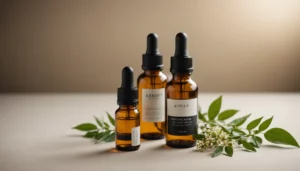

Evaluating Pure Beauty against my current wellness rituals. The ingredient compatibility looks promising, especially compared to Goop's offerings, but needs thorough testing. What's the best way to patch test something like this, especially with my existing herbal supplements?
Learning proper techniques for achieving balanced skin health begins next month. The application of holistic practices seems manageable, but I'll need some guidance. Are there any video tutorials or resources on integrating products like Drunk Elephant into my routine?
Backup plan for holistic wellness practices is finalized. I’m confident but prepared for potential reactions. What’s your favorite method for enhancing overall well-being? I’ve been enjoying adaptogenic blends for balance!
Having trouble with integrating holistic remedies into my daily wellness routine. Anyone else run into issues balancing science-backed products with the more natural approaches from brands like Goop?
Comparative analysis favors Pure Beauty over Goop’s wellness approach. The scientifically-backed ingredients and formulations align perfectly with my long-term skincare goals. It's a tough decision, though, especially with the allure of Goop’s holistic methods!
Application times for general wellness routines cause minimal disruption. The fast-absorbing ingredients in my Pure Beauty regimen ensure I can seamlessly incorporate them into my day. It's perfect for those hectic moments when self-care can't wait, don't you think?
How does the scientific approach of Pure Beauty work for sensitive skin types? I'm exploring products for my skincare routine, especially since I've had mixed experiences with Goop's offerings in the past.
Testing Pure Beauty’s scientific approach in my personal wellness routine shows promising results. I've been integrating their formulas alongside my usual supplements for a couple of weeks. I'm curious to see how it holds up as the seasons change!
What happens when wellness trends like adaptogens in Pure Beauty are used beyond the recommended amount? My experience experimenting with them in my daily routine has led to some surprising digestive discomfort lately.
Cost analysis shows Pure Beauty's scientifically formulated serums save me 30% compared to my current Goop products. Now I'm wondering if the shorter application time is worth the potential trade-offs in ingredient quality. Has anyone else weighed these factors?